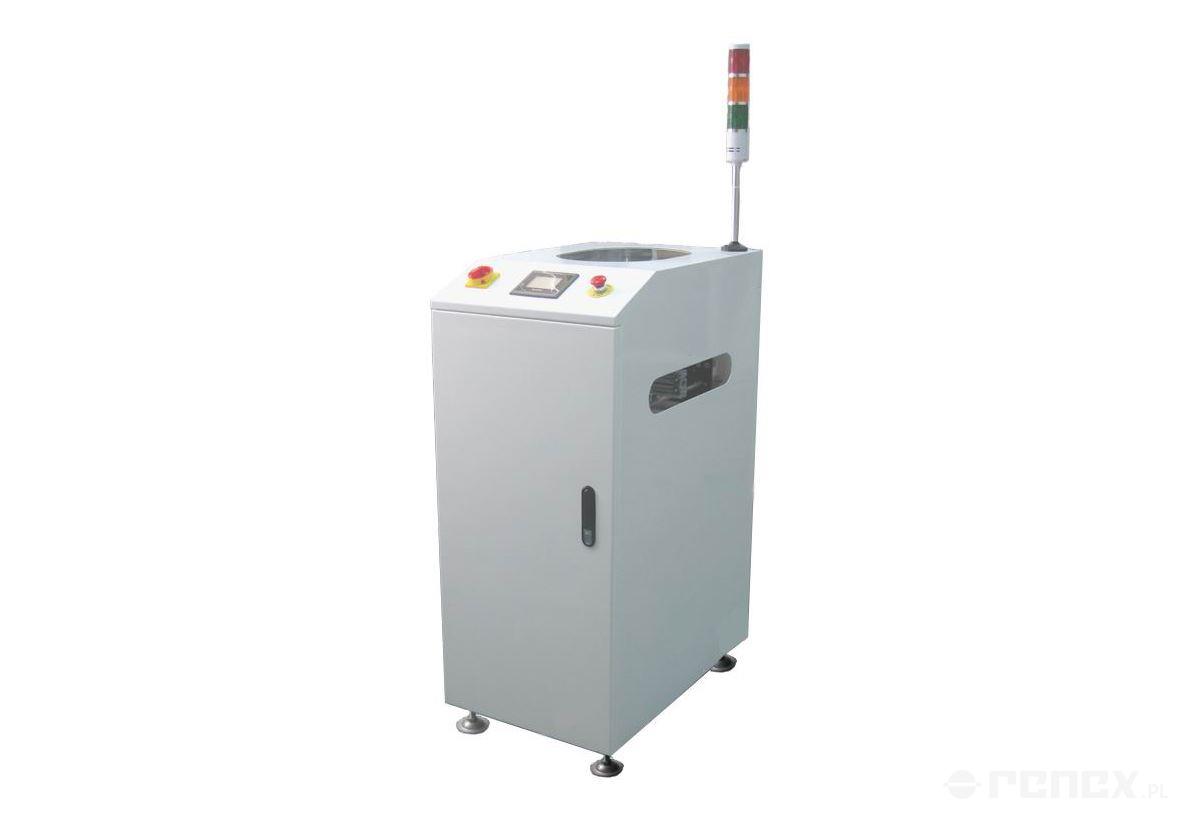
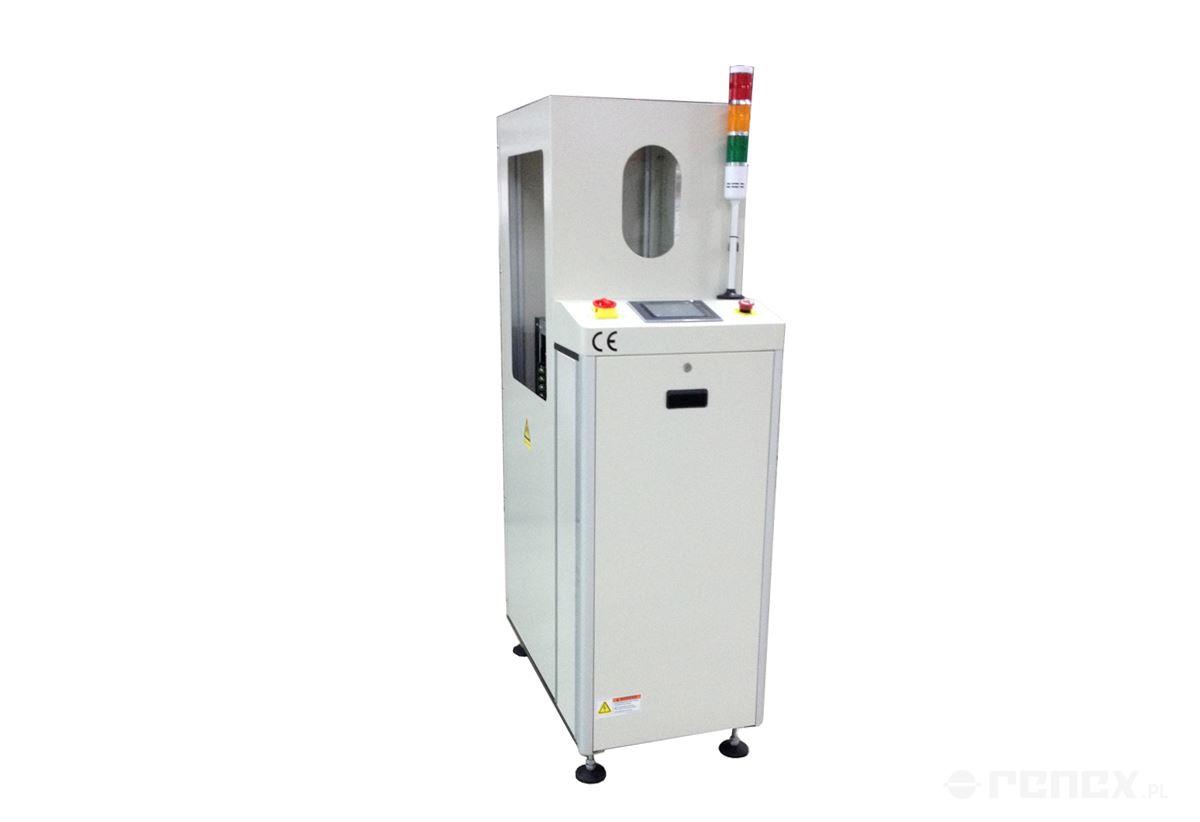
Linear conveyors in production transport systems are devices used for moving products or materials along a defined production path. These systems typically consist of belt or chain-driven transport mechanisms operating in a continuous, controlled direction. Linear conveyors are widely used in industrial manufacturing as they enable automation of material handling processes, increasing efficiency and optimizing production time.
Conveyor systems are usually controlled by integrated software systems, allowing precise adjustment of speed, direction, and flow control. Linear conveyors are used across multiple industries, including automotive, electronics, food processing, and pharmaceuticals. In electronics manufacturing, they are often integrated with industrial robots, inspection systems, buffers, and other automation modules to ensure a continuous and stable production flow.
Key advantages of linear conveyors include improved productivity, enhanced product quality, reduced risk of damage and human error, time and cost savings, and improved workplace ergonomics and safety.
PCB Buffers
PCB buffers are specialized units within production transport systems designed for temporary storage of printed circuit boards during the manufacturing process. Buffers eliminate disruptions in material flow by compensating for differences in processing speeds between various machines on the production line.
These systems store PCBs in a defined sequence, ensuring smooth and controlled release back into the production process. In the event of production interruptions or material supply issues, buffers help maintain workflow continuity by preventing complete line stoppages.
PCB buffers are typically automated and integrated with factory control systems, allowing optimized production planning and reduced downtime. They are particularly beneficial in high-volume electronics manufacturing environments where stable and continuous throughput is critical.
PCB Inverters
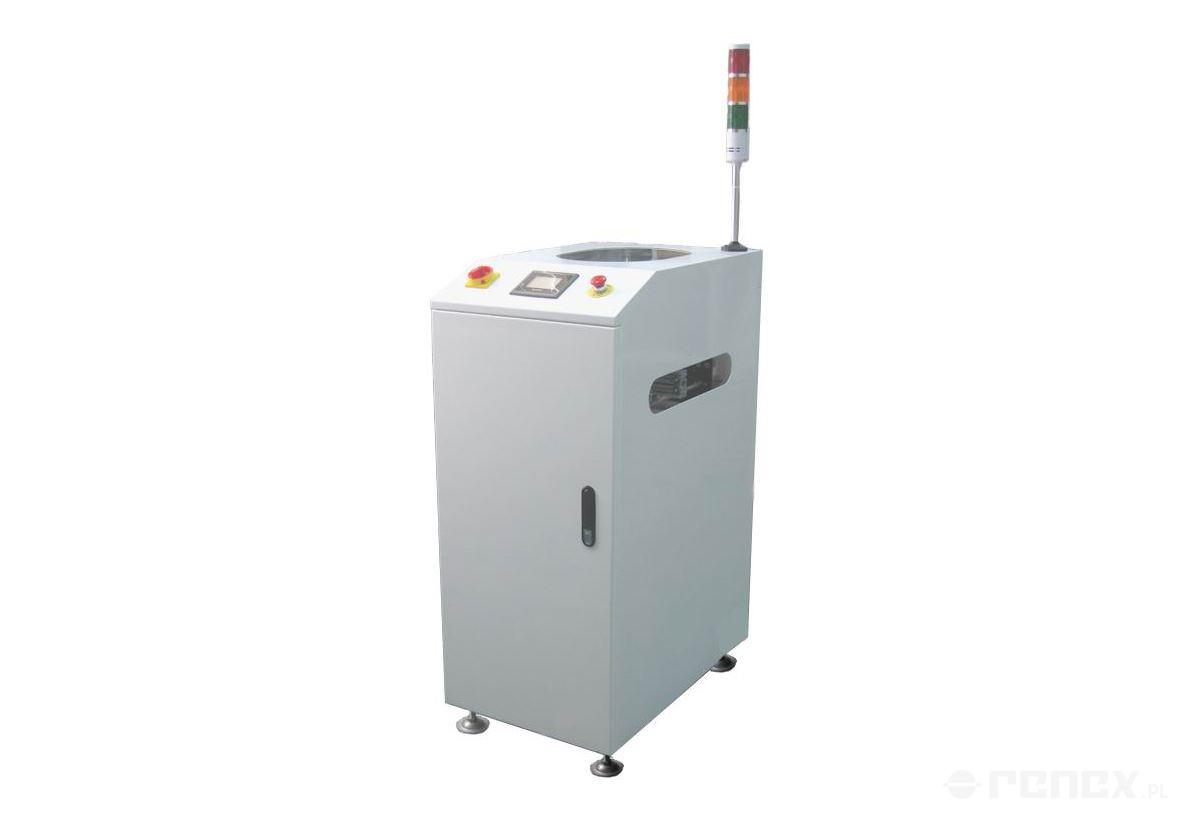
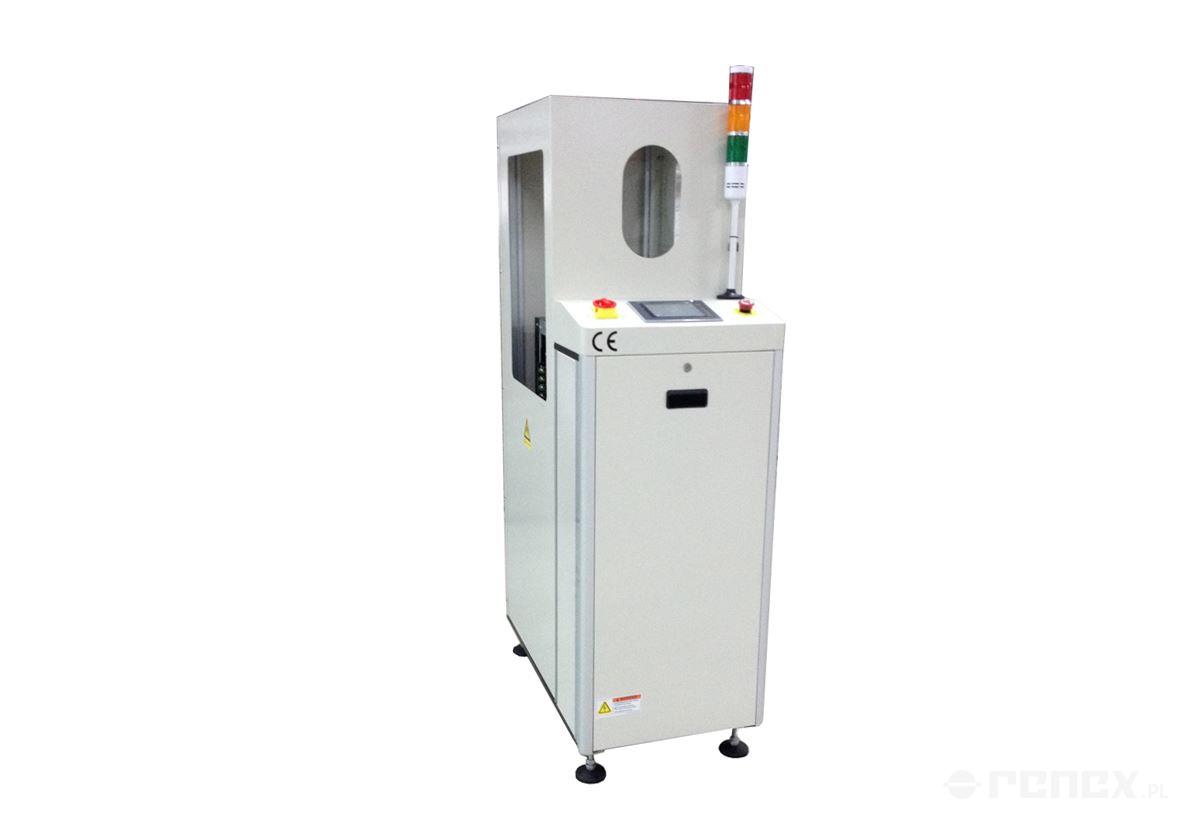
PCB inverters are essential components of automated production lines, designed to flip or rotate printed circuit boards during the manufacturing process. They enable double-sided PCB processing by automatically inverting boards between production stages without manual intervention.
PCB inverters are controlled by integrated production management systems that ensure proper timing and synchronization within the line. By automatically repositioning boards, inverters support continuous flow and reduce handling time while minimizing the risk of mechanical damage.
In automated electronics production, inverters are often installed between process stages such as soldering, inspection, or assembly. Their use ensures production efficiency, reduces material handling errors, and supports consistent, uninterrupted manufacturing operations.