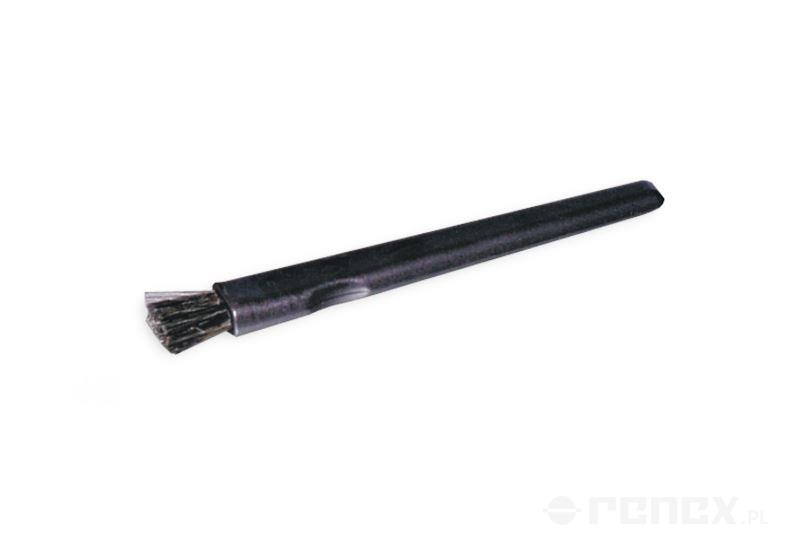
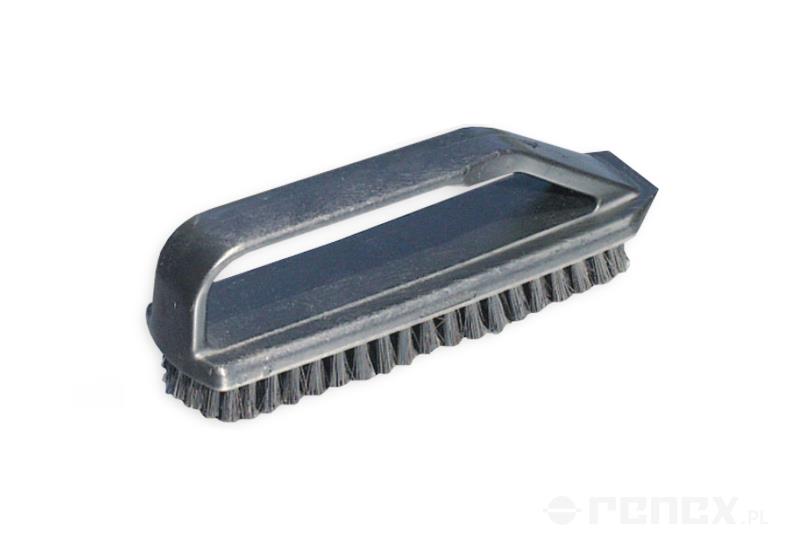
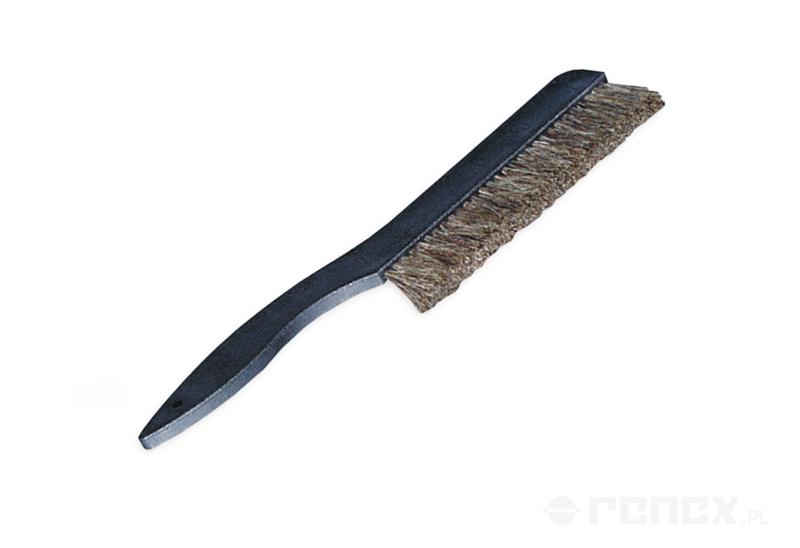
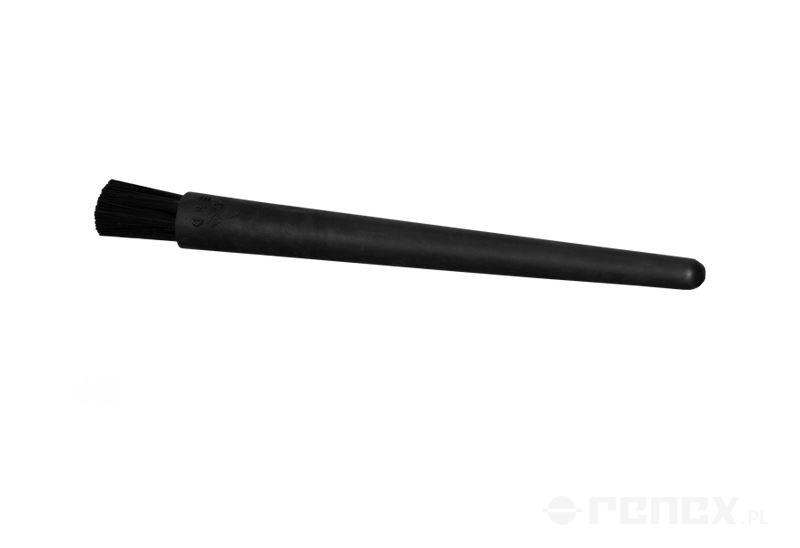
Electronic products such as PCBs are widely used in many types of equipment, including industrial systems, computers and other electronic devices. As expected, the condition of these electronic assemblies can deteriorate over time, especially as a result of exposure to dust, dirt and moisture. These contaminants may accumulate to the point where action is required to prevent irreversible damage to the device. Fortunately, there are several preventive measures that can be taken to protect electronic equipment. One of the methods discussed in this article is the use of cleaning tools such as ESD brushes to reduce component degradation and minimise the risk of ESD damage.
What is an ESD brush?
Within an electrostatic protected area (EPA), products are typically cleaned using a brush or by blowing them off with compressed gas. So what makes an ESD brush different from a standard cleaning brush?
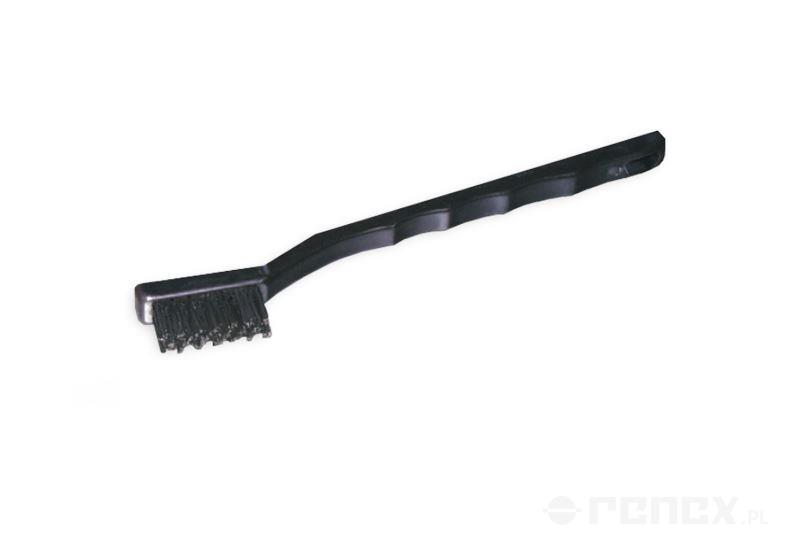
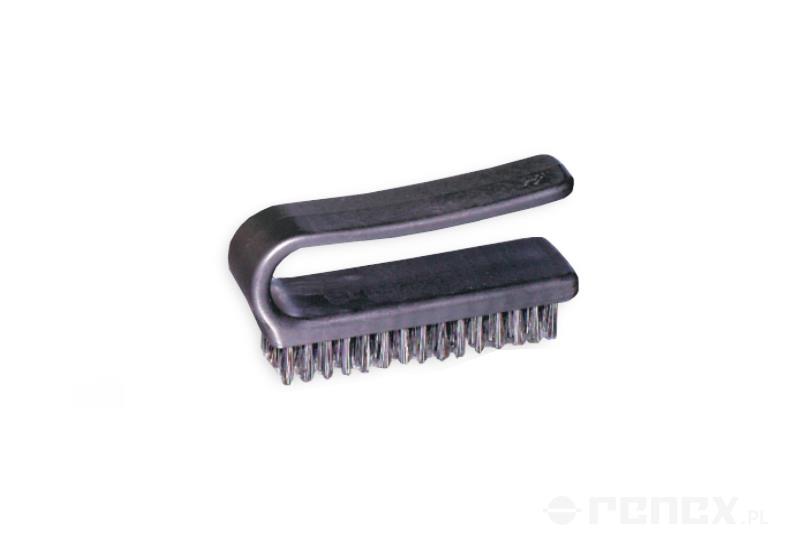
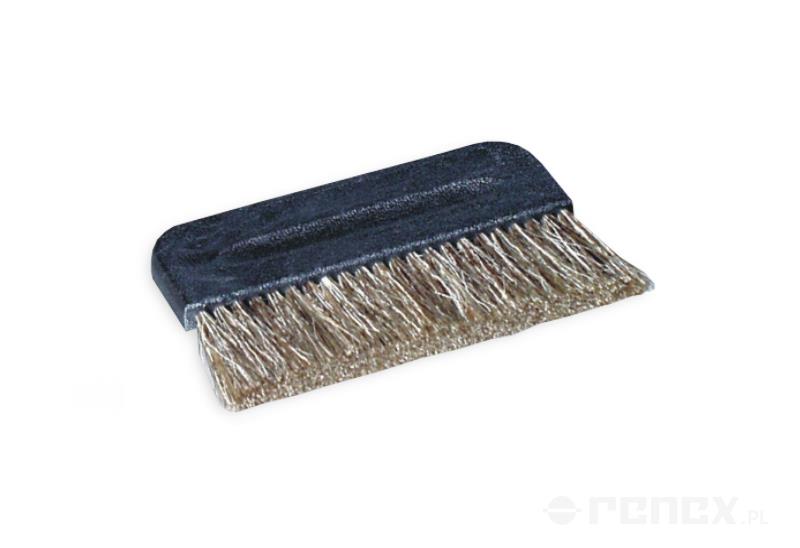
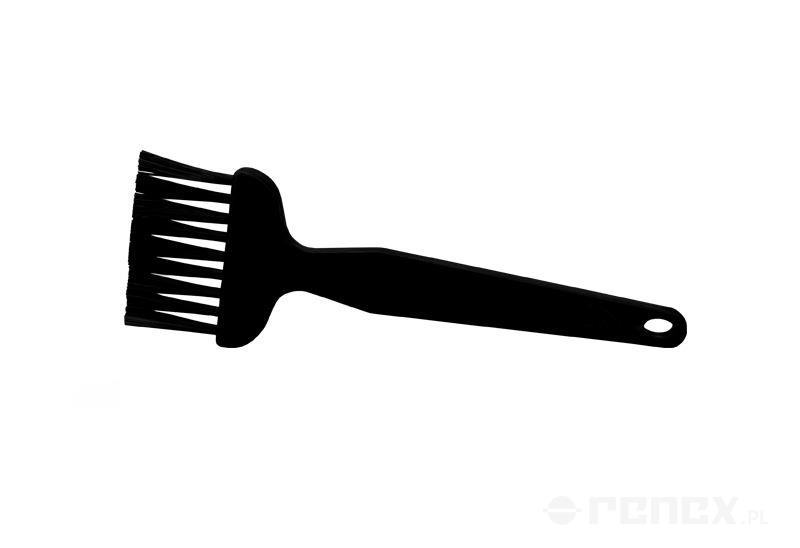
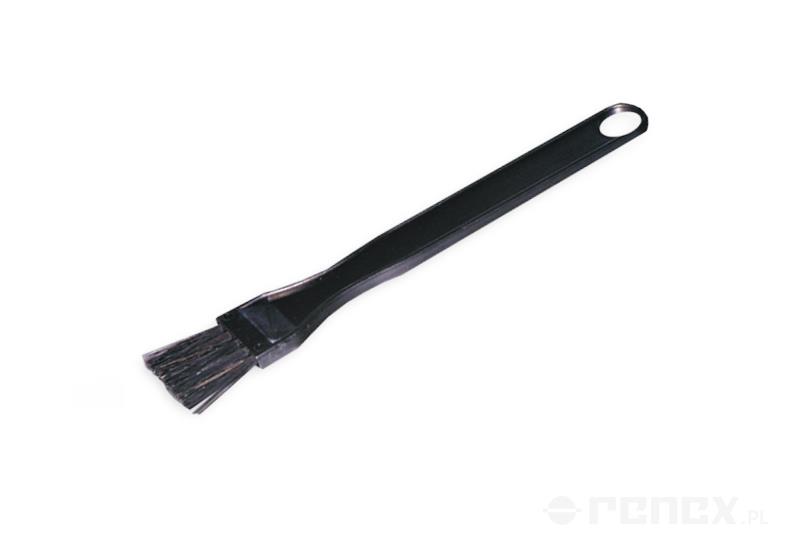
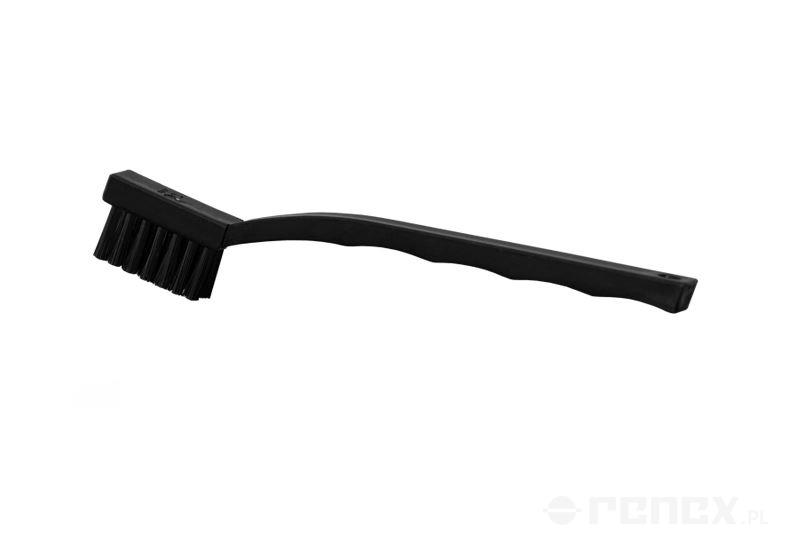
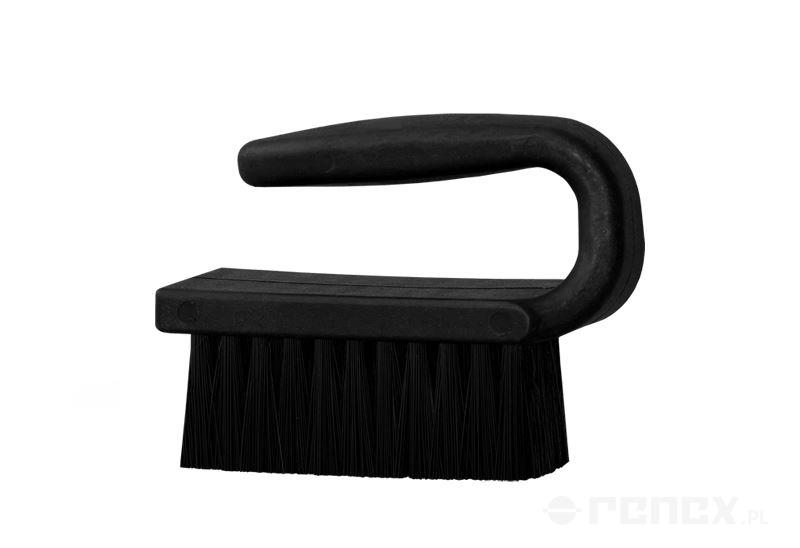
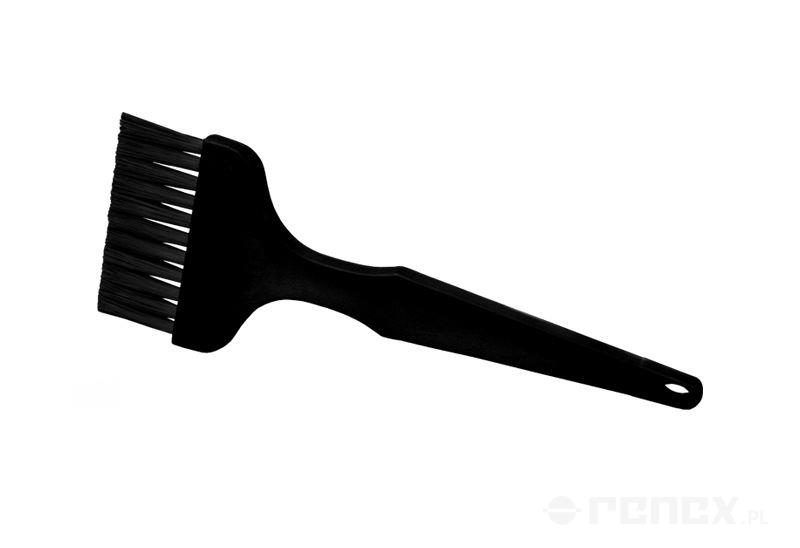
An ESD brush is a type of brush specifically developed for use in static-controlled environments in accordance with the international IEC 61340-5-1 standard. It is designed for the specific needs of the electronics industry, where electrostatic charges and charge build-up can be harmful to the production process. Their ESD-safe properties distinguish them from non-ESD-safe brushes, which should not be used on electrostatic discharge-sensitive electronics due to the risk of ESD damage. They are typically made with horsehair or nylon bristles and a wooden or conductive polypropylene handle.
ESD brushes should be used for cleaning, dusting and removing dust particles or solder residues from delicate electronic components such as integrated circuits and printed circuit boards, without generating static charges. For this reason, they are an essential tool in any static-controlled area.
Why should you use an antistatic brush?
The build-up of dust, dirt or solder residues is one of the most common issues around electronic components. Electrical charges can accumulate at every stage of electronics manufacturing, from production, handling and assembly to testing and final shipment. Without proper safety measures, these charges may damage components that are sensitive to electrostatic discharge. That is why ESD control products such as antistatic brushes are essential in industries working with electronics.
Gentle use of a small soft-bristle brush, such as a wooden horsehair brush or a conductive brush, allows contaminants to be removed safely without affecting the components or their electrical properties. Using antistatic brushes to clean components or devices helps ensure that they are not damaged by electrostatic discharge. These brushes support the quality, reliability and performance of electronic equipment. Naturally, there are limitations to how far even the smallest brush can reach, for example underneath components. Even so, the use of an antistatic brush is highly effective in reducing the risk of equipment malfunction.
Antistatic brushes are also an important tool before the soldering process, helping improve soldering efficiency. Using an antistatic brush before soldering can help remove small particles and other contaminants from the electronic component. As a result, they not only make soldering easier on electronic assemblies, but also help maintain cleanliness by removing excess flux and solder residues from solder joints.
Using brushes in an EPA
The use of ordinary brushes for cleaning electronic components such as printed circuit boards or integrated circuits should be avoided at all costs. The reason is that a standard brush is often made from highly insulating materials such as plastic, which can generate significant electrostatic charges. When the brush is dragged across the board surface, triboelectric charging occurs due to the contact and separation of the bristles from the component surface. This electrostatic charge may then discharge into the product, causing irreversible damage. In many cases, this damage is not detected until the product has been shipped to the customer, especially in the case of latent defects. This creates serious challenges for the manufacturer, reducing production quality and increasing costs, typically through warranty service and returns.
A common misconception is that a standard brush can be used for cleaning components as long as the operator is fully grounded through an earthing system. It should be noted that even if the operator is fully grounded, the electrostatic charge remains on the brush fibres and handle. For this reason, it still poses a risk to electrostatic discharge-sensitive products. Because brushes are used in close contact with critical electronic assemblies, it is essential to use a conductive brush and/or a brush made from charge-dissipative materials.