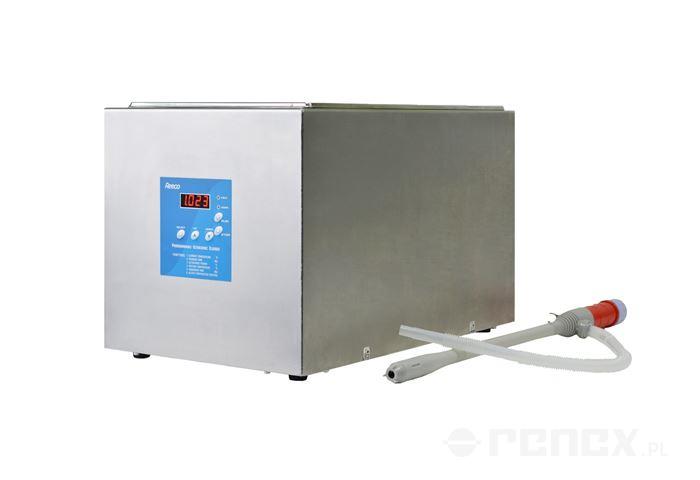
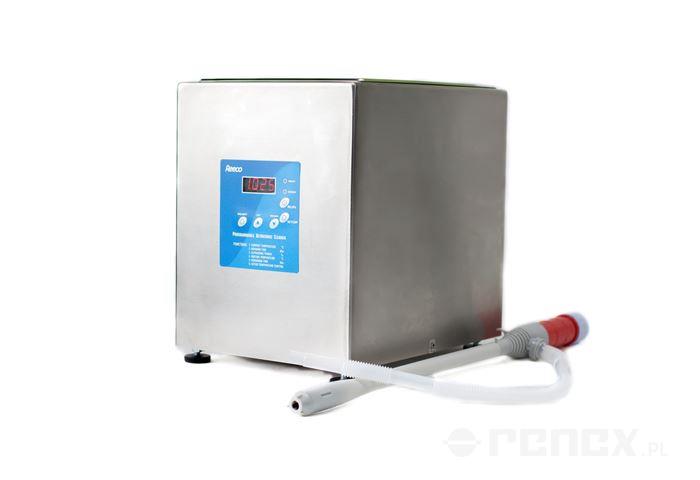
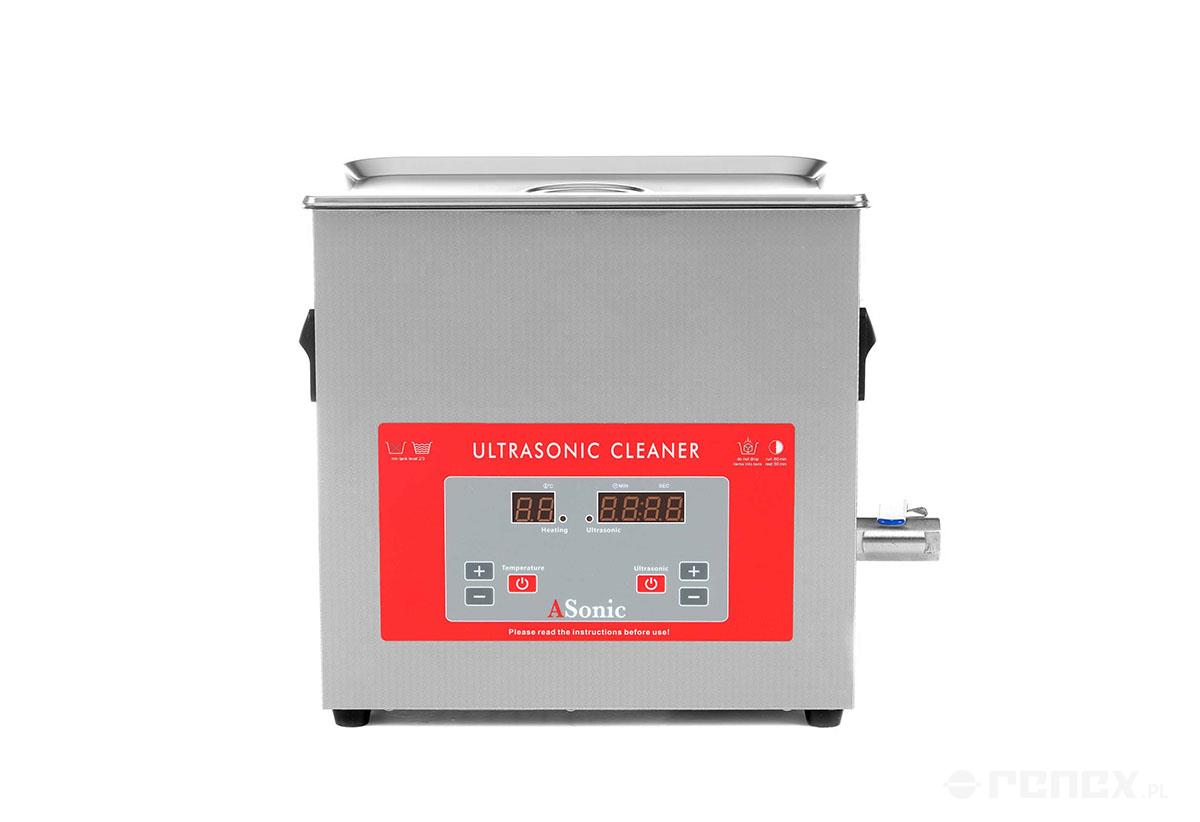
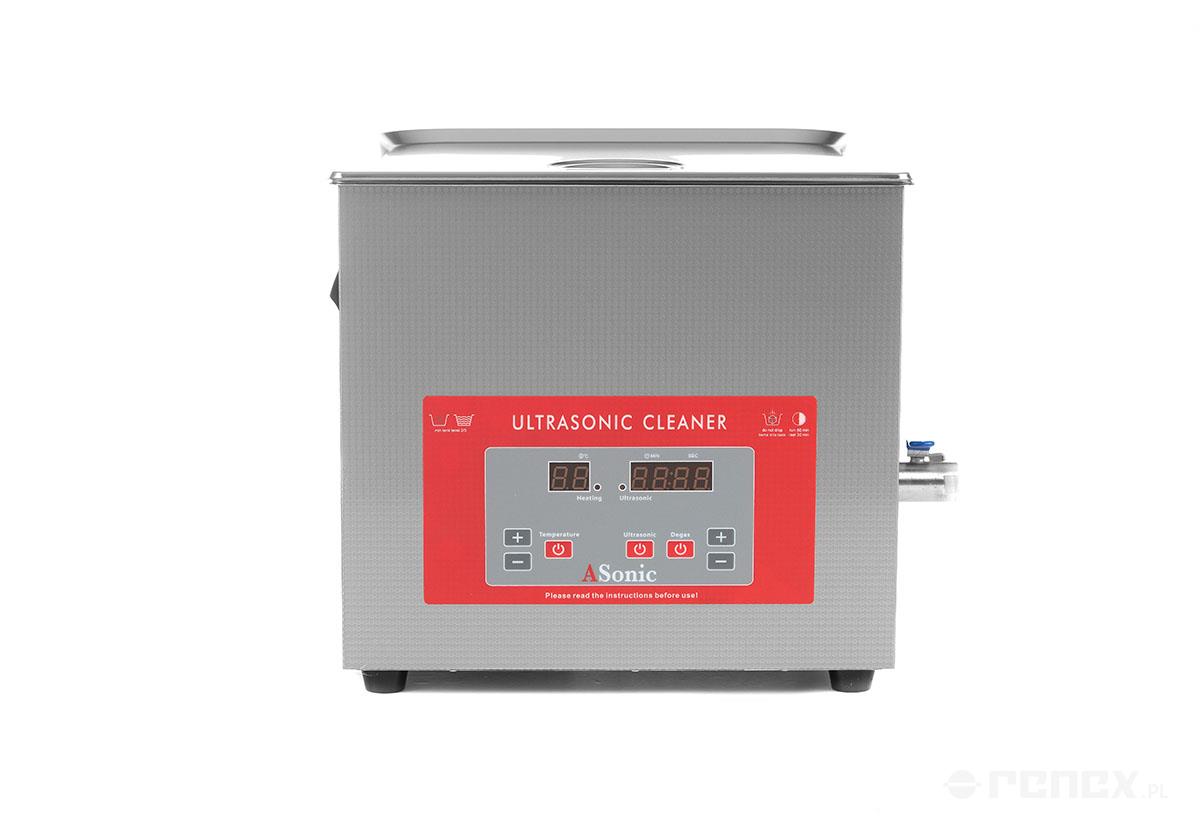
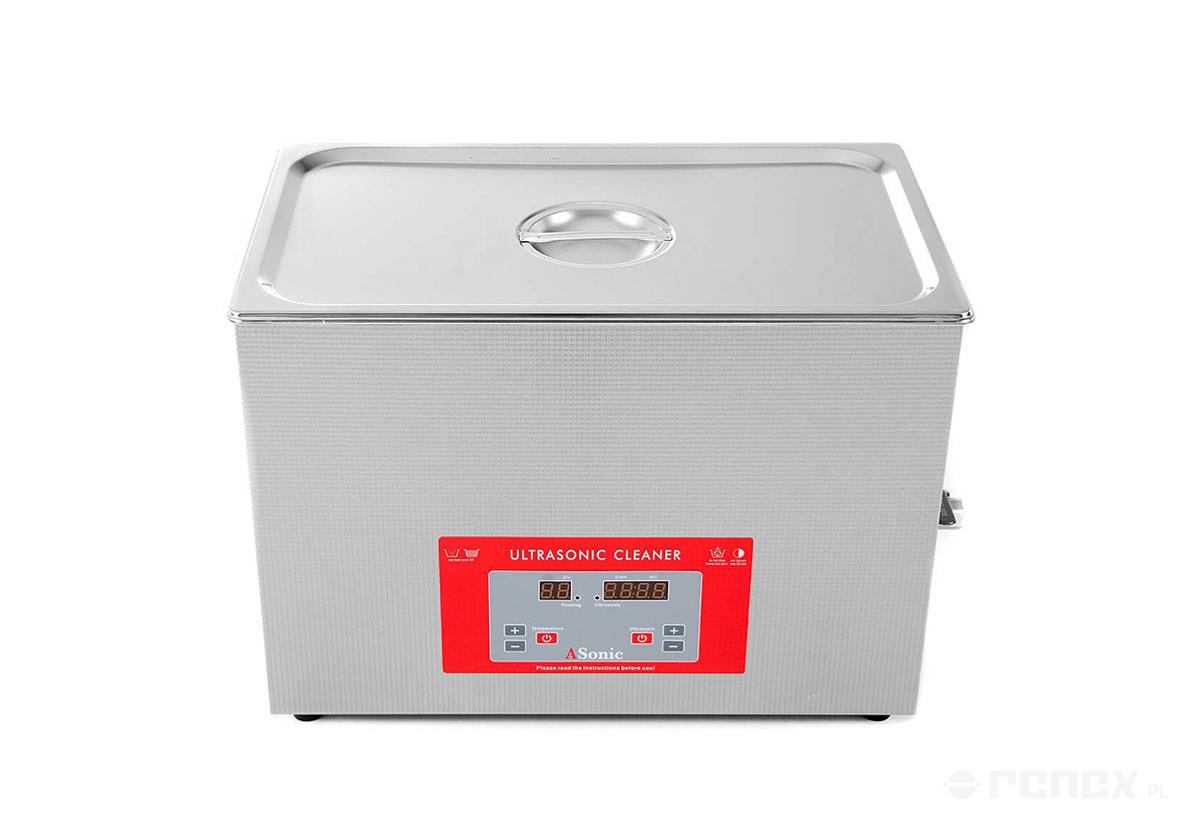
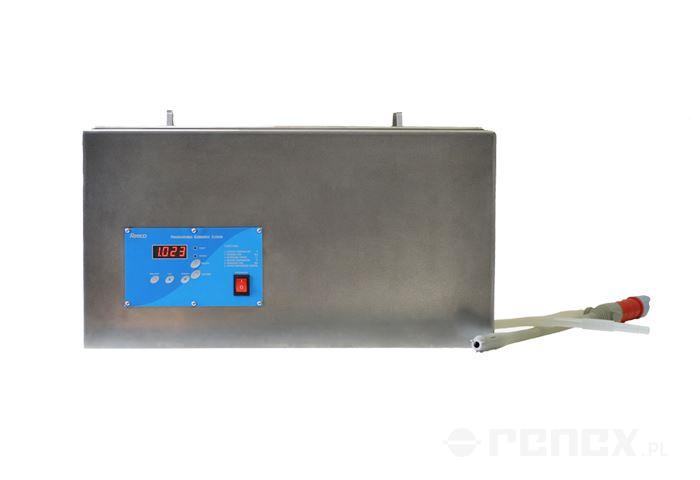
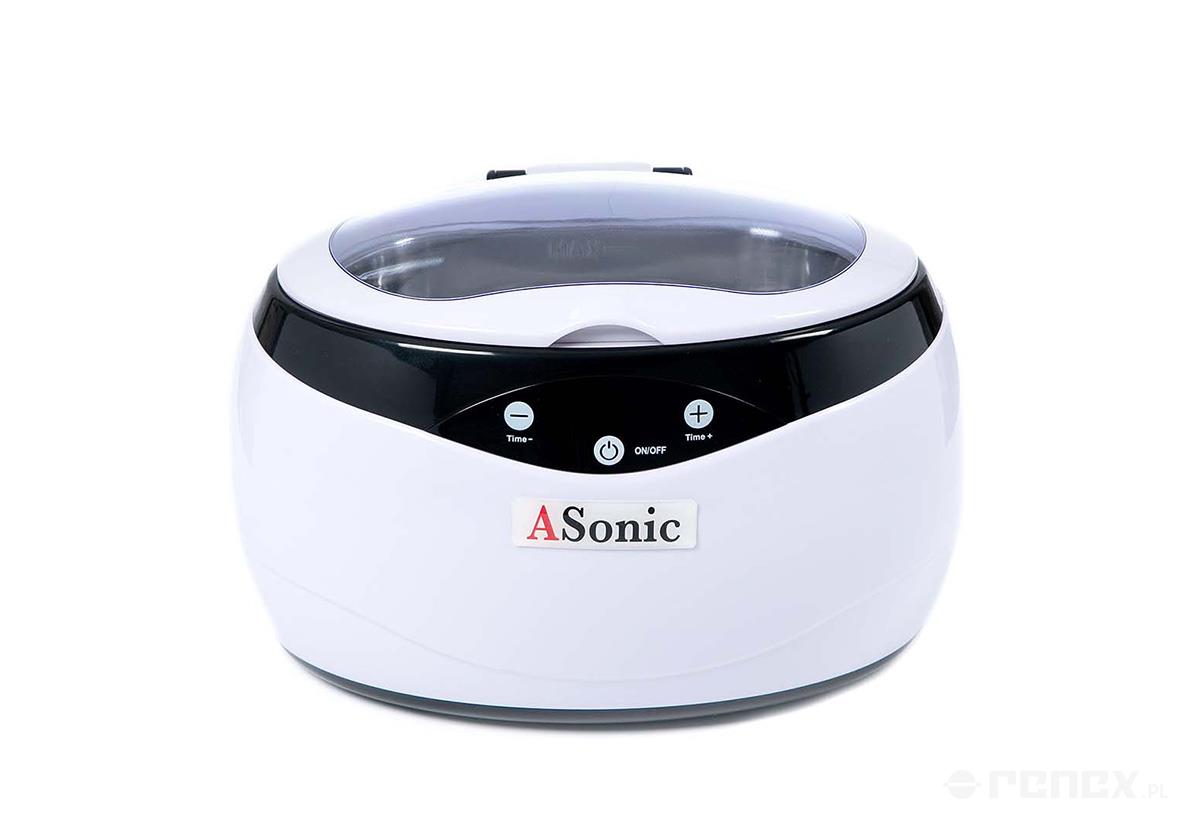
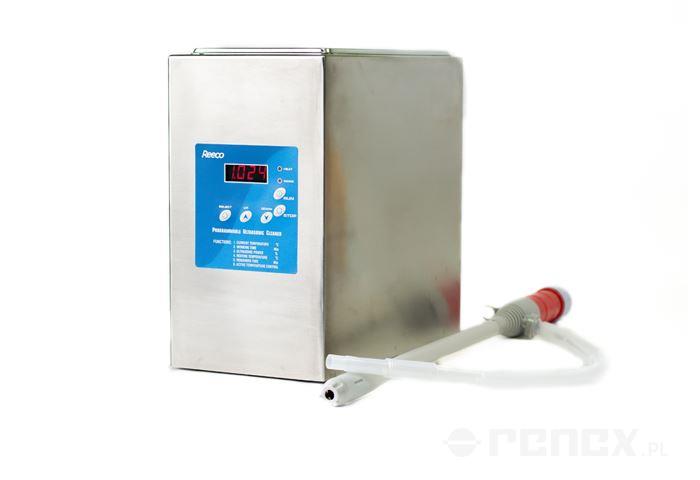
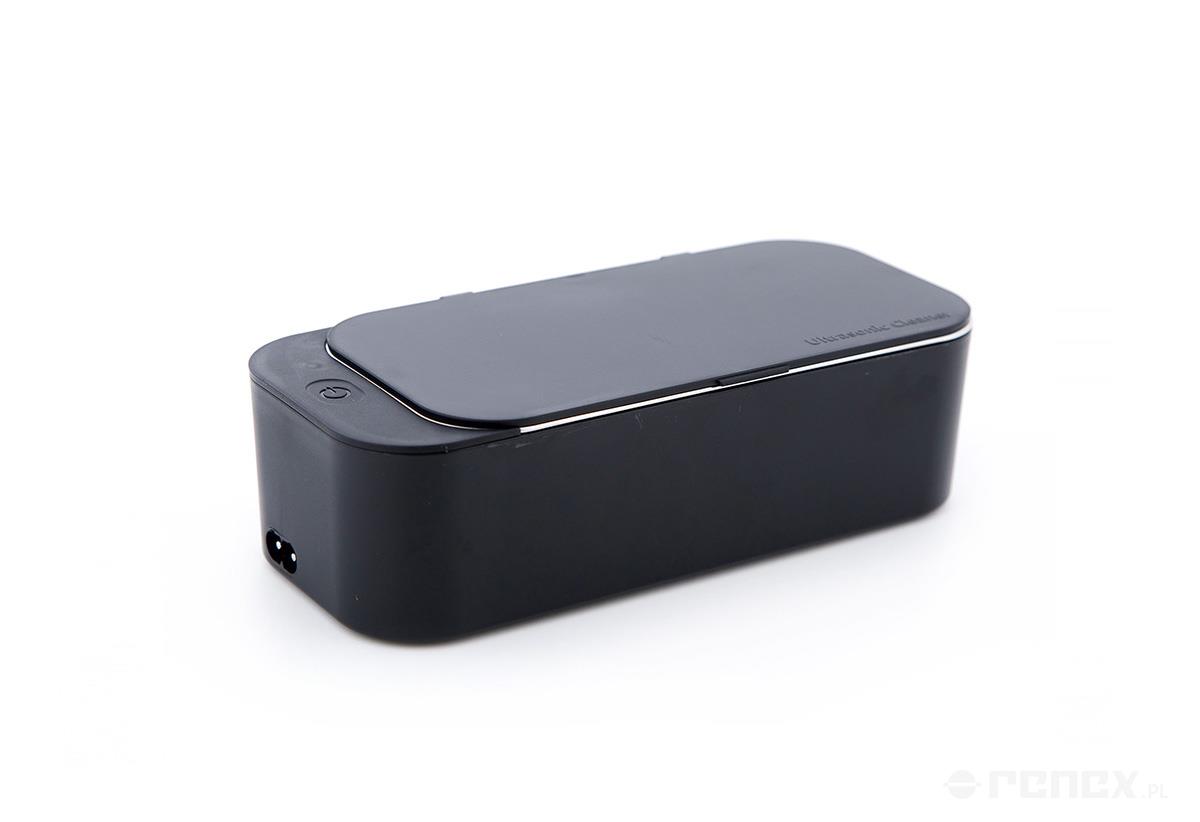
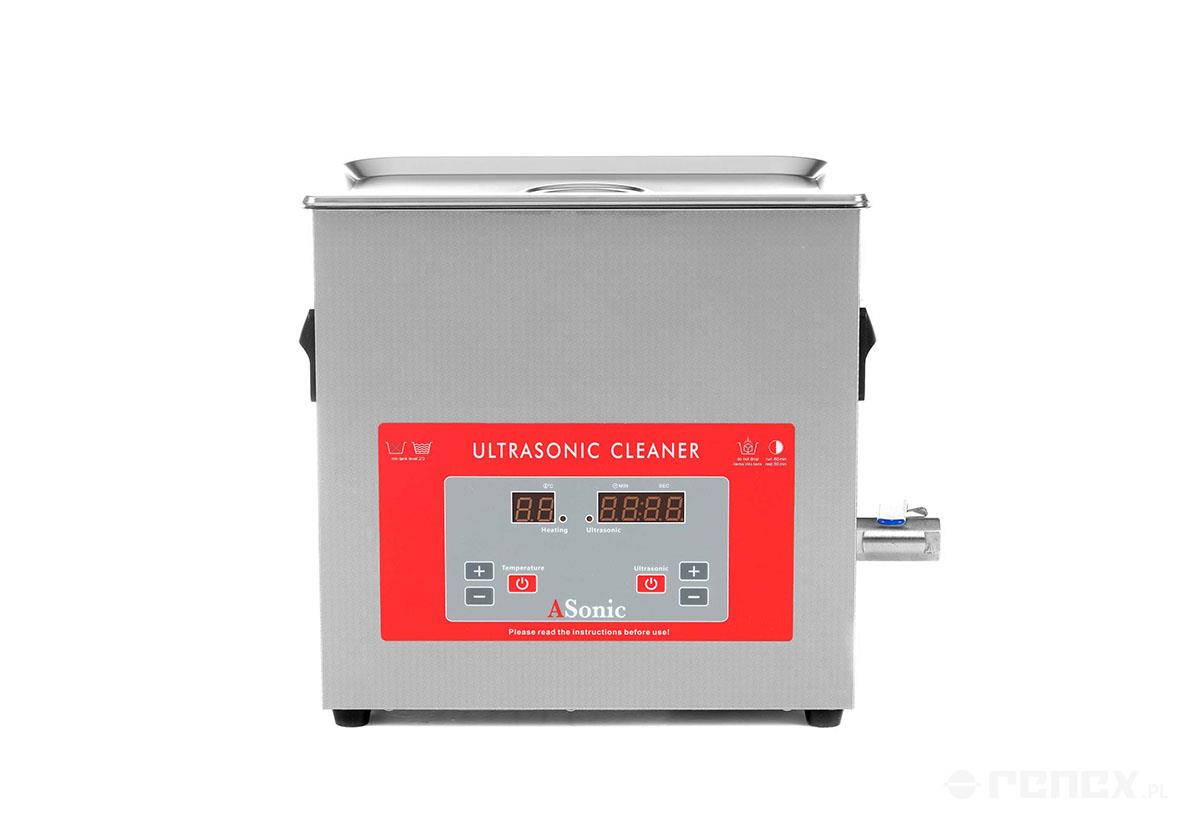
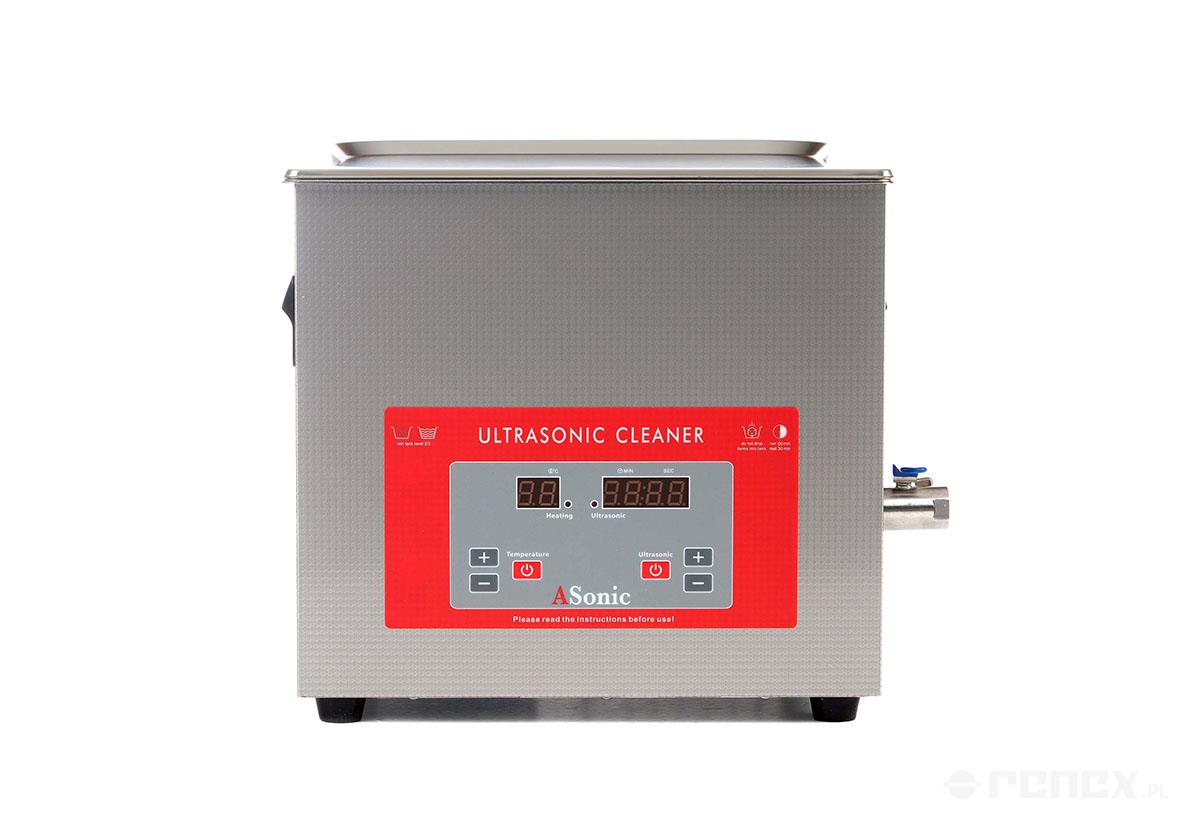
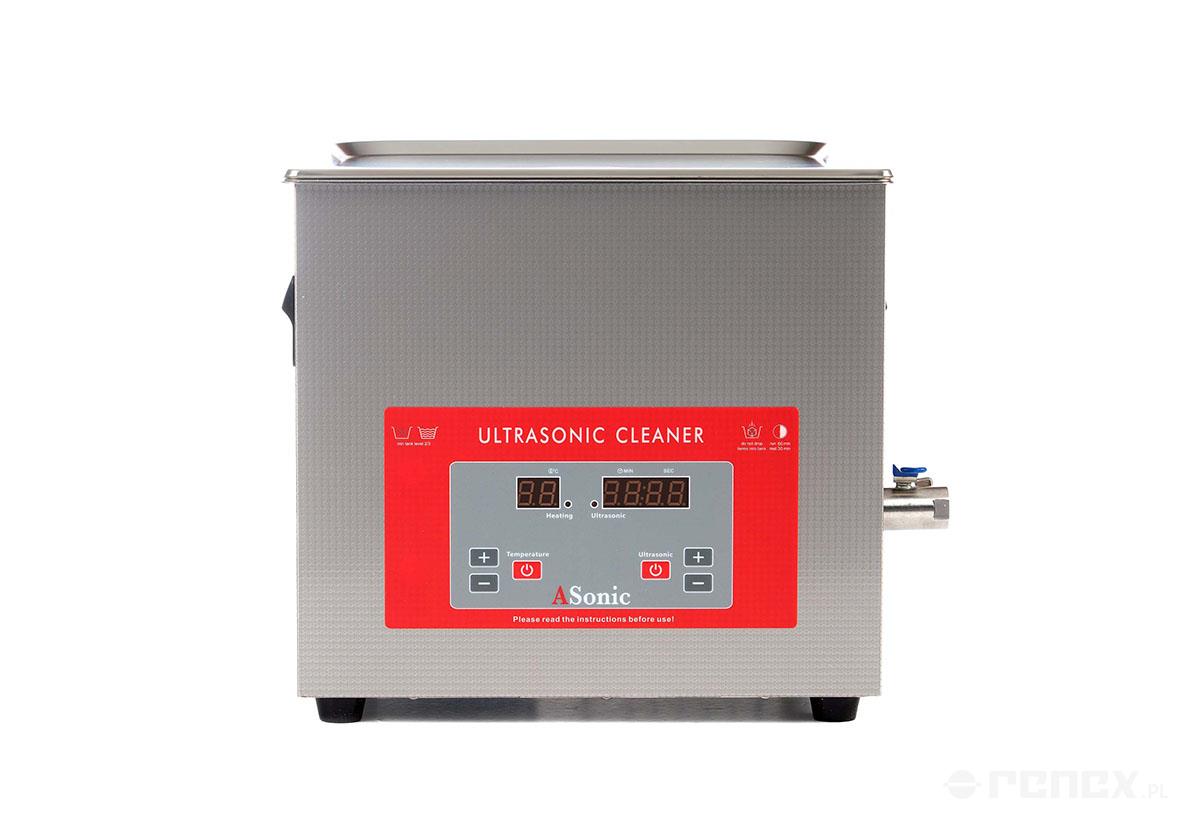
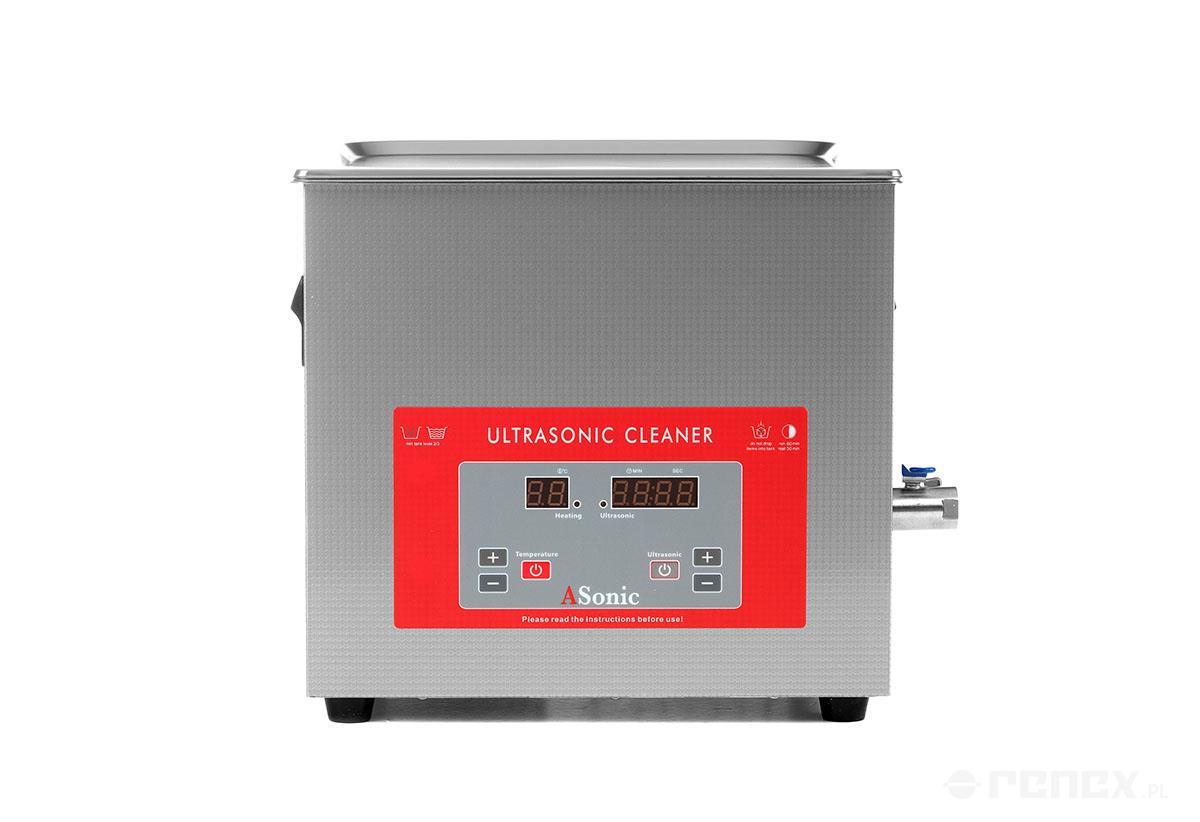
We offer top-class PCB cleaning equipment and solutions for other delicate components. Our range includes high-quality REECO ultrasonic cleaners available in sizes suitable for a wide variety of applications. These devices are fully protected against electrostatic discharge. REECO ultrasonic cleaners are fully digitally controlled and equipped with advanced automation features, such as automatic shut-off in the event of overheating and automatic drainage of used liquids. REECO ultrasonic cleaners are an excellent choice wherever highly accurate non-mechanical cleaning is required.
When should you choose an industrial ultrasonic cleaner?
Industrial ultrasonic cleaners are used for demanding and often long-duration cleaning cycles. These units may be required to operate continuously for many hours and must therefore be designed to withstand rigorous working conditions. When selecting an ultrasonic cleaner, it is important to consider:
The type of contamination to be removed. As expected, there is a major difference between removing coolant from machined parts and removing baked-on residues from expensive plastic injection moulds.
The requirements also differ depending on whether the task involves removing varnish deposits from a carburettor or solder residues and other contamination from delicate printed circuit boards.
The material composition of the cleaned items also matters. Different parameters are required for cleaning aircraft engine parts and printed circuit boards. A compatible cleaning solution and ultrasonic frequency will be necessary. Particularly demanding applications include cleaning glue guns and spray paint components.
The following aspects should also be taken into account:
How will the parts be used after cleaning?
How should the term “clean” be defined?
Will batches or individual parts be cleaned?
The size and weight of the components
Ultrasonic cleaner tank dimensions
It is very important to determine what tank size will be required for a given workstation. To do this correctly, it is best to use one of the following guidelines:
Measure the dimensions of the largest parts you intend to clean
Choose equipment with a tank large enough to accommodate them
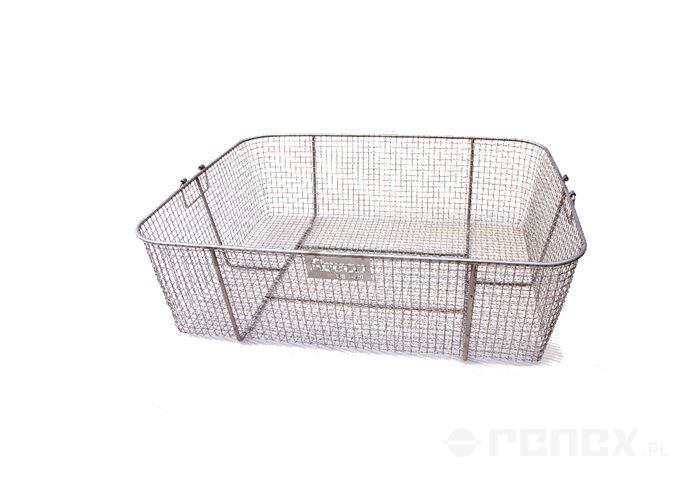
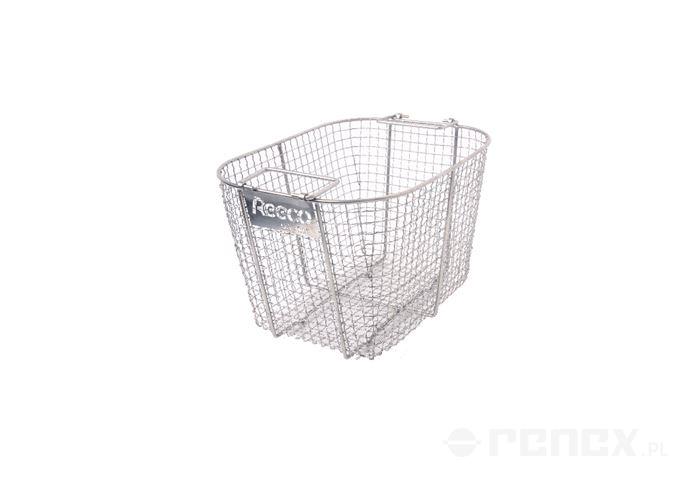
It is also worth paying attention to the dimensions of baskets for parts or samples. In addition, the so-called working depth of the cleaning liquid should be taken into account, as it relates directly to the size of the parts being cleaned. Working depth is the distance from the inner bottom surface of the basket to the liquid surface in the filled tank of the industrial ultrasonic cleaner. This is important because the cleaned parts must be fully immersed in the liquid. If this information is not included in the product specification for industrial ultrasonic cleaners, it should be requested from the manufacturer or supplier.