Printed circuit boards (PCBs) serve as the brain and heart of many electronic devices used by consumers every day. Cars, electronic equipment and medical devices are just a few examples of products that rely on PCBs to function as intended. However, for printed circuit boards to operate correctly, their numerous connections must remain clean. PCBs consist of several different components, each designed for a specific purpose. If the connection between them is compromised in any way, the devices using those boards may malfunction. From life-saving pacemakers to something as simple as making a phone call, PCBs must remain in optimal condition, which is why proper PCB cleaning is so important.
Why does PCB cleaning matter?
Once a printed circuit board has been soldered and manufactured, it must be cleaned thoroughly. PCB cleaning is considered a critical part of the electronics assembly process. Failure to clean a PCB properly can have a harmful impact on the durability, efficiency and reliability of the device. It can also negatively affect the overall service life and long-term performance of the product.
How do printed circuit boards become contaminated?
During the manufacturing and soldering stages, a printed circuit board may become contaminated with solder, dirt or flux. The board can also pick up contamination during handling or from the surrounding environment. Fingerprints, resin, residues, oxides, moisture, rosin and dust are just some of the contaminants that should be taken into account during PCB production and soldering. Worse still, some of these contaminants also have corrosive properties. Over time, connections and circuits may deteriorate, which can lead to failures and short circuits. Given how important device longevity is for many users, PCBs must remain in optimal condition to extend the lifetime of the final product.
Cleaning “no-clean” flux
There are certain types of flux in the industry marketed as “no-clean”. As a result, some may assume that PCB cleaning is not required after using this type of flux. In practice, however, “no-clean” flux should still be removed. After soldering, the board should be cleaned carefully to improve the appearance of the device and to avoid the risk of electrical leakage. Although “no-clean” flux is designed to leave as little residue as possible, it is by no means completely residue-free.
How should a PCB be cleaned?
There are several different cleaning methods available, each with its own advantages. Each method also has certain limitations, and the choice depends on available time, environmental factors, budget, and the density and complexity of the components involved.
Manual PCB cleaning
This method involves removing solder residues and other contaminants by physically lifting them away from the surface. Typically, a small brush and an alcohol-based solution are used for manual cleaning. To begin, the printed circuit board should be soaked in acetone for about 10 minutes. This helps loosen dirt and contaminants on the board, making them significantly easier to remove. Once the board has been sufficiently soaked, use a small brush to carefully remove unwanted particles. In most cases, contamination should be removed while the board is wet with ethyl alcohol. After brushing, the board should be rinsed with demineralised water. Following a 3 to 4 minute rinse, it should then be dried completely using a high-quality nitrogen gun.
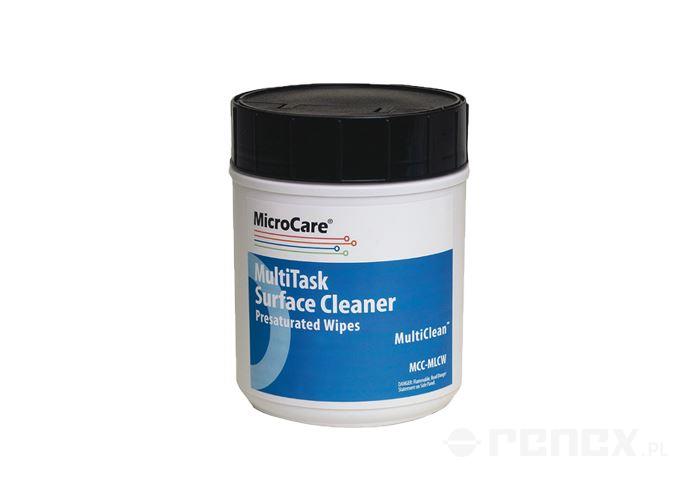
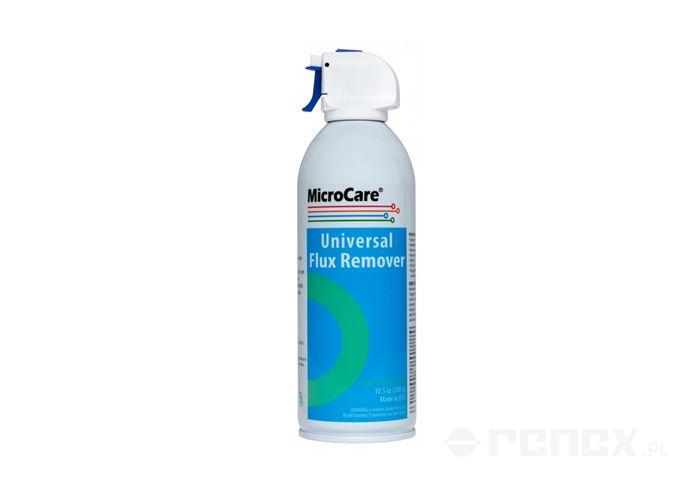
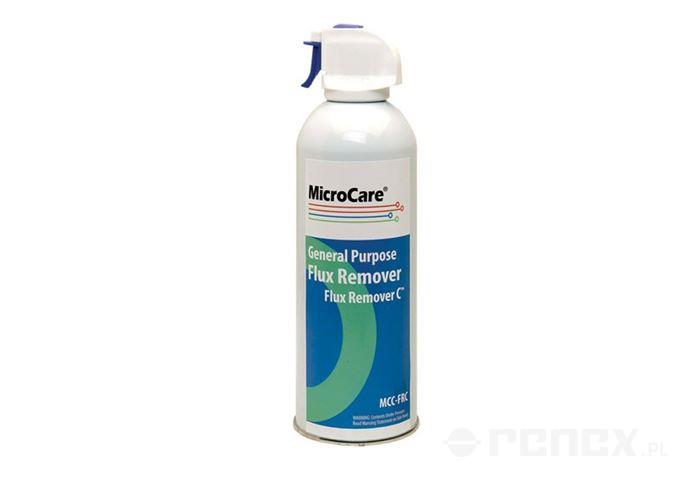
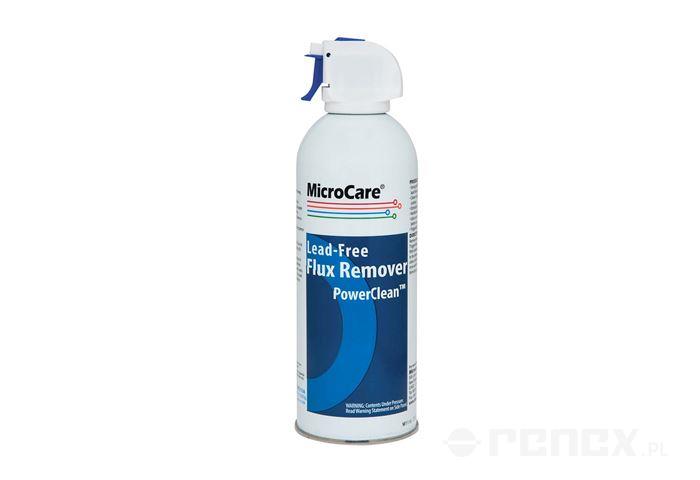
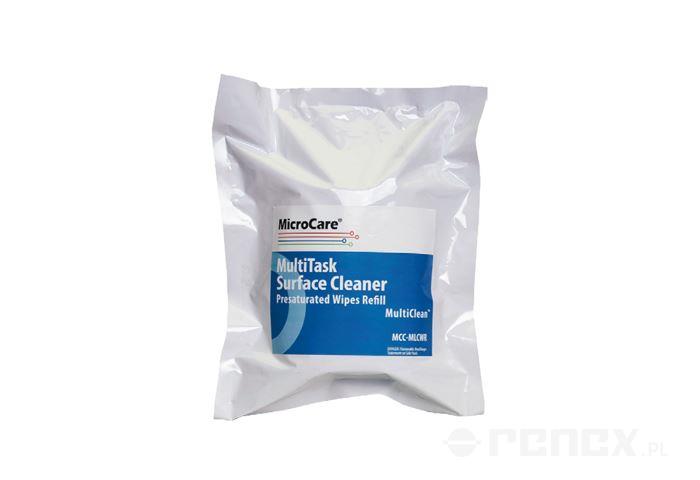
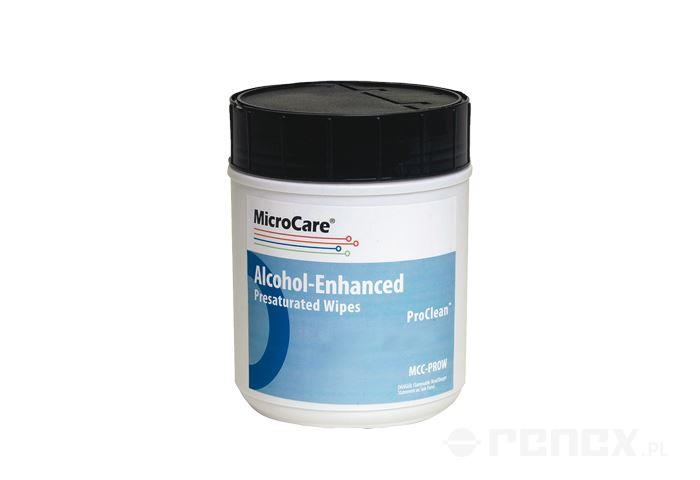
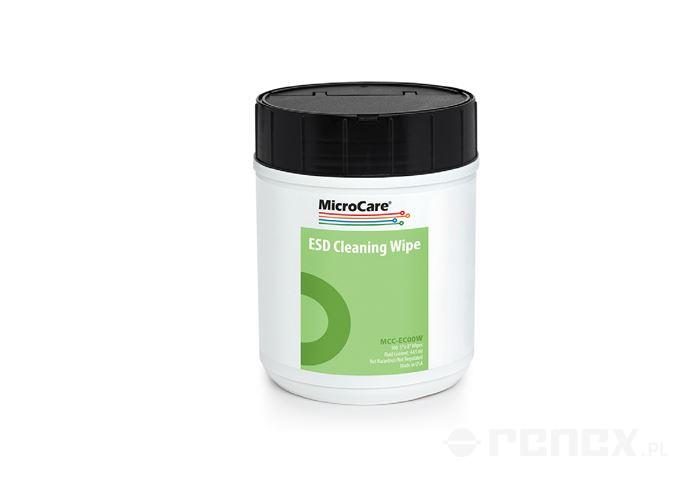
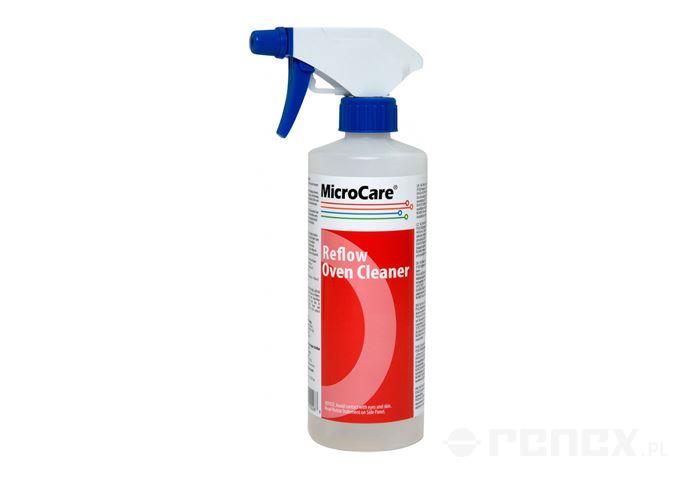
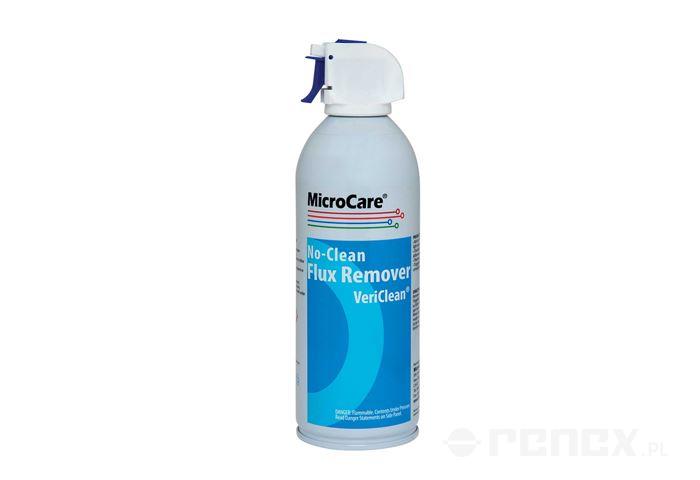
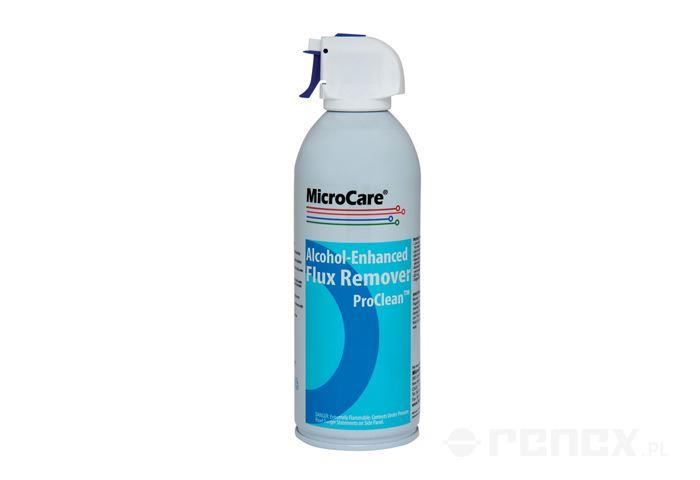
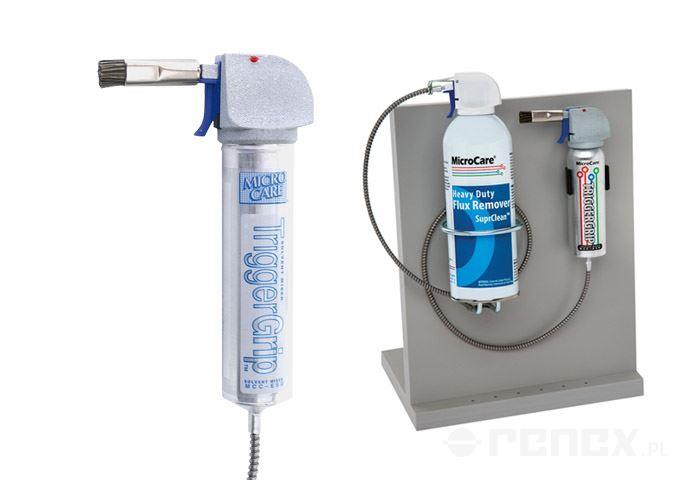
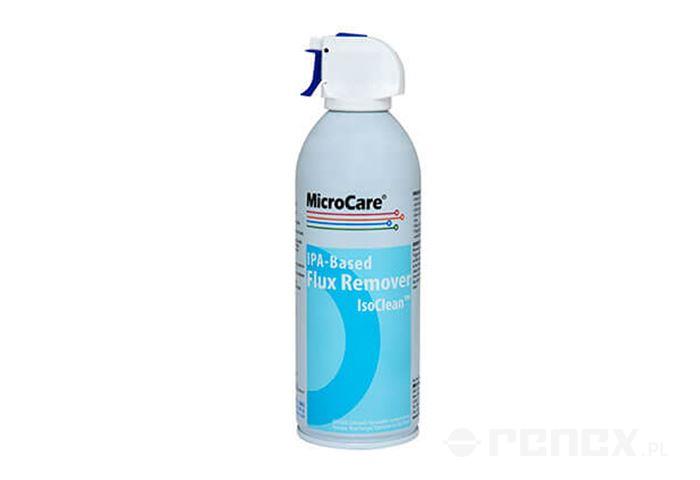
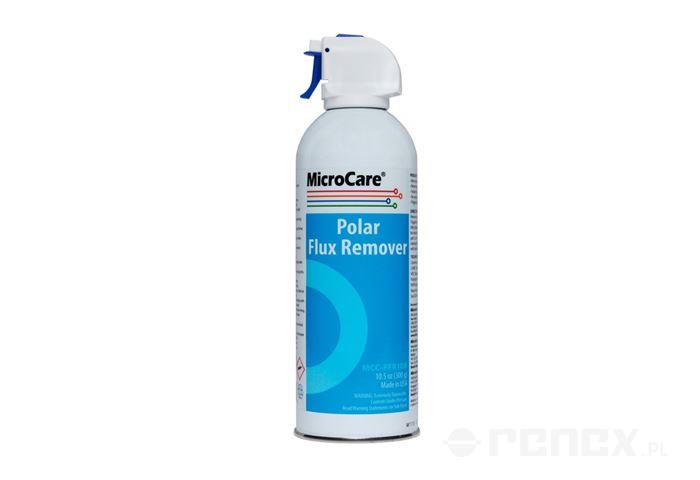
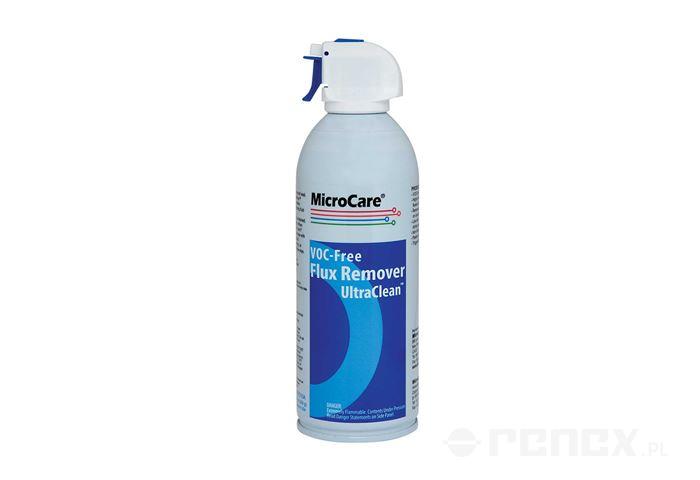
We offer a wide selection of PCB cleaning agents and products for other delicate components. Available options include Microcare cleaning agents, pens for removing adhesive and label residues, and products designed to remove flux residues and other post-soldering contaminants. Our range also includes complete cleaning kits containing flux residue removers, products for removing inks, grease, lubricants and oils, packs of lint-free wipes, as well as Trigger Grip dispensers for economical application of PCB cleaning agents.