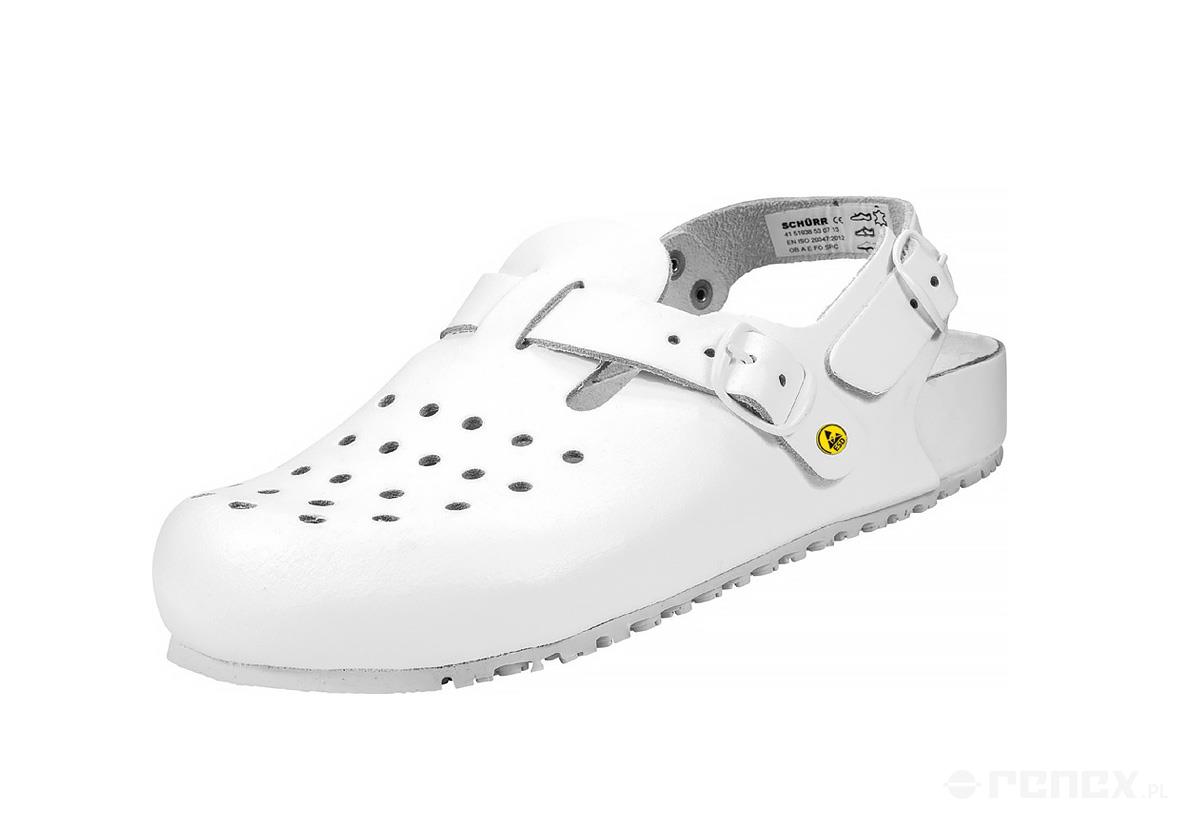
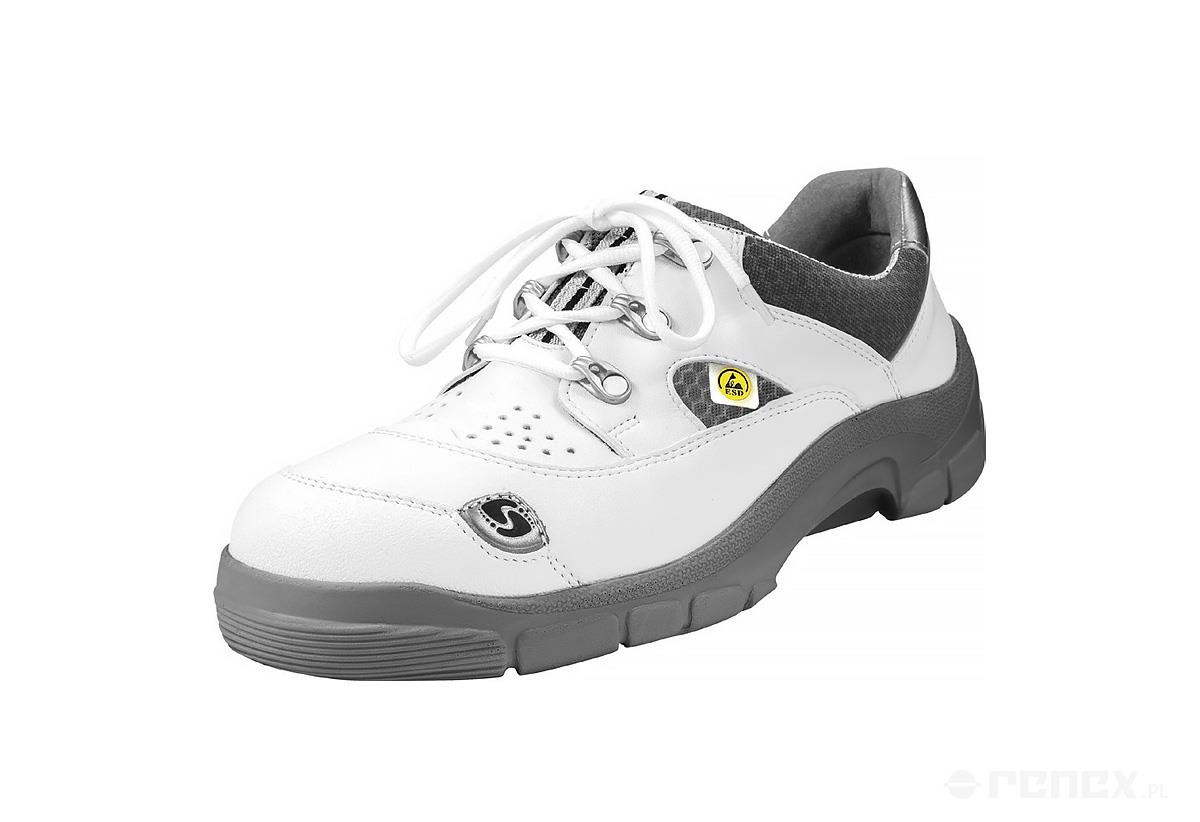
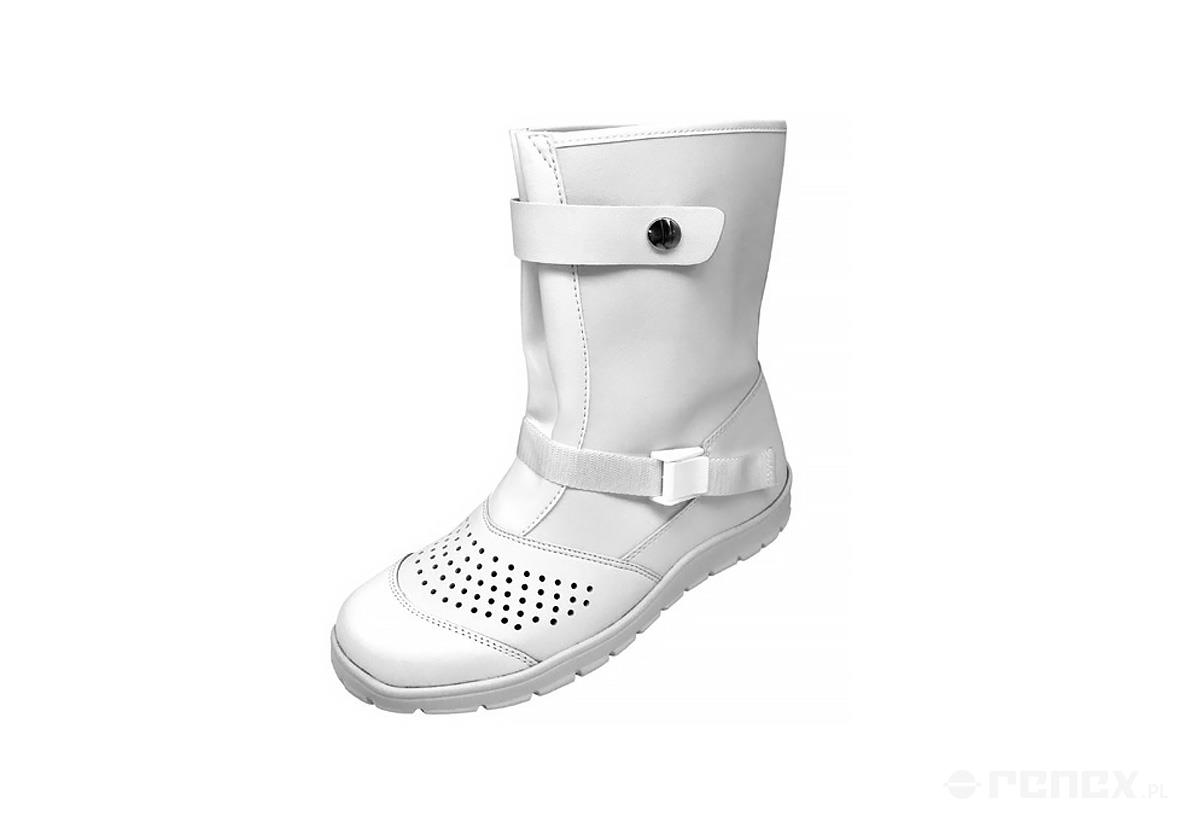
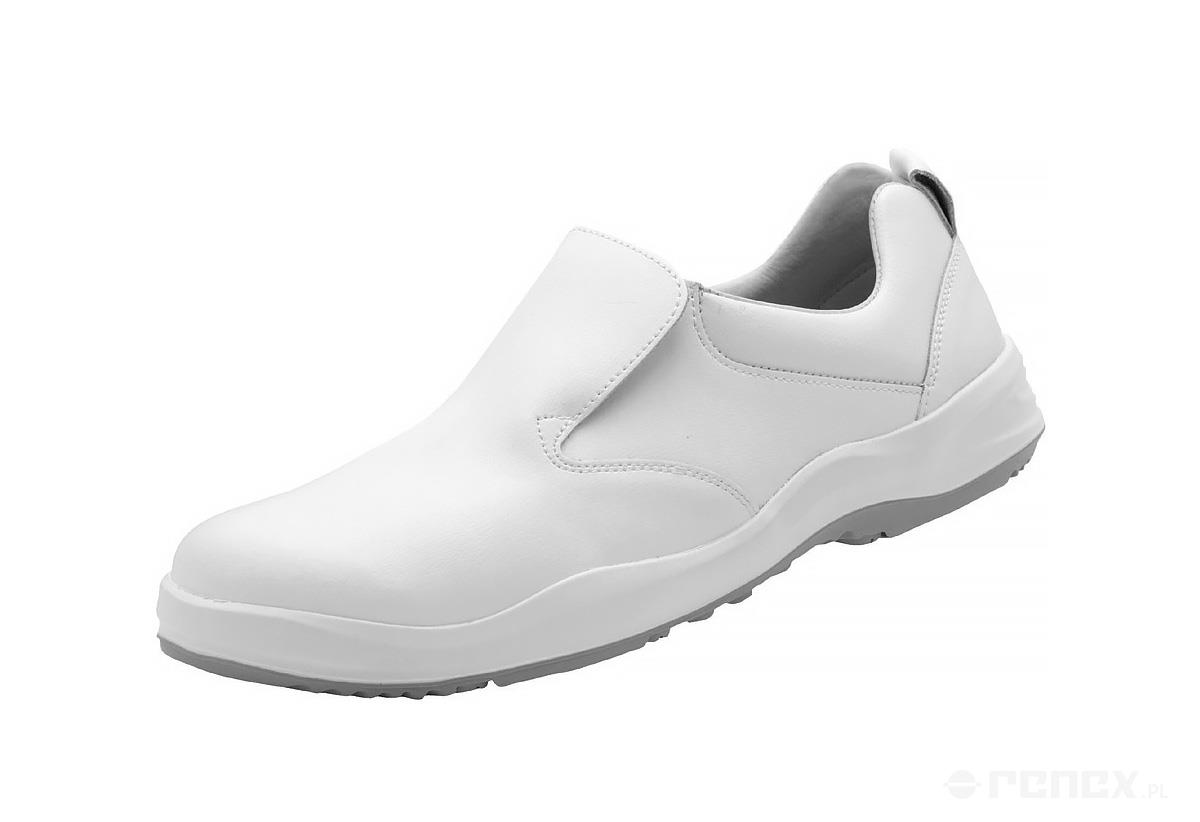
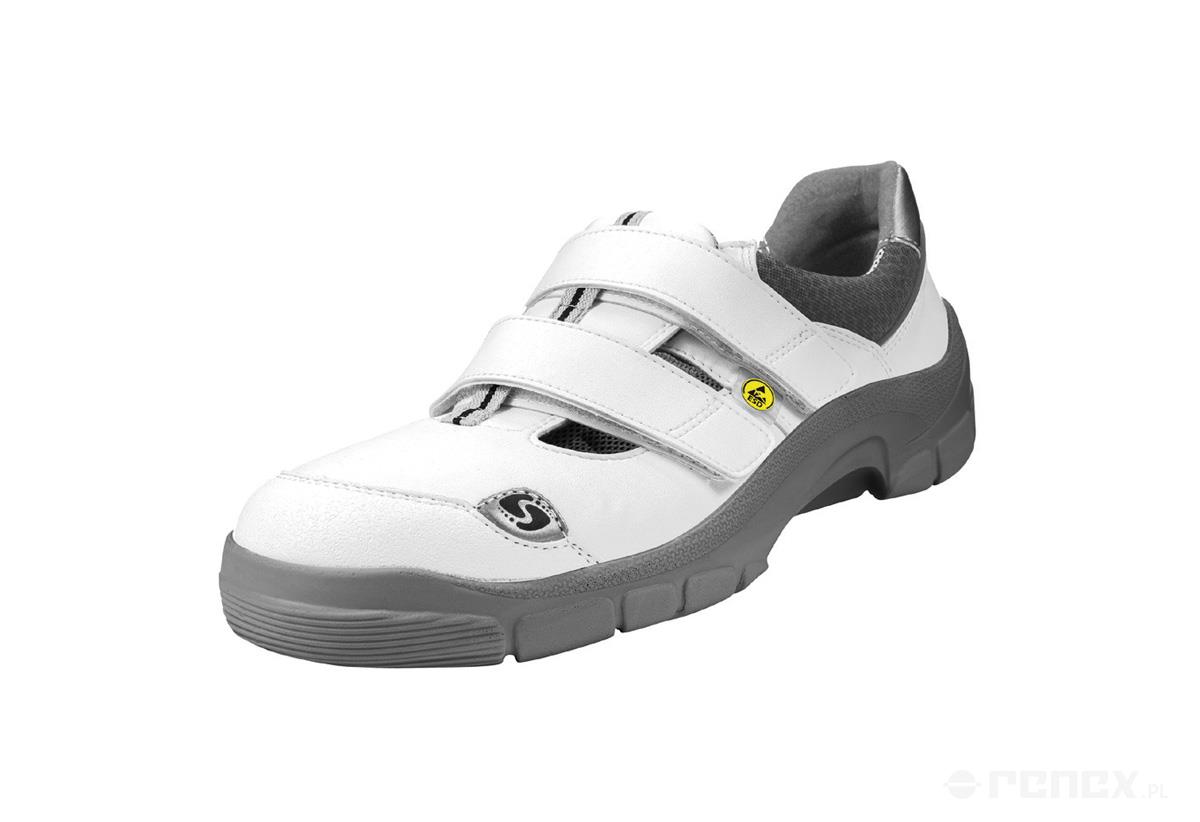
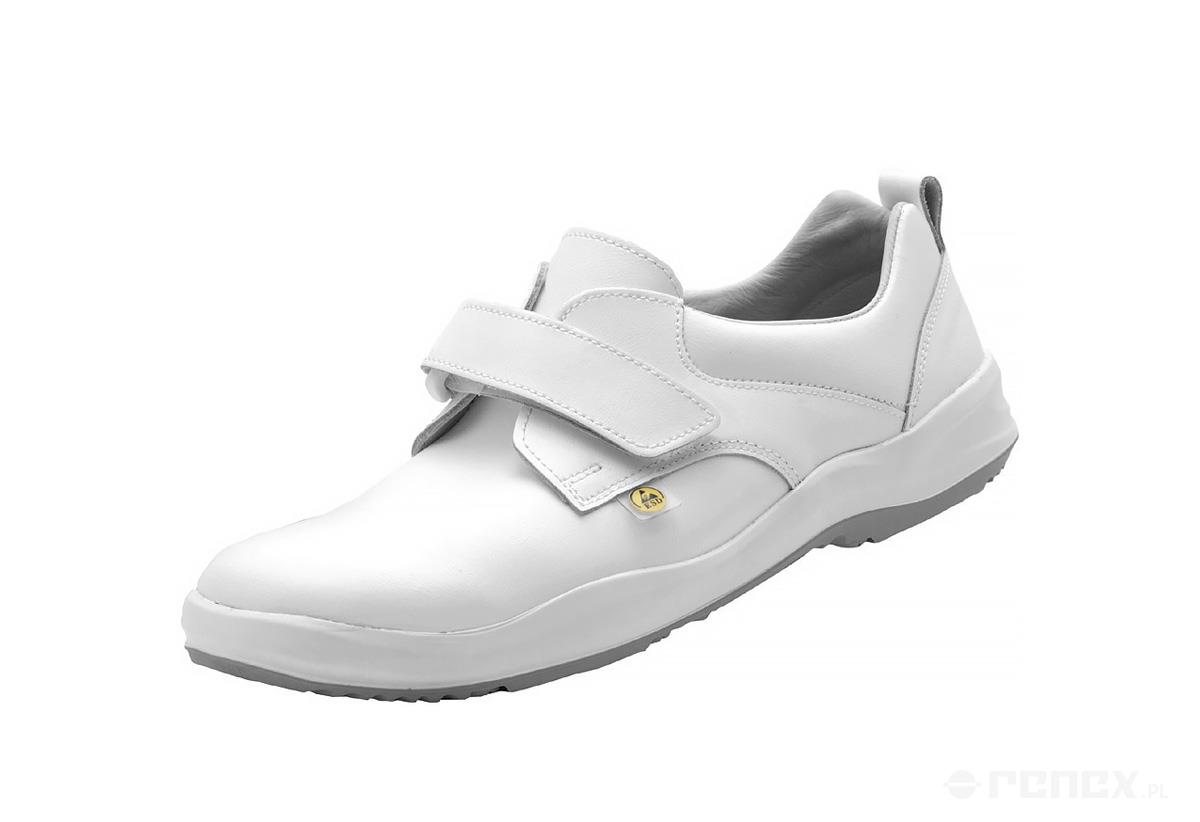
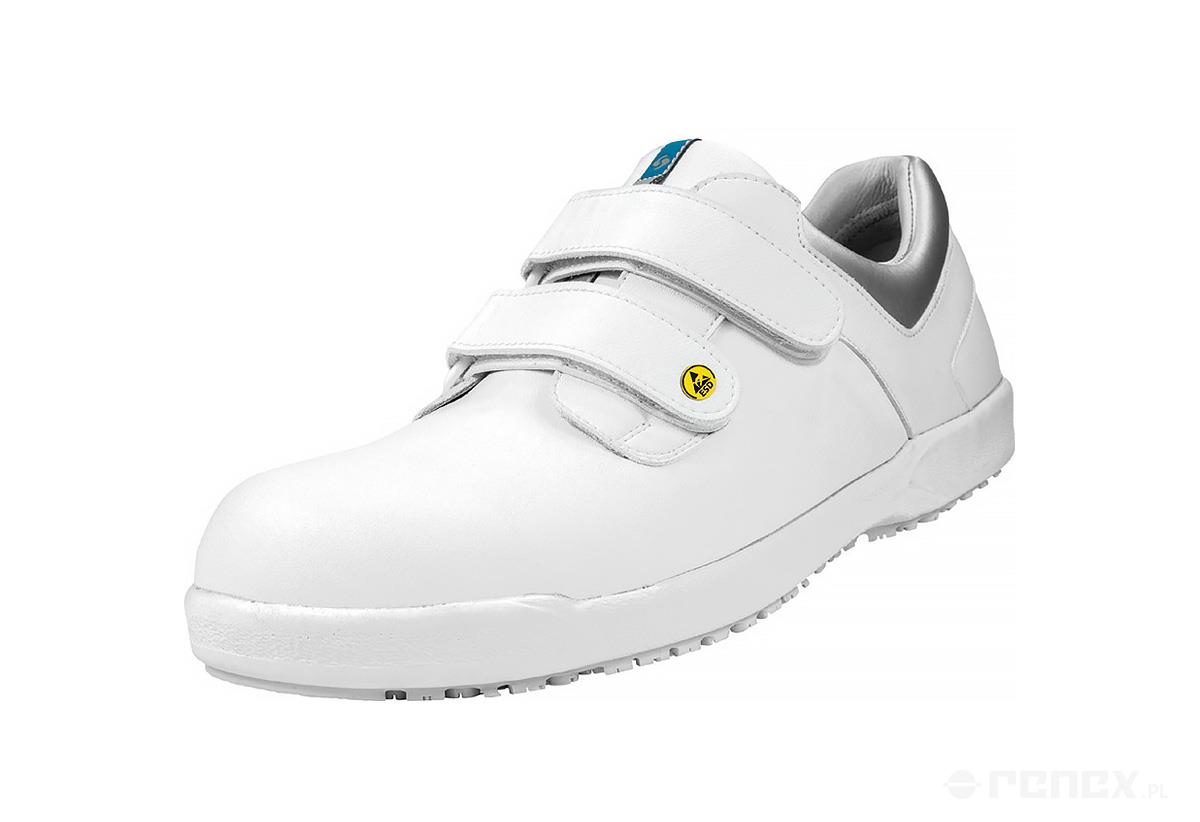
We offer top-quality cleanroom garments. Our range includes hooded and non-hooded lab coats, coveralls, protective masks, and gloves. All cleanroom clothing is designed for the conditions found in laboratories and other controlled environments. Laboratory garments are fully antistatic and therefore suitable for work in environments that require the dissipation of electrostatic charges. The offered cleanroom clothing is available in a wide range of sizes and colours.
How to choose the right cleanroom clothing?
Garments worn in cleanrooms are one of the most important elements in maintaining the cleanliness of this environment. Production processes and medical devices may be contaminated by particles present in the surrounding area. The purpose of cleanrooms is to monitor, control the concentration of, and ultimately minimise contaminants such as dust, chemical fumes, aerosol particles, and airborne microorganisms. To achieve this, cleanrooms are often equipped with air filters, air pressure regulators, and airlocks.
Another way to control airborne contamination levels is through the use of cleanroom garments and equipment. There is clothing specifically approved for this purpose. So how should you choose what to wear in different cleanroom classes? The International Organization for Standardization has established nine cleanroom classifications. These standards are classified from ISO 1 to ISO 9. Cleanroom classifications are based on the cleanliness of the room. The classifications are determined by the number of particles of specific sizes per cubic foot or cubic metre, and the corresponding ISO class is then assigned. Different industries require different levels of cleanliness and sterility.
Particle concentrations may change over time, starting from construction and equipment installation. As instruments and equipment are introduced, particle levels increase, and when people enter the environment, particulate levels rise even further. The three cleanroom classification standards include as-built, at-rest, and operational states. Cleanrooms must be routinely tested on an ongoing basis. Since cleanroom classifications are based on cleanliness levels, the garments worn should be made from materials compatible with the permitted particle level. Because ISO Class 1 requires the cleanest environment with the fewest particles per cubic metre, it also requires the most stringent garment standard. ISO Class 8 is the least clean environment, with a higher number of particles per cubic foot or cubic metre, and therefore requires the least stringent garment standard.
Coveralls or cleanroom clothing should be changed depending on the classification. For ISO 3, ISO 4, and ISO 5, cleanroom garments should be changed each time the wearer enters the cleanroom. For ISO 6, cleanroom garments should be changed three times a day. For ISO 7, they should be changed twice a day, and for ISO 8, they should be changed daily. Cleanroom garments are not the only way to control contamination in the environment. HEPA filters also reduce airborne particles. These are specialist filters used to capture particles measuring 0.3 microns or larger as air passes through the filter.
Cleanroom garments
Personnel working in cleanrooms are the greatest source of contamination for manufactured products. It is people who introduce contamination into cleanrooms and subsequently into products and processes through particles shed in the form of skin flakes, hair, or bacteria.
Cleanroom garments perform a key protective function by forming a barrier between the person, the cleanroom, and the product. To be effective, cleanroom clothing must meet specific requirements, but above all it must act as a barrier. The material used is made from continuous-filament polyester, which retains particles while allowing the fabric to breathe. As a result, cleanroom garments can act as a filter, preventing harmful contaminants from entering the cleanroom environment.
So how can contamination be prevented from entering cleanrooms? One answer is cleanroom undergarments. This is specialist clothing worn instead of normal garments underneath cleanroom coveralls. Cleanroom undergarments offer many benefits in terms of comfort and convenience. Tests have shown that contamination in cleanrooms is higher when personnel wear regular underwear. The use of cleanroom undergarments can reduce particle concentration in the cleanroom by more than half.