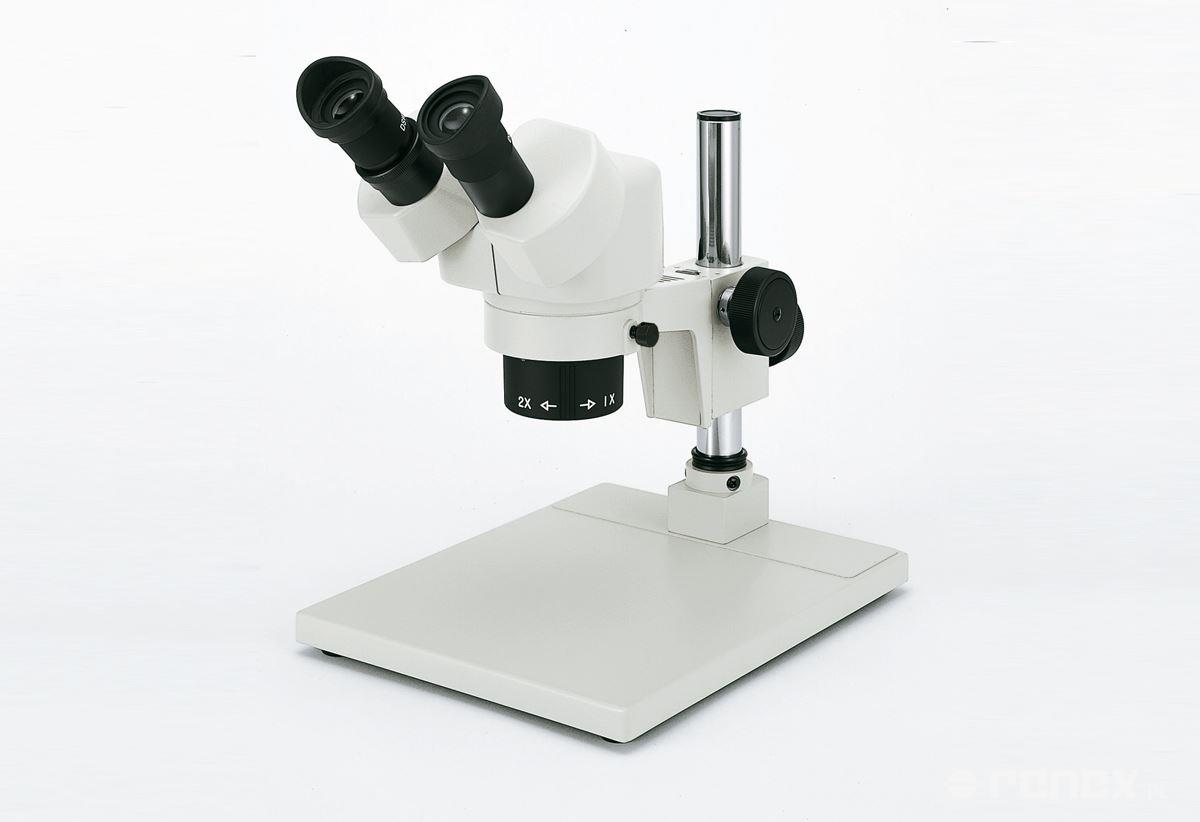
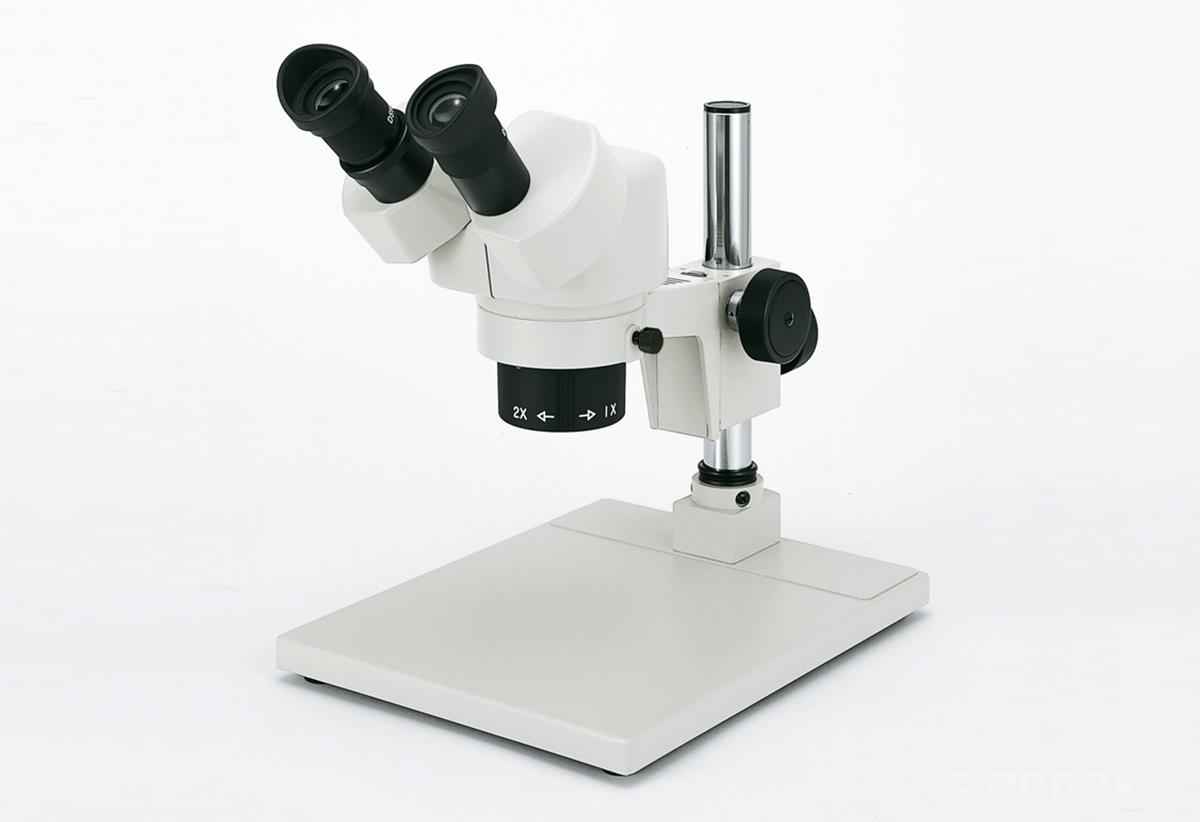
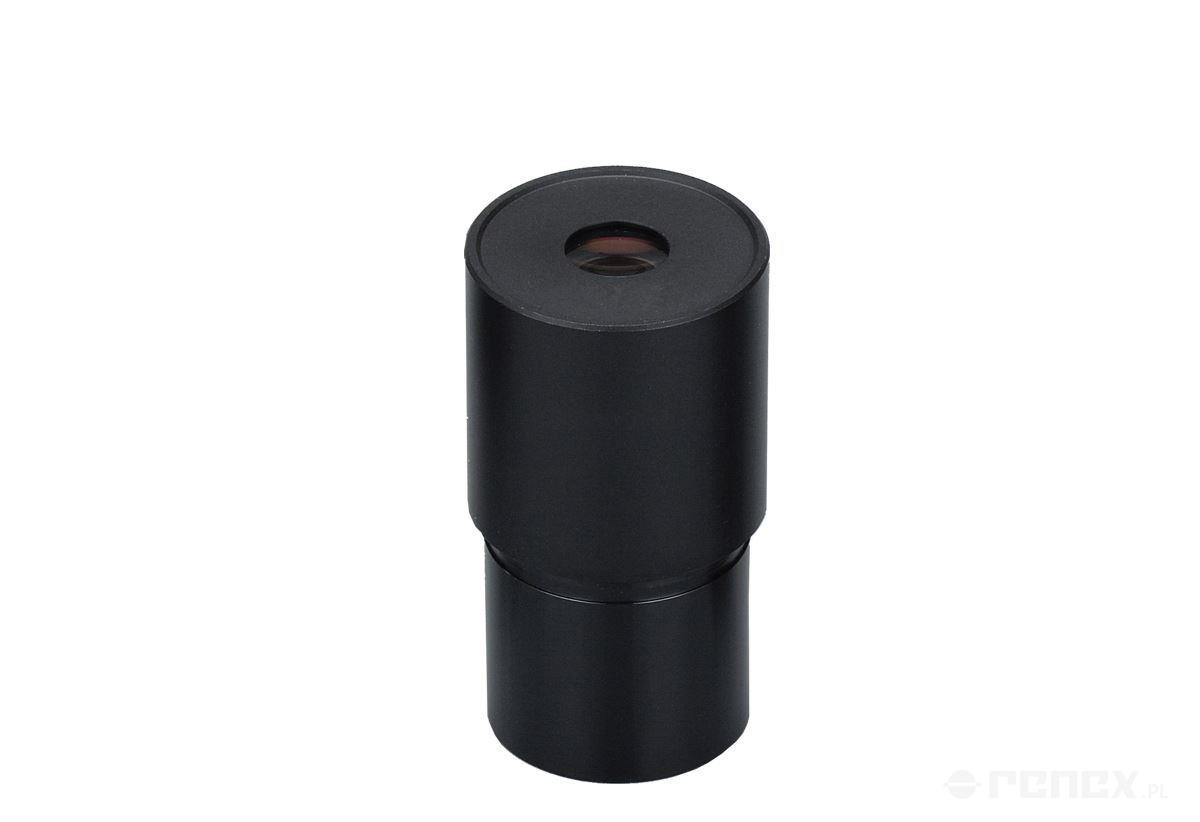
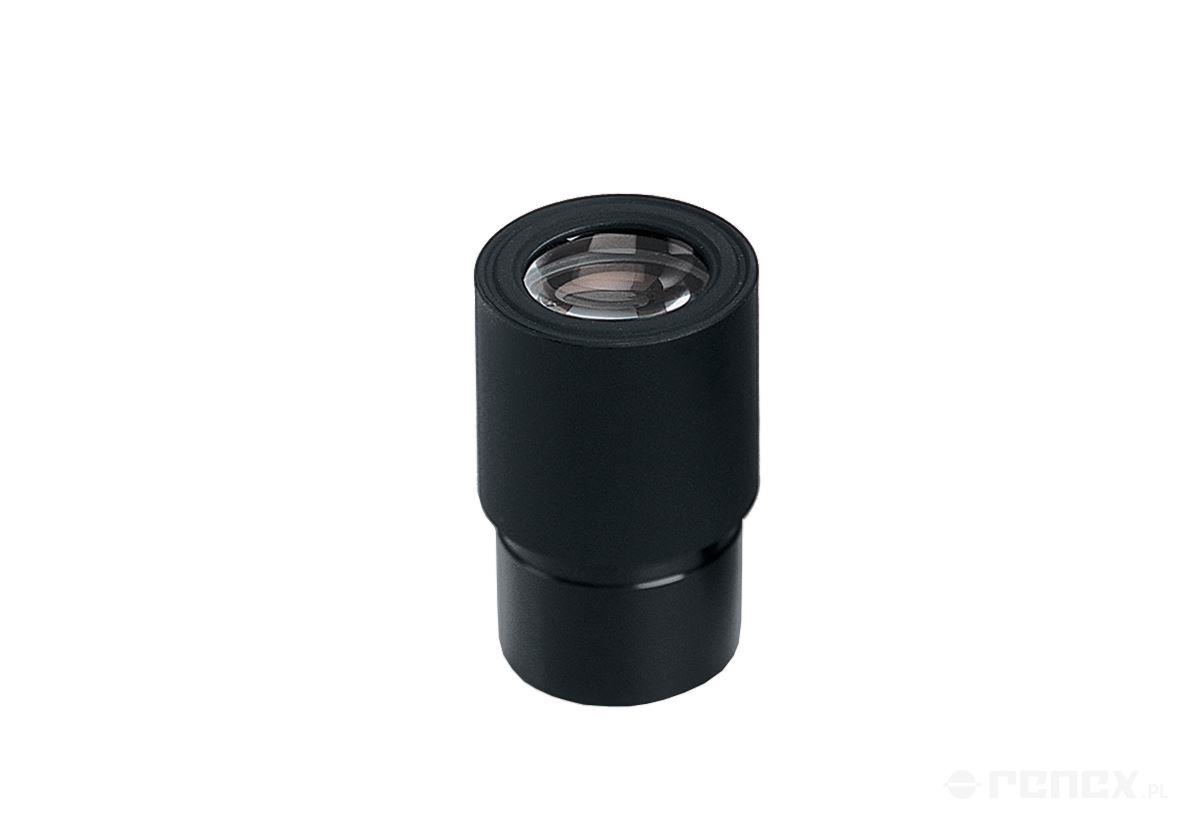
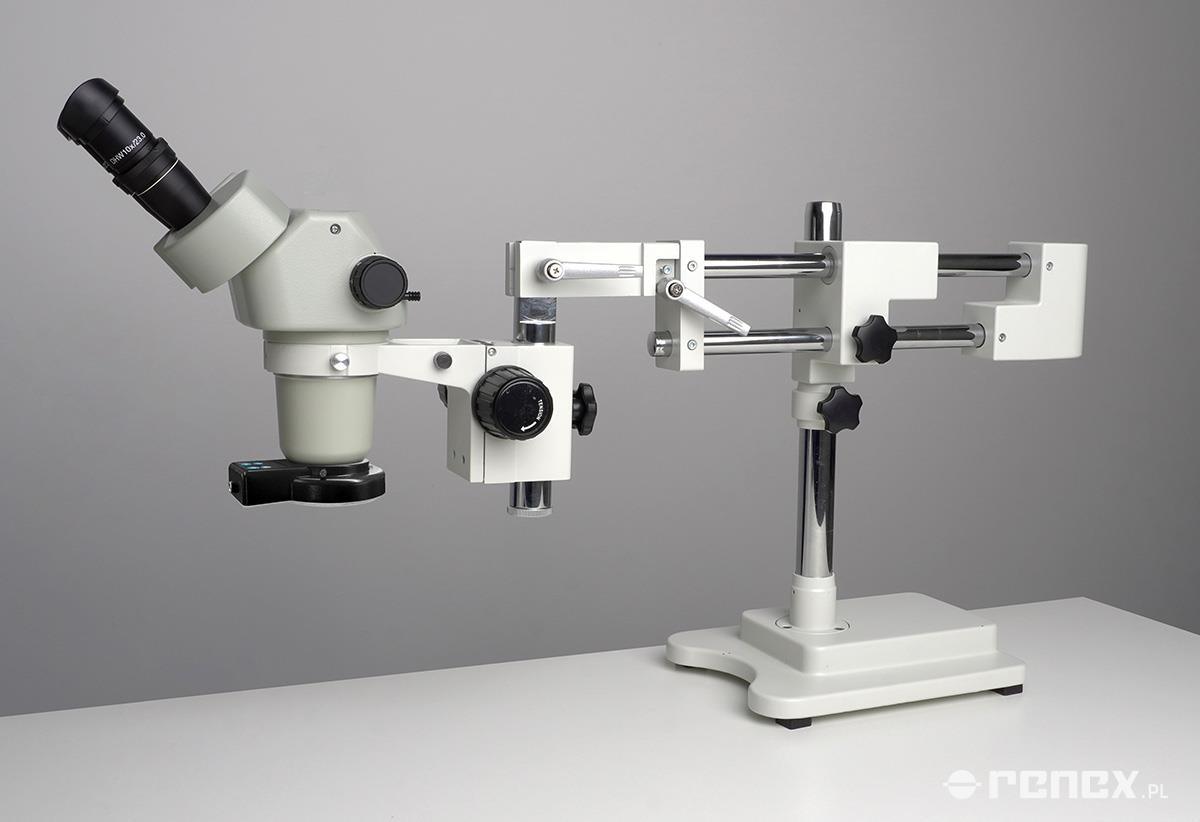
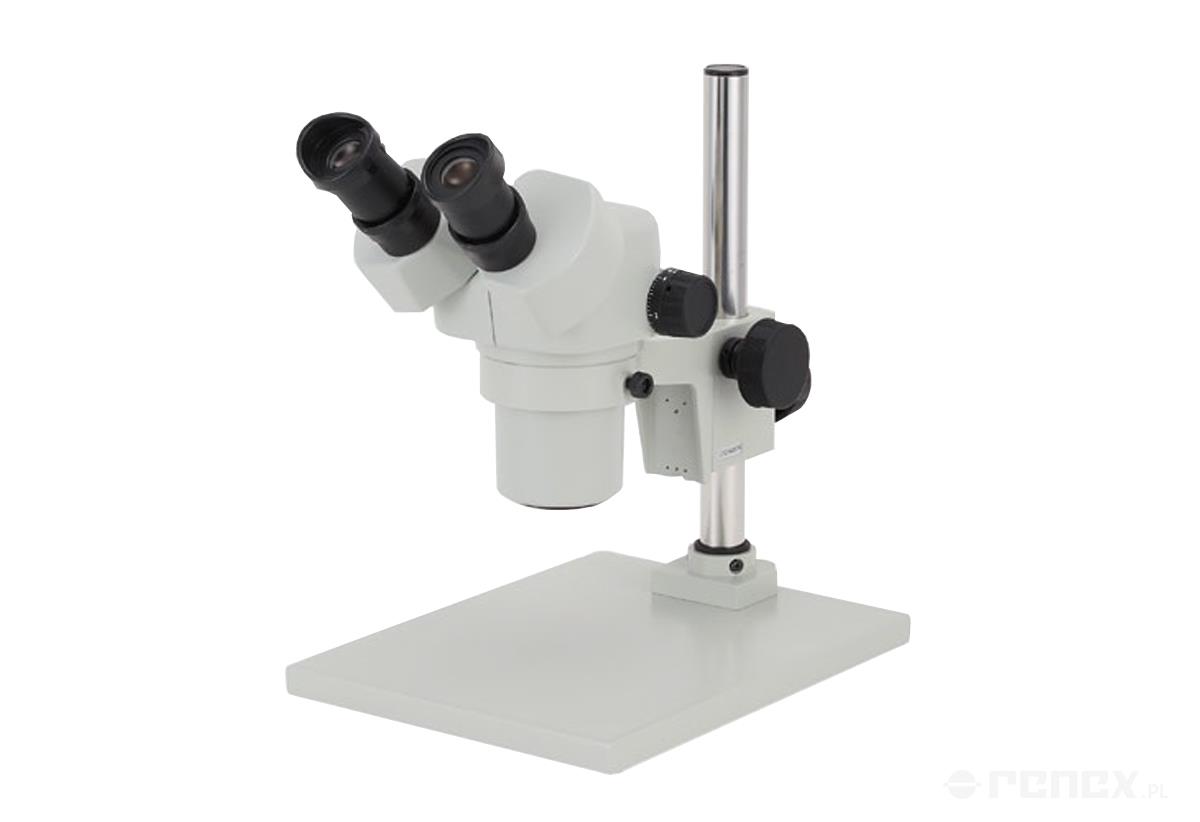
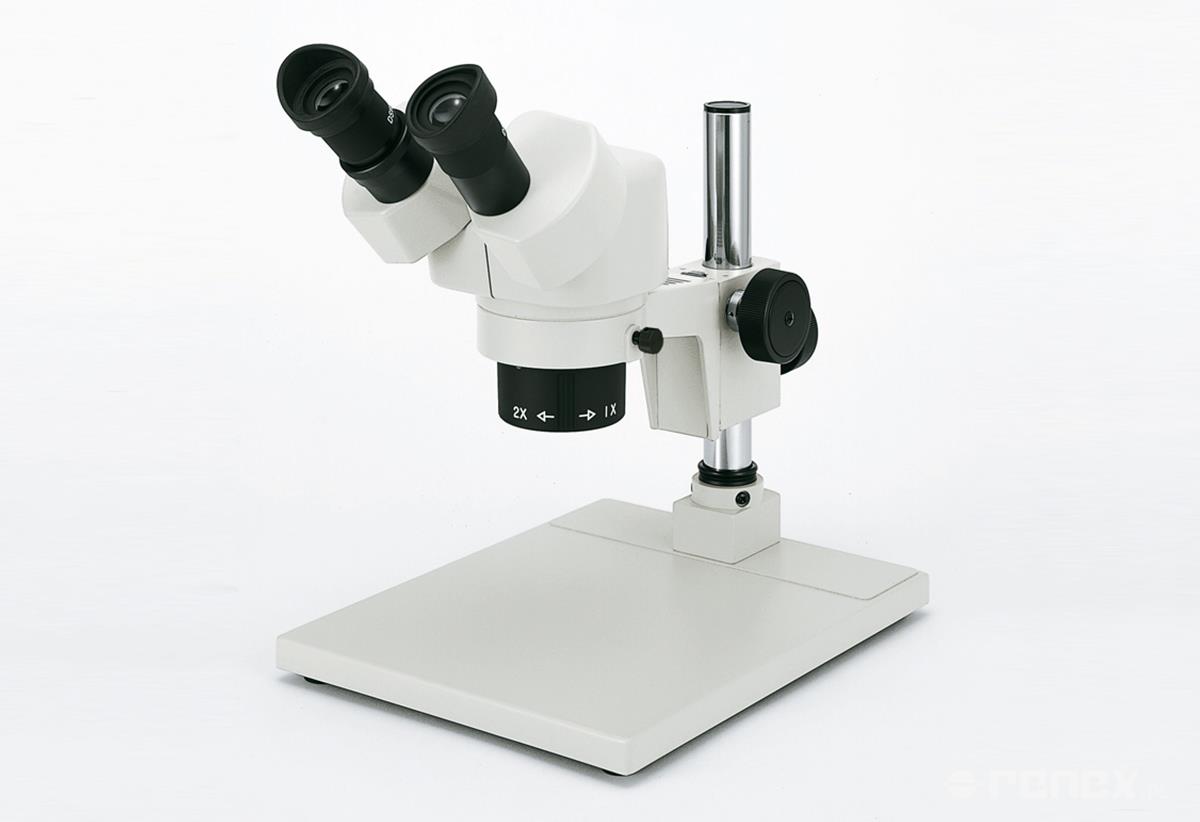
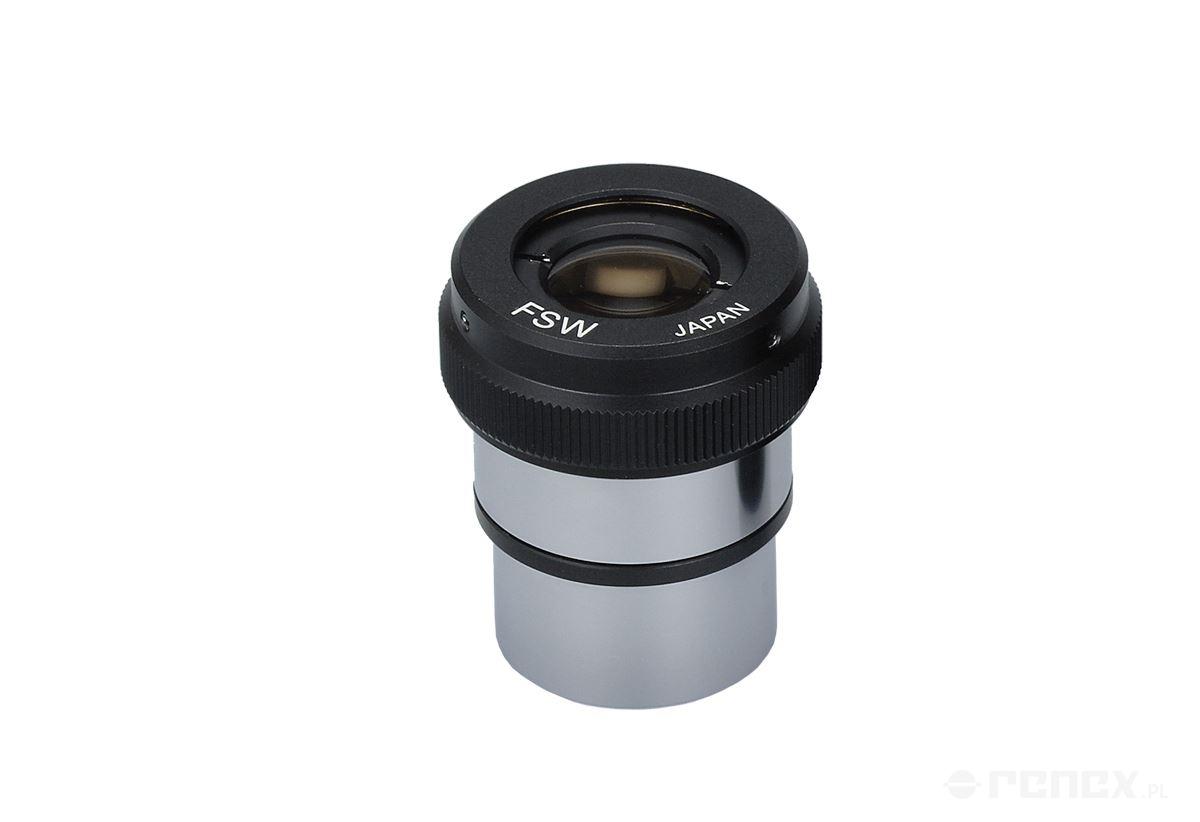
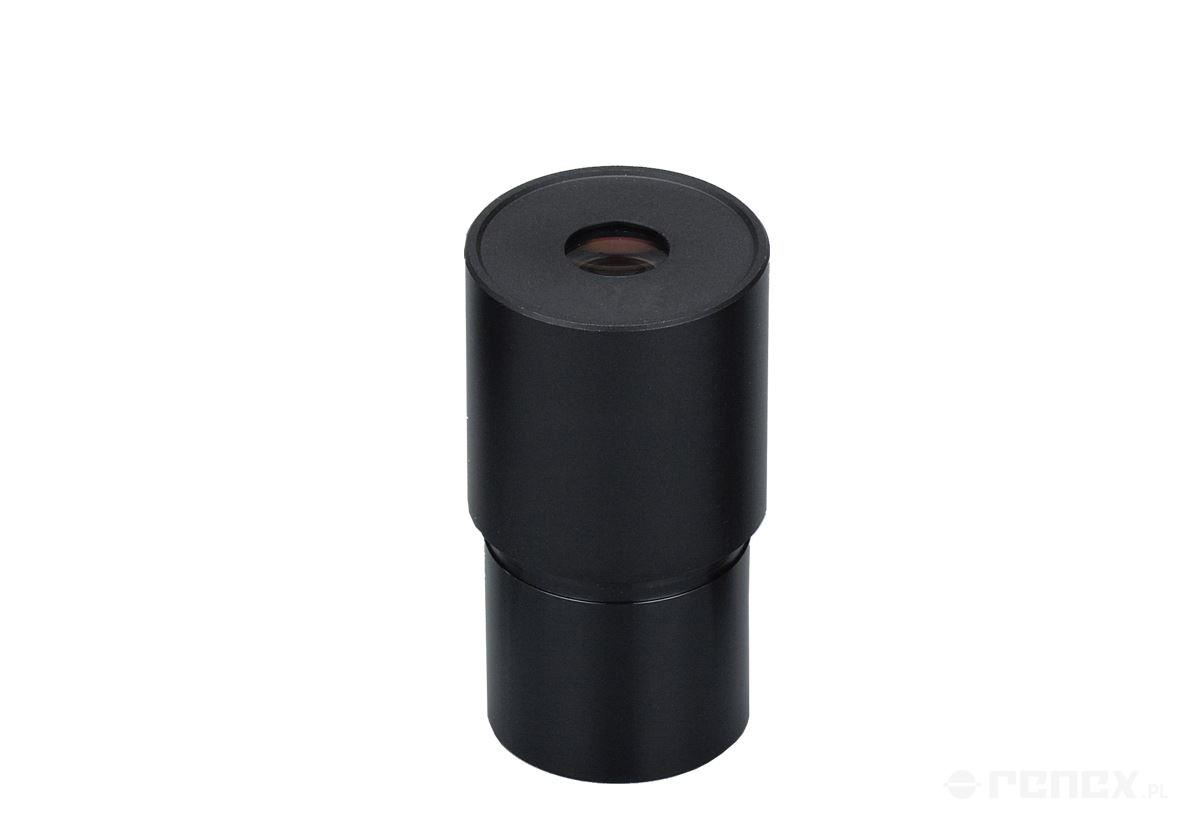
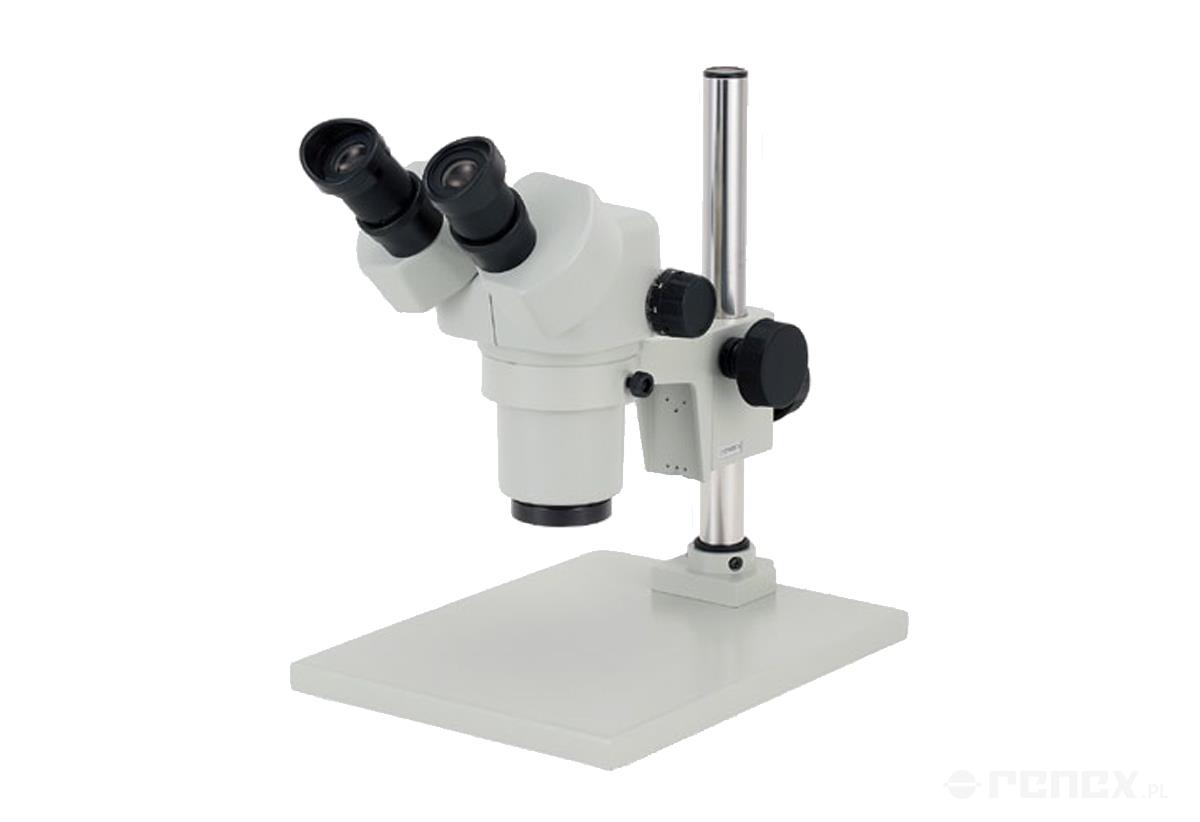
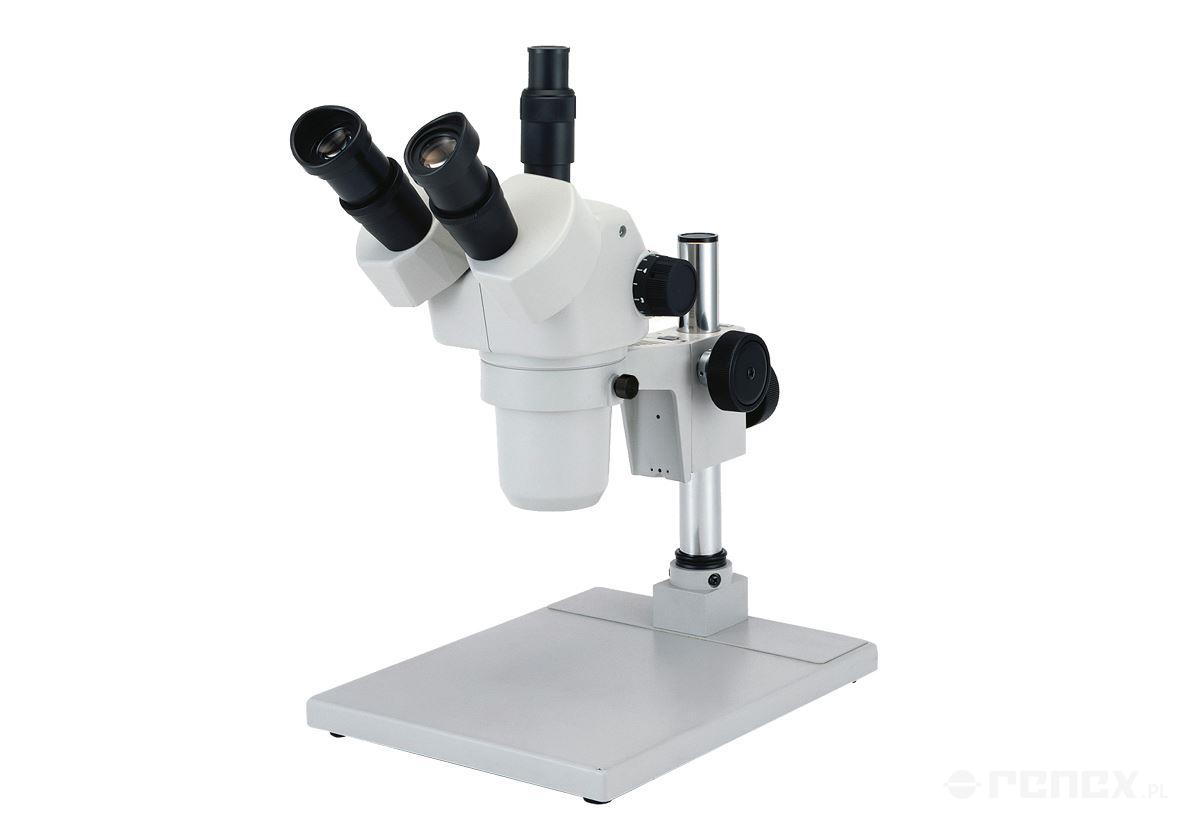
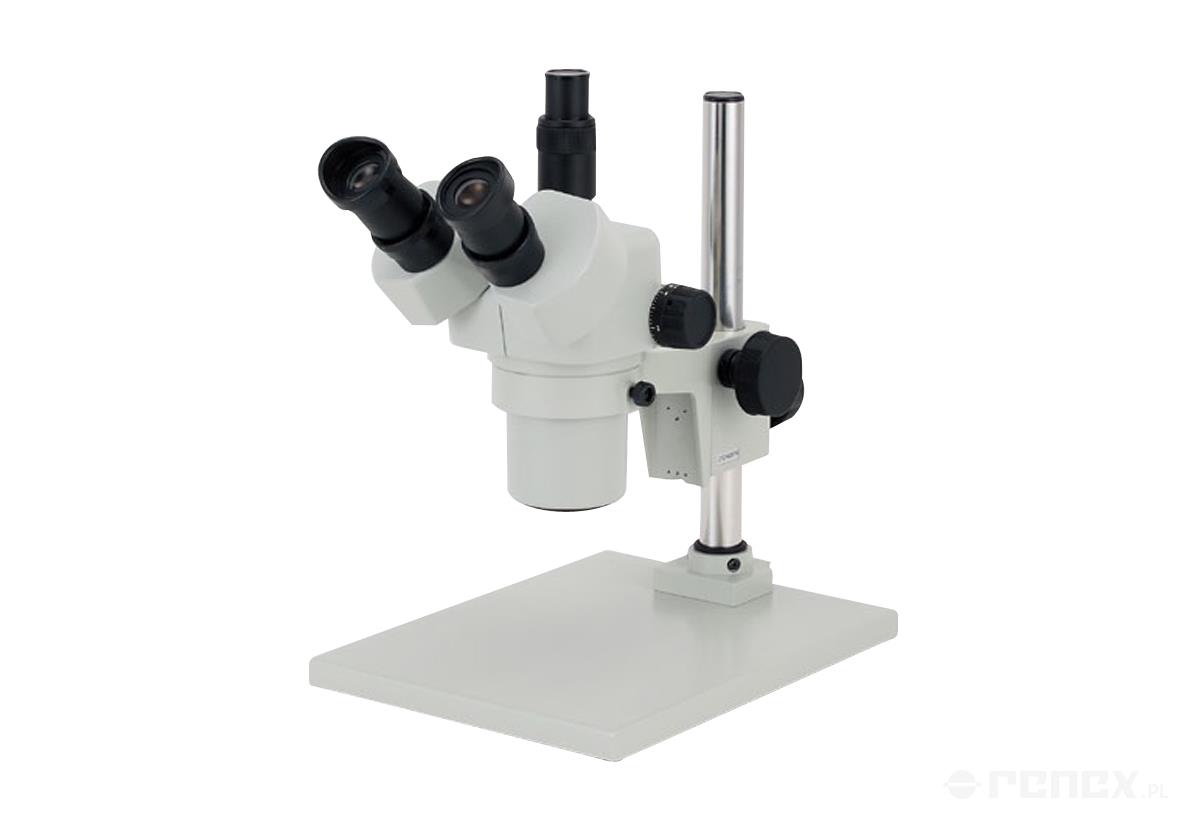
Stereoscopic systems, also known as stereo microscopes or stereoscopic magnifiers, are optical instruments used for three-dimensional observation and analysis of samples. They provide a stereoscopic image, allowing better perception of depth and spatial relationships within the observed object. Below are several key facts about stereoscopic systems:
Operating principle: Stereoscopic systems use two separate optical paths to observe the sample from different angles. The images from both paths are viewed simultaneously by the operator, creating a three-dimensional effect. These images may be generated by two independent optical systems or by dedicated optical arrangements such as prisms or beam-splitting mirrors.
Three-dimensional observation: Stereoscopic systems allow samples to be observed in 3D, making it easier to understand their structure, shape and spatial relationships. This is particularly useful in fields such as biology, entomology, microelectronics, micromechanics, jewellery, archaeology, watch repair, precision industry and many others, where accurate examination of three-dimensional details is essential.
Low magnification: Stereoscopic systems typically offer lower magnification than conventional optical microscopes. Typical magnification ranges from several times up to several dozen or even several hundred times, depending on the system. This makes them especially suitable for examining larger objects such as electronic components, tools, minerals, fossils or plants.
Ergonomics: Stereoscopic systems are generally designed to provide comfortable and ergonomic viewing conditions. They feature objectives with long working distances, allowing free sample handling and tool manipulation during observation. In some cases, they may also include additional features such as adjustable lighting, the option to connect cameras or imaging devices, or interfaces for computer integration.
Applications: Stereoscopic systems are used in many fields, including biology, geology, metallurgy, electronics, jewellery, model making, micromechanics, watch repair, precision manufacturing, archaeological research, quality control, production and education. They are particularly valuable wherever accurate examination of three-dimensional details and direct sample manipulation are required.
Stereoscopic systems are an indispensable tool in many industries and technical fields where precise three-dimensional sample observation is essential. They provide comfortable, ergonomic and accurate inspection, enabling a better understanding of the structure and characteristics of the observed objects.