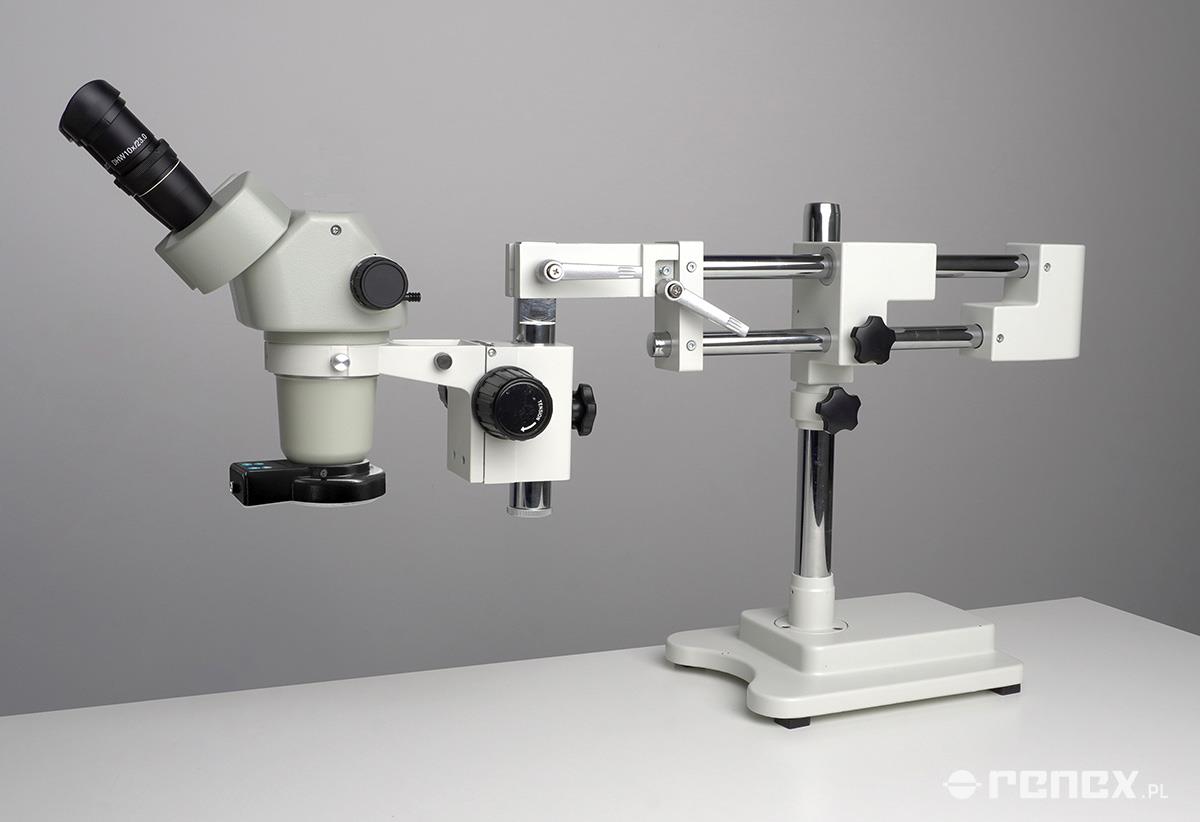
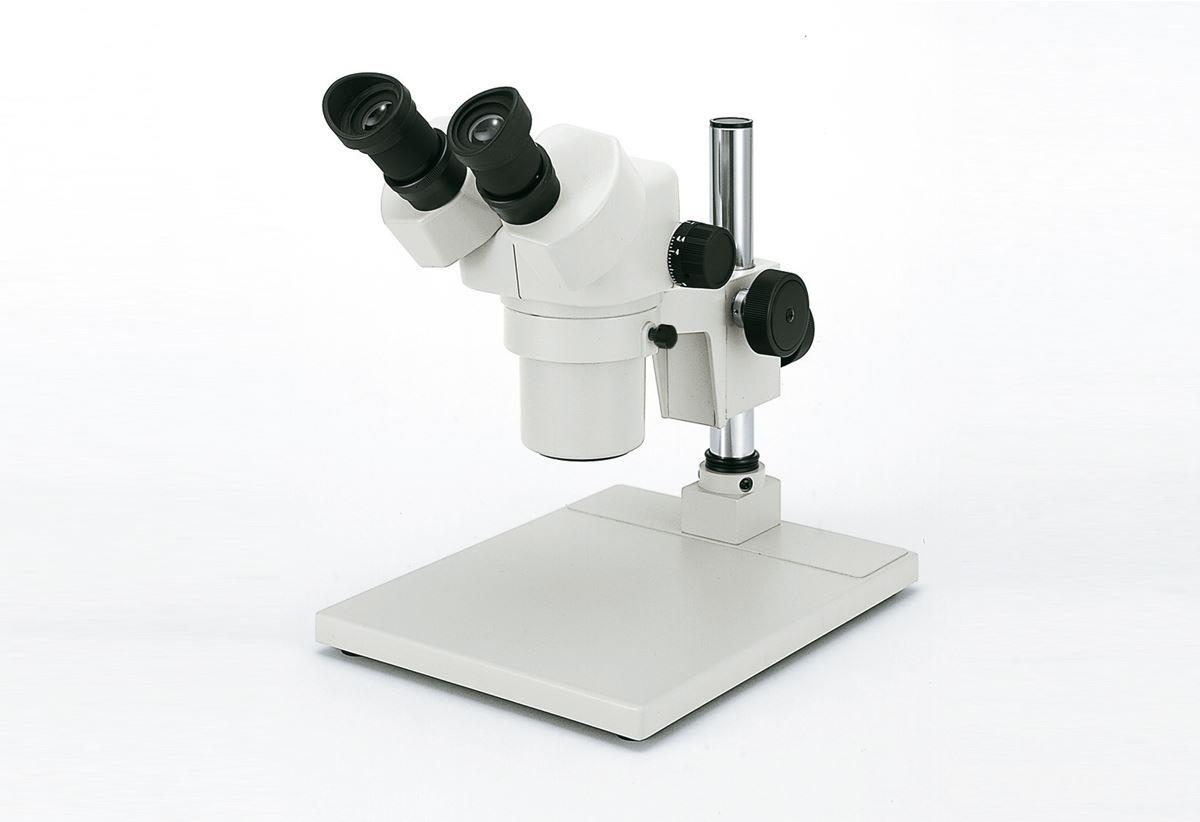
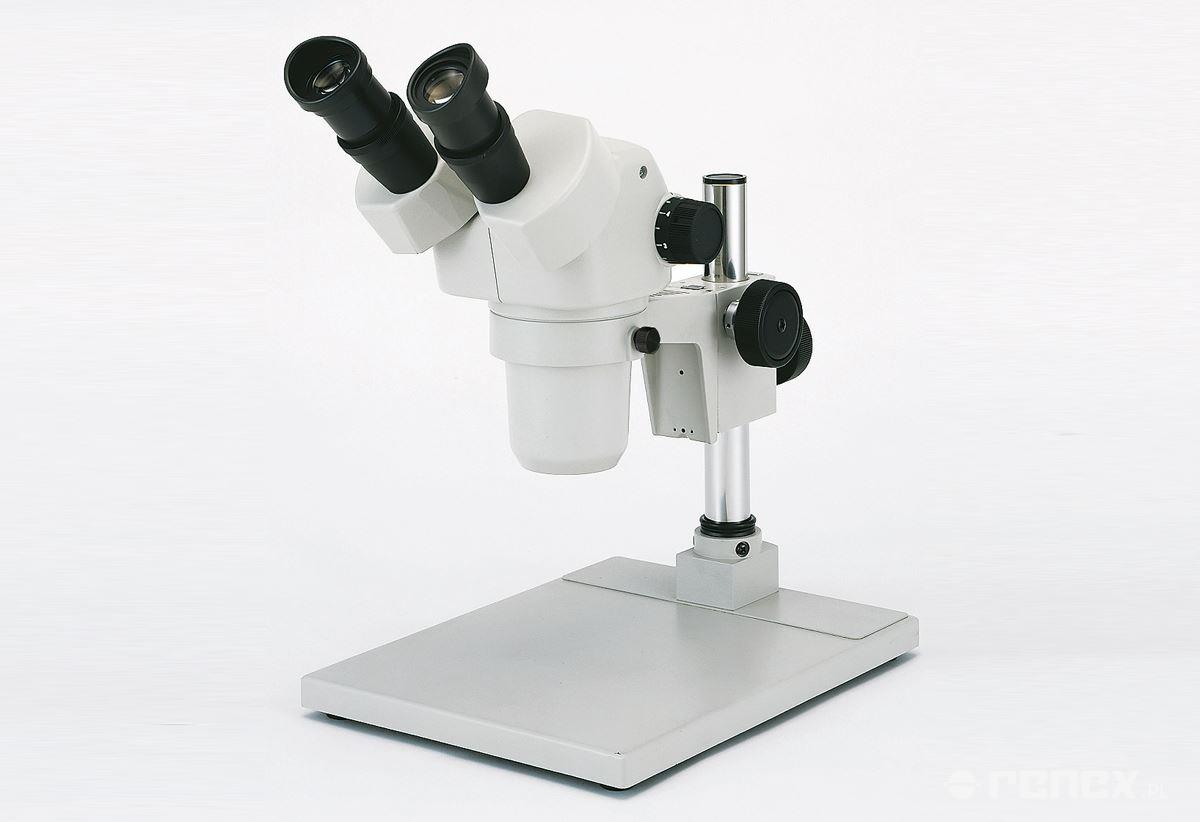
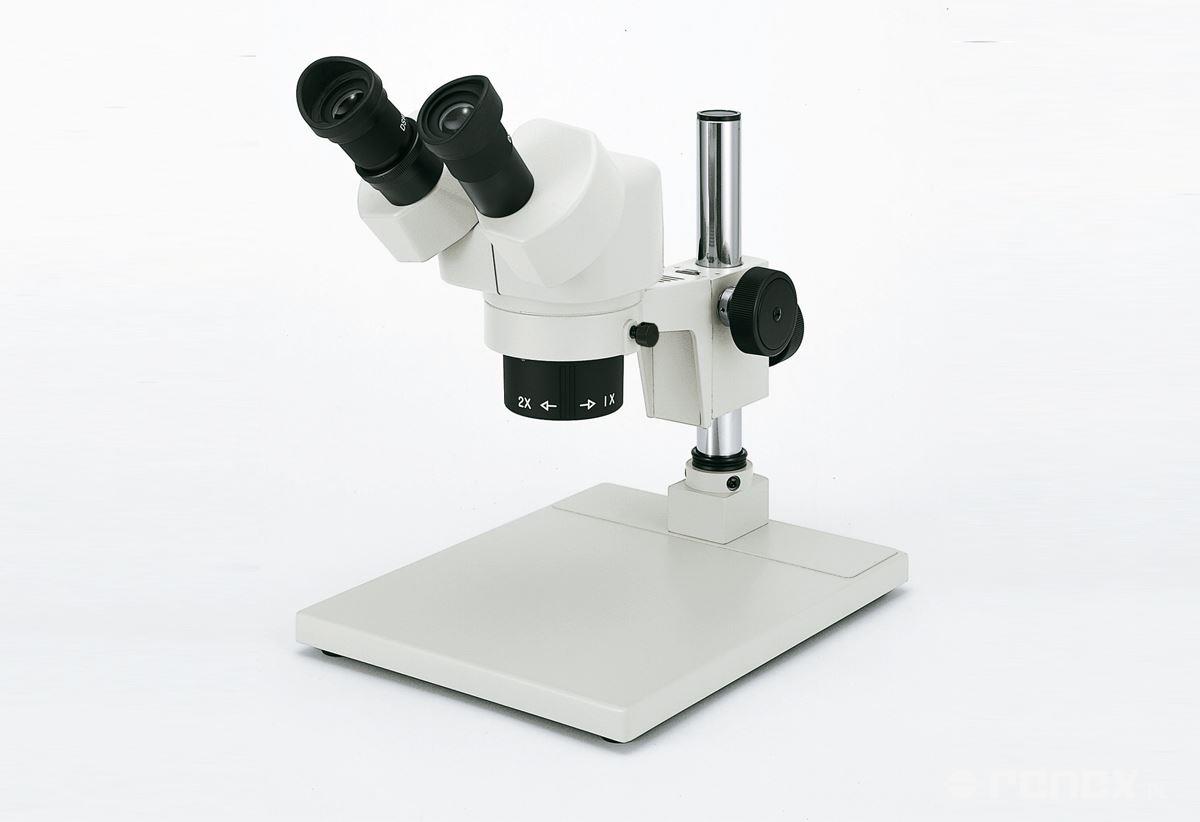
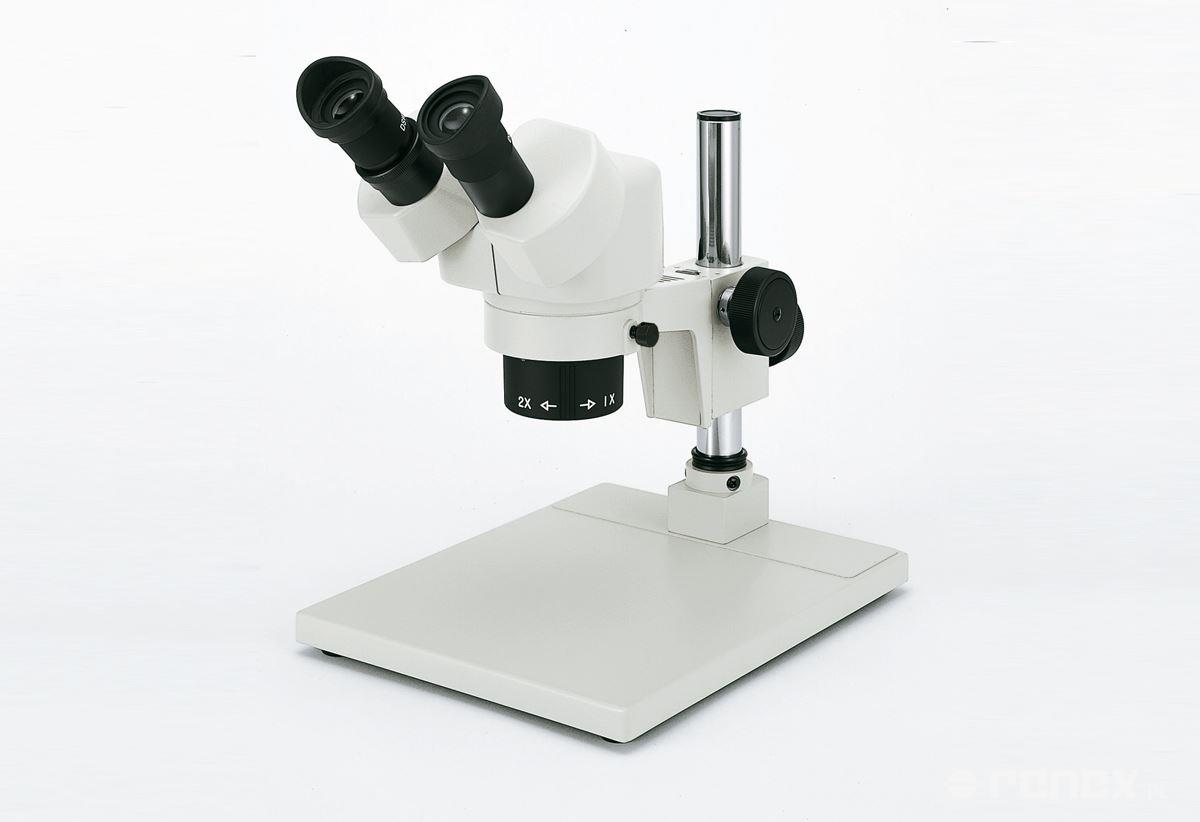
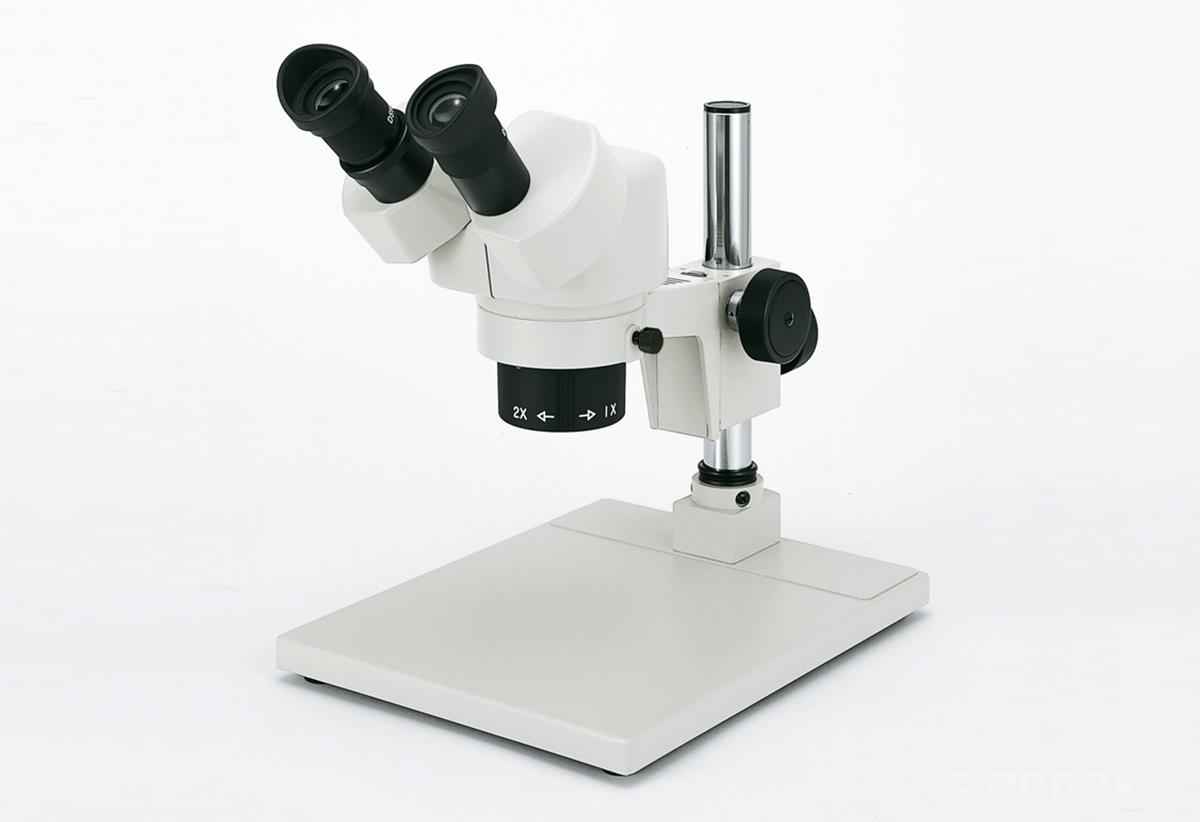
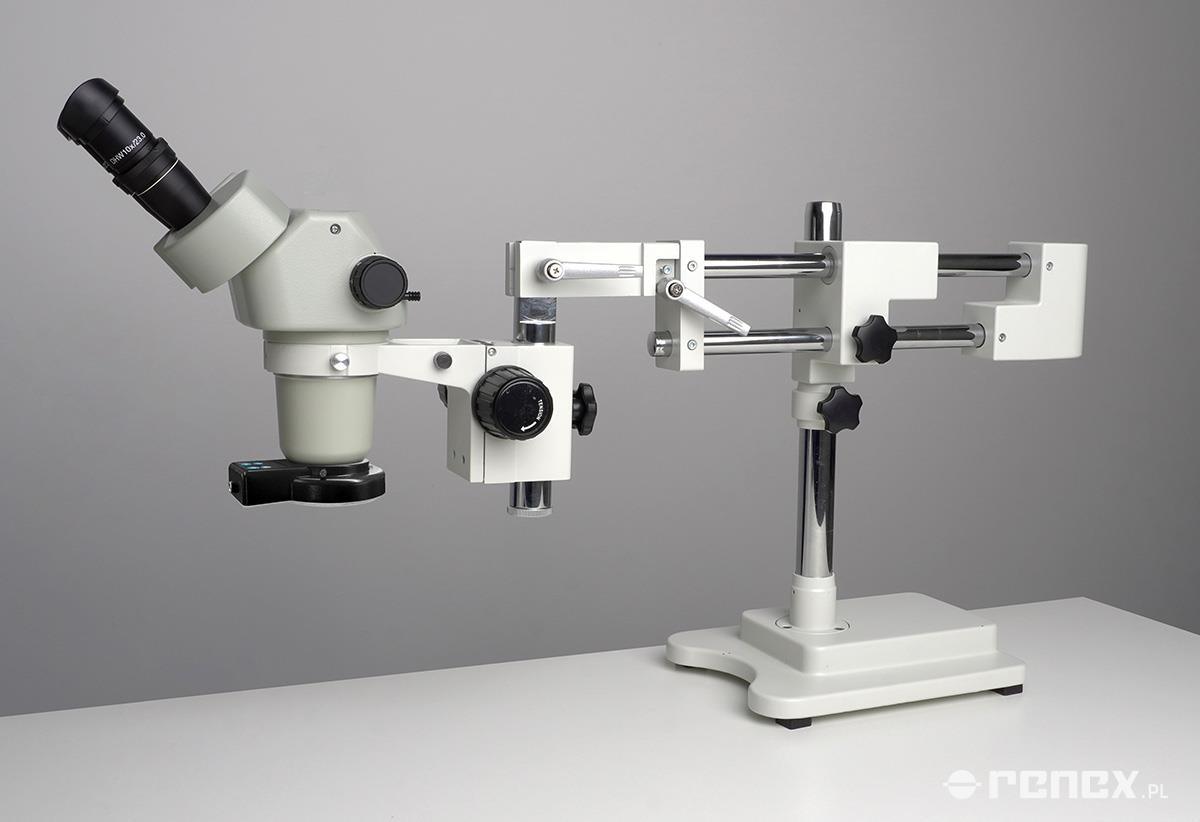
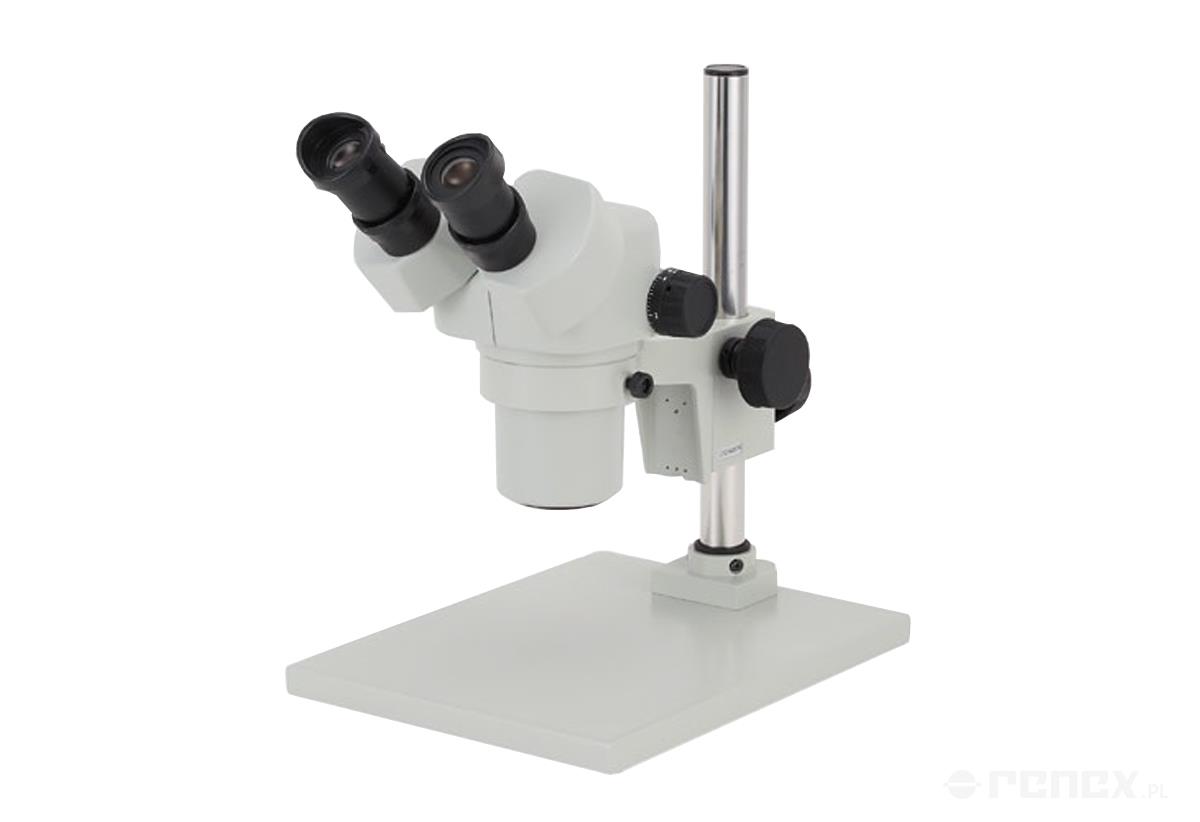
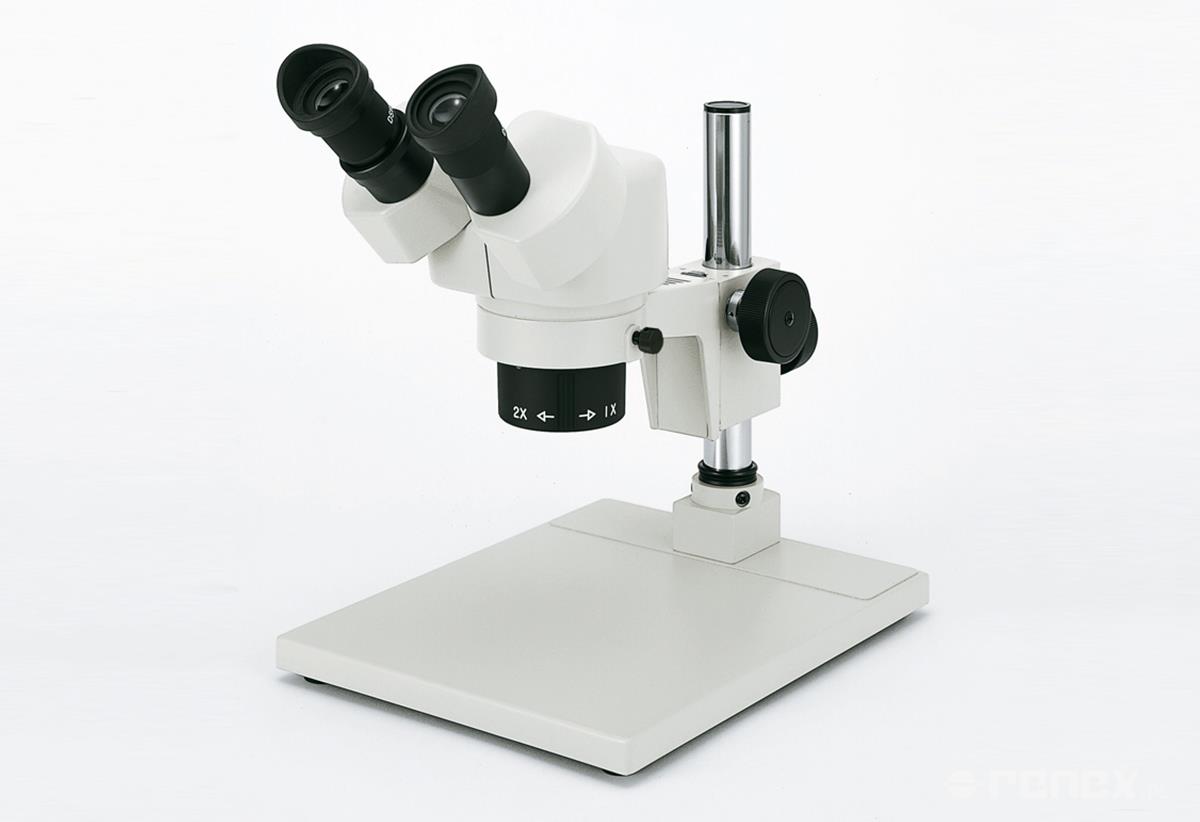
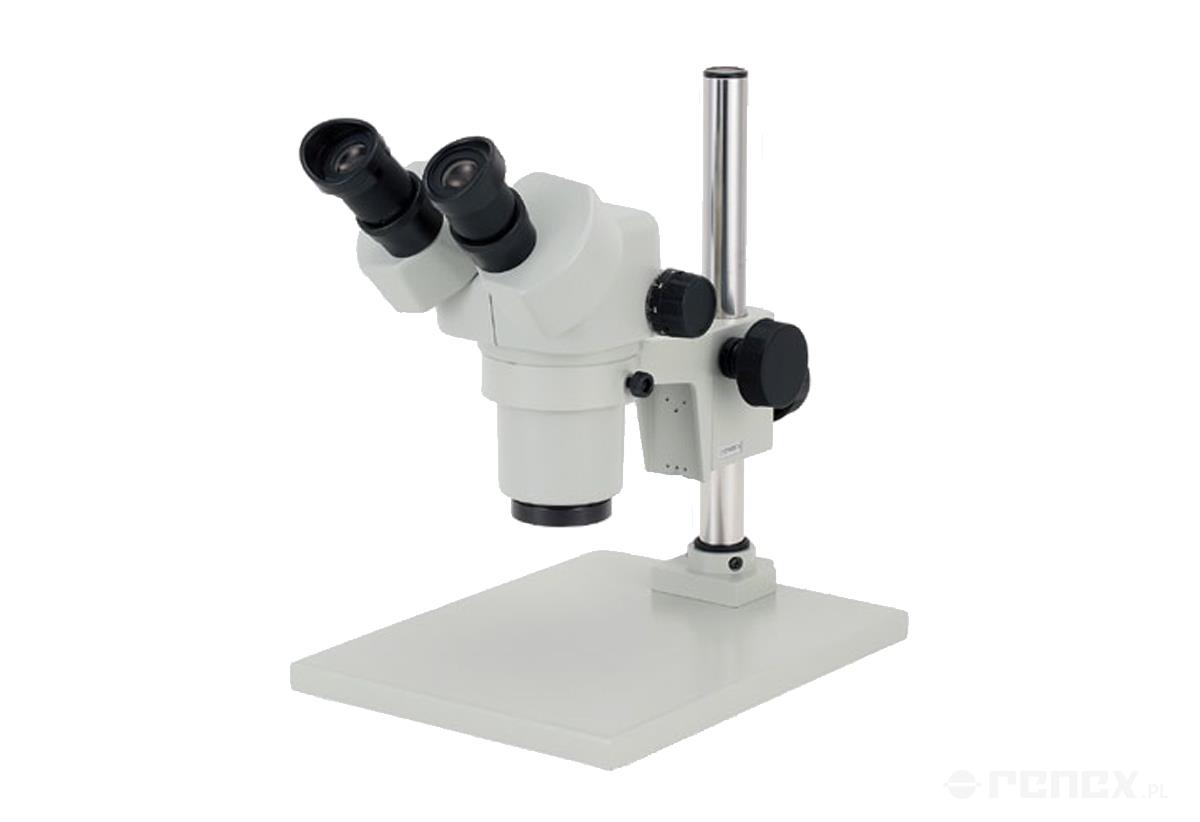
Stereo microscopes have opened many doors in science. Thanks to the use of microscopes, scientists, researchers and students have been able to discover the existence of microorganisms, study cell structures and observe the smallest parts of plants, animals and fungi.
In biology, microscopes are particularly important because this field is largely focused on the study of cells (and their contents), genes and living organisms. Some organisms are so small that they can only be observed at magnifications of 40x to 1000x, which can only be achieved with a microscope. Cells are far too small to be seen with the naked eye.
Stereo microscopes are used not only for observing cells and their structure, but also across many industrial sectors. For example, electron microscopes help create and inspect extremely fine electrical circuits found on silicon microprocessors. Scanning microscopes are significantly more advanced and offer higher magnification than light-based microscopes.
How to choose a stereo microscope?
There are two main types of microscopes: optical microscopes and electron microscopes. So which should you choose – an optical microscope or an electron microscope? The main difference between these two types lies in the way the sample is prepared and how the image is generated. This directly affects image quality, including magnification level and whether the image is shown in colour or black and white.
OPTICAL MICROSCOPE:
An optical microscope, also known as a light microscope, is a type of microscope that uses visible light and a system of lenses to generate magnified images of small objects.
The object is placed on the stage and can be observed directly through one or two eyepieces. In high-power microscopes, both eyepieces usually display the same image. In an optical microscope, the sample is placed on a glass slide and illuminated with light rays:
Resolution is on the order of 200 nanometres.
It is possible, for example, to observe an entire cell.
However, magnification is relatively limited, which means details smaller than 200 nanometres cannot be observed.
Eyepieces for stereo microscopes
Monocular microscopes:
The sample is observed with only one eye.
They are cost-effective.
They are not suitable for prolonged observation.
Binocular microscopes:
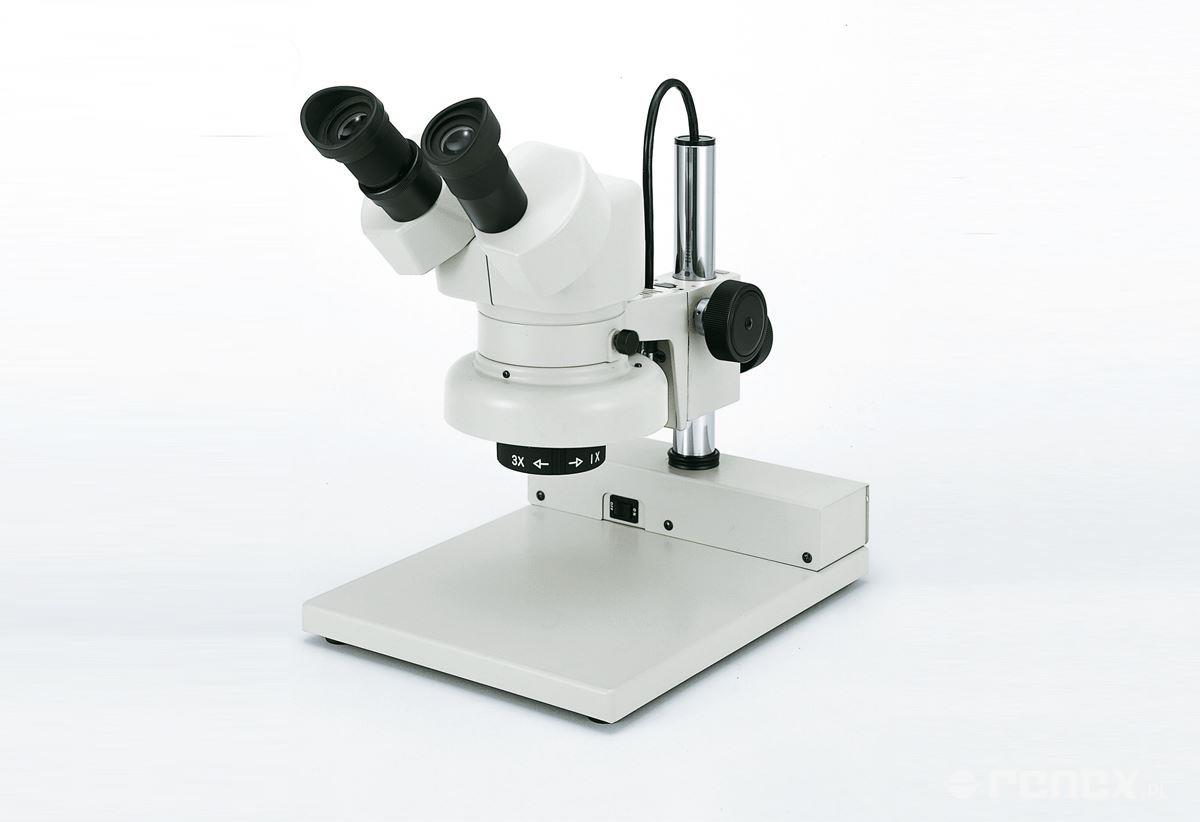
In these microscopes, the sample is observed with both eyes, which reduces eye and muscle fatigue.
They are suitable for long-term use.
Trinocular microscopes:
Both eyes are used for observation.
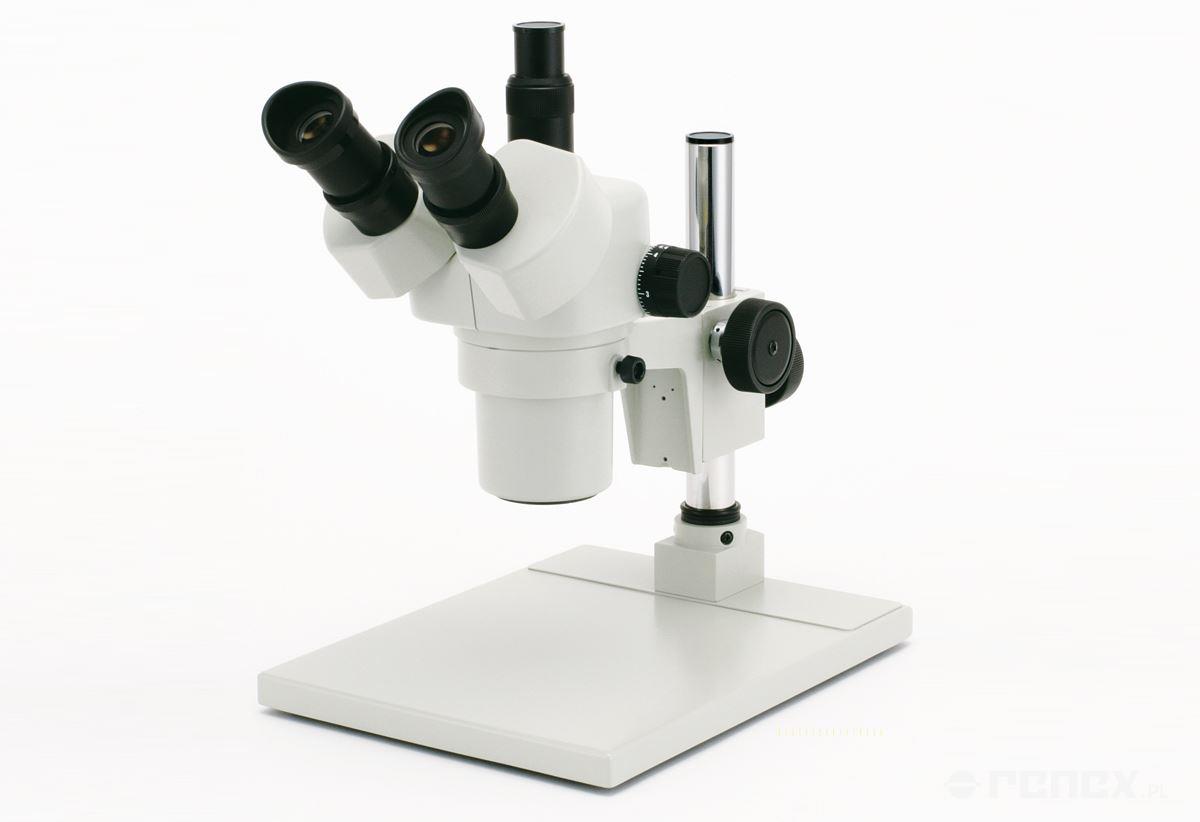
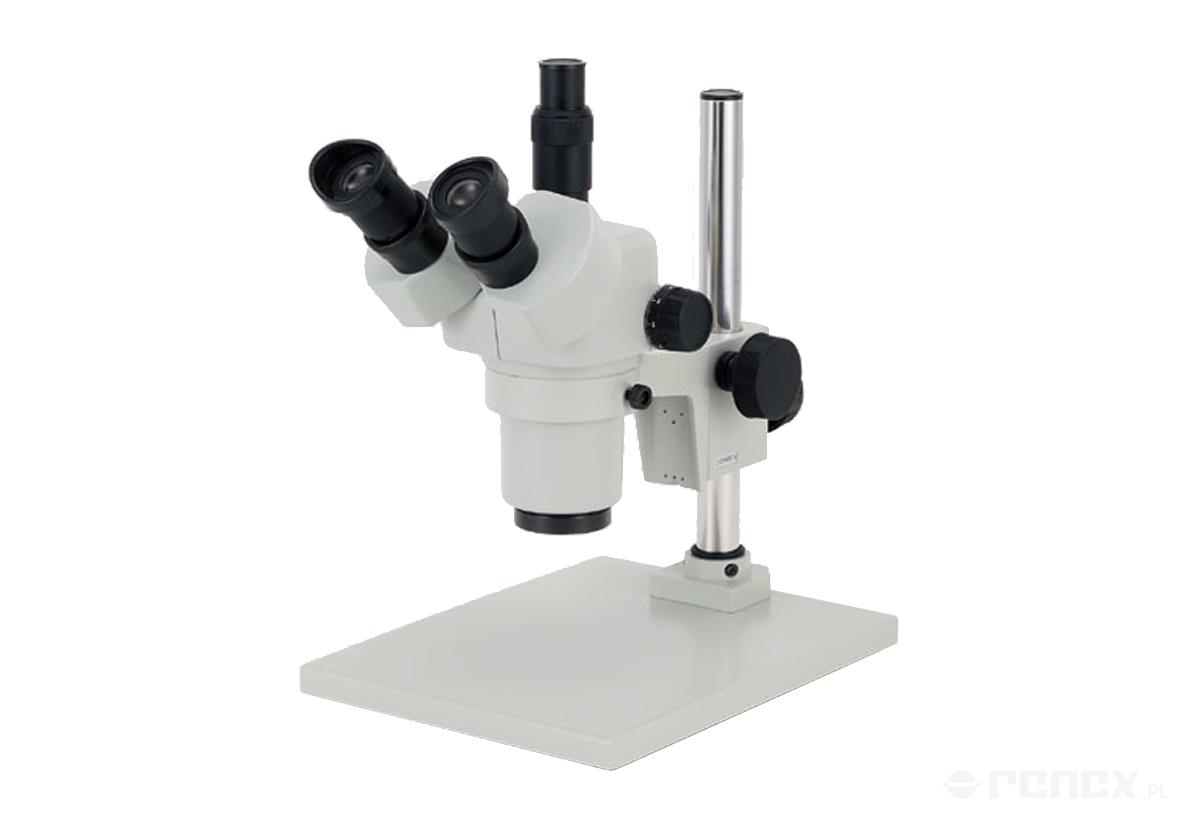
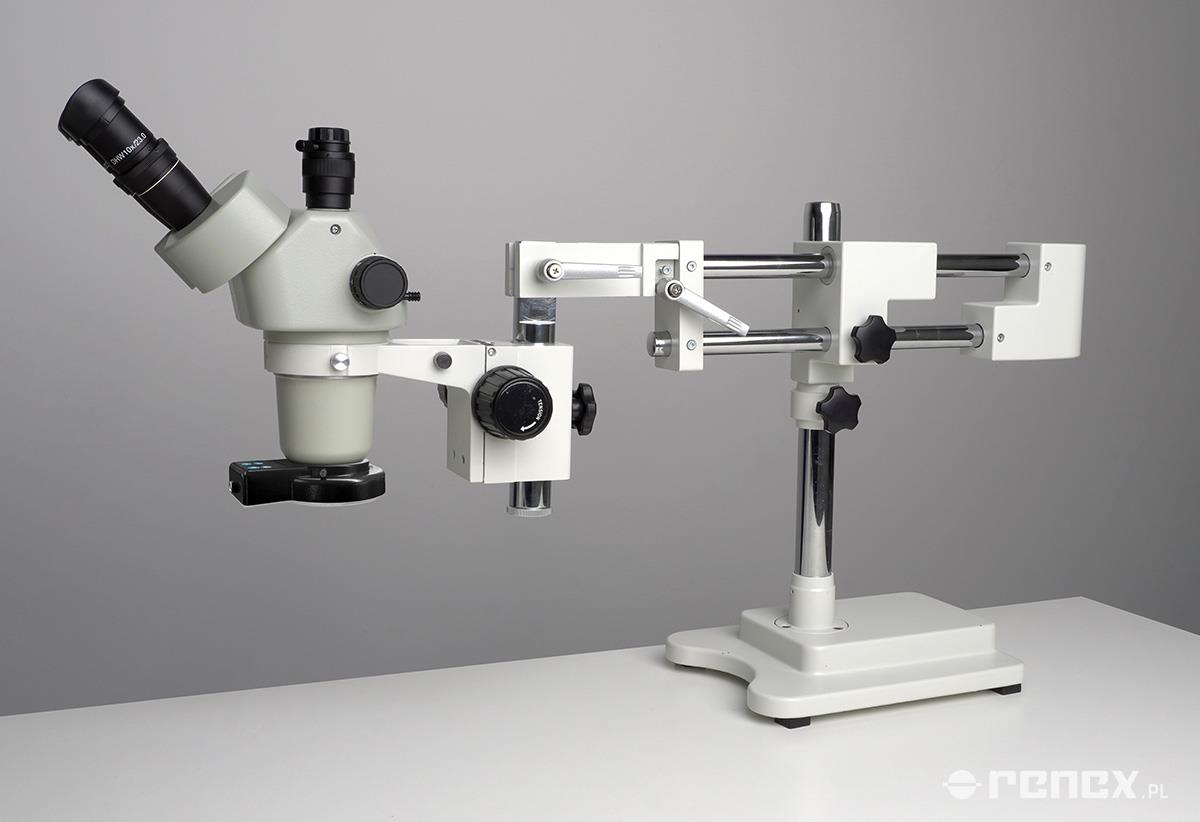
A camera is attached to the top of the microscope, acting as a kind of “third eye” for recording video and capturing observations.
They are mainly intended for advanced users who need imaging and documentation capabilities.
Digital microscopes:
They feature an LCD screen that allows several people to observe at the same time.
They are very convenient to use because observation takes place directly on the screen.