
Flux
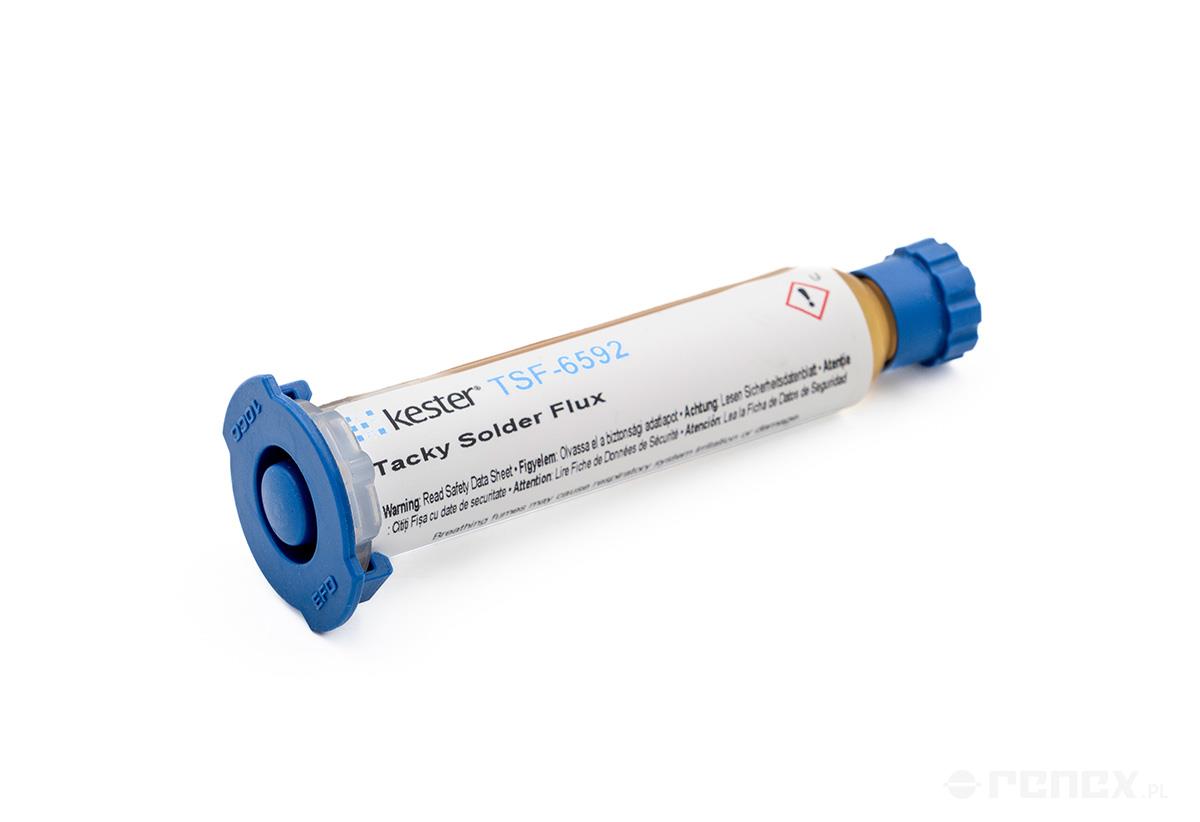
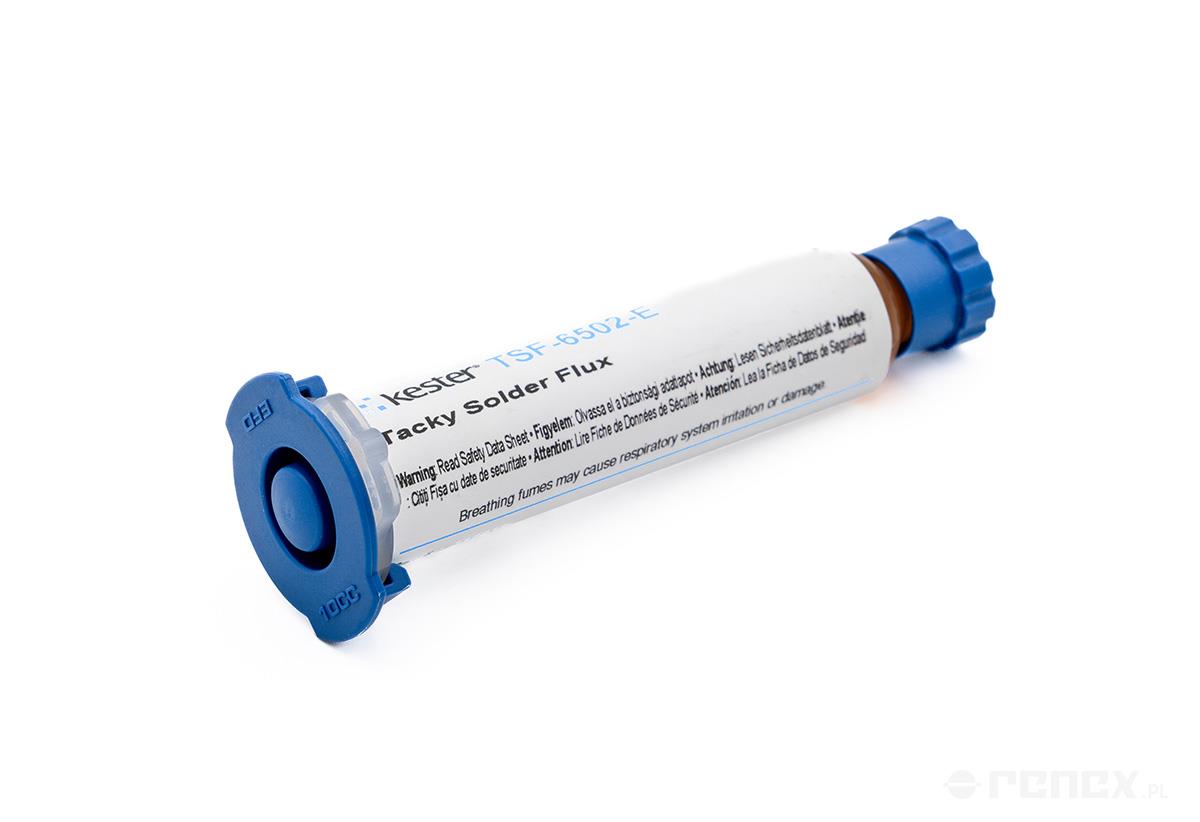
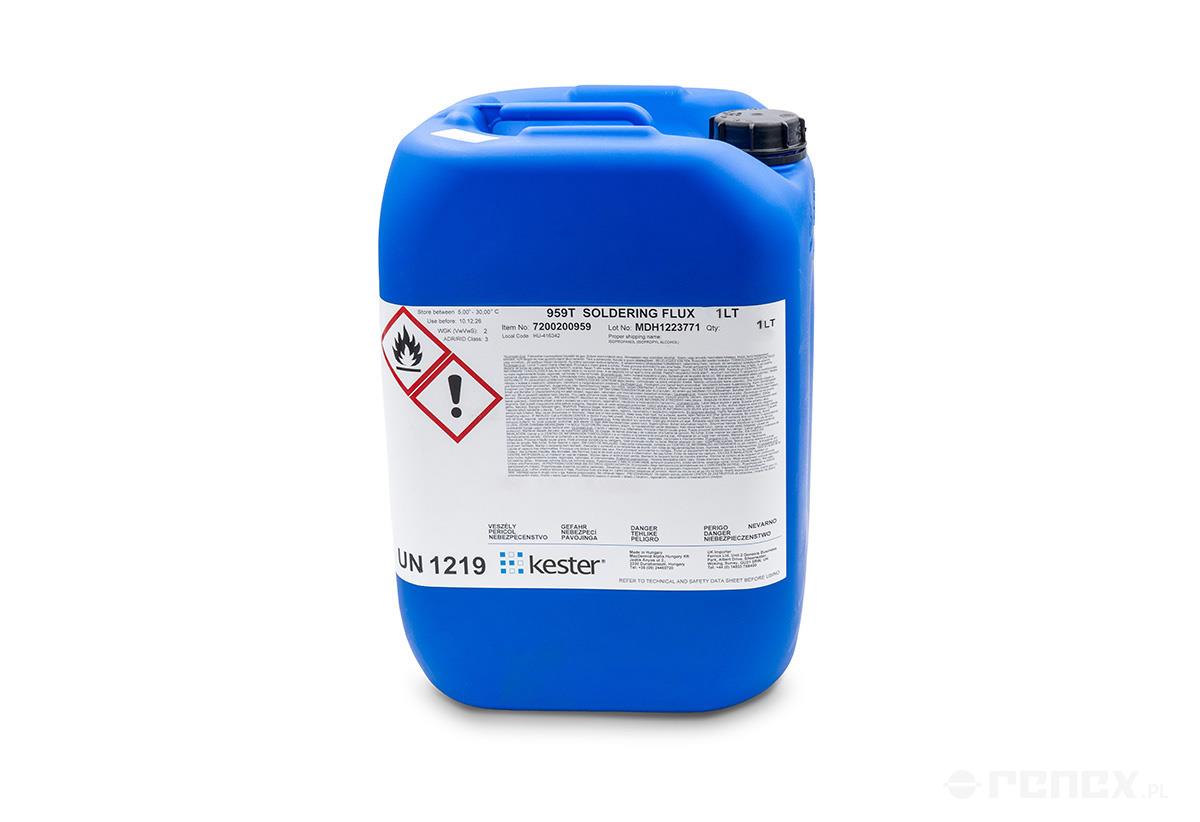

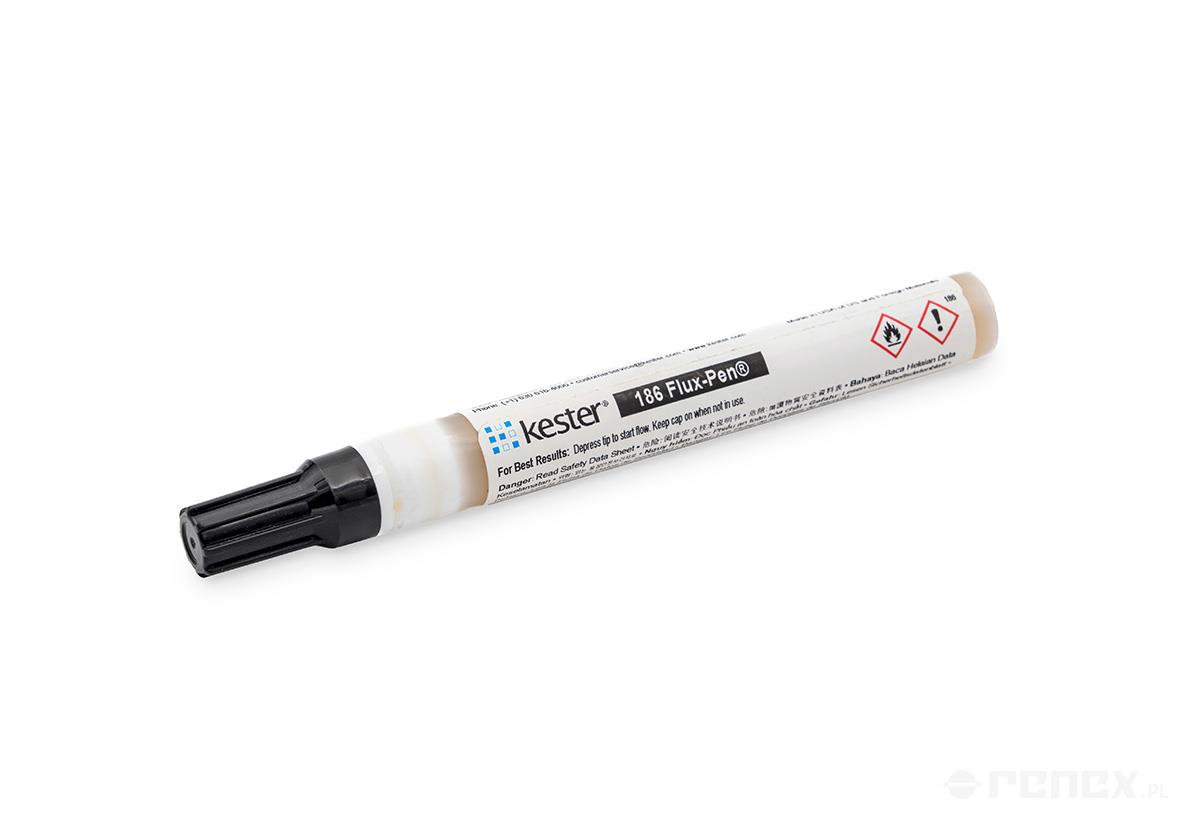
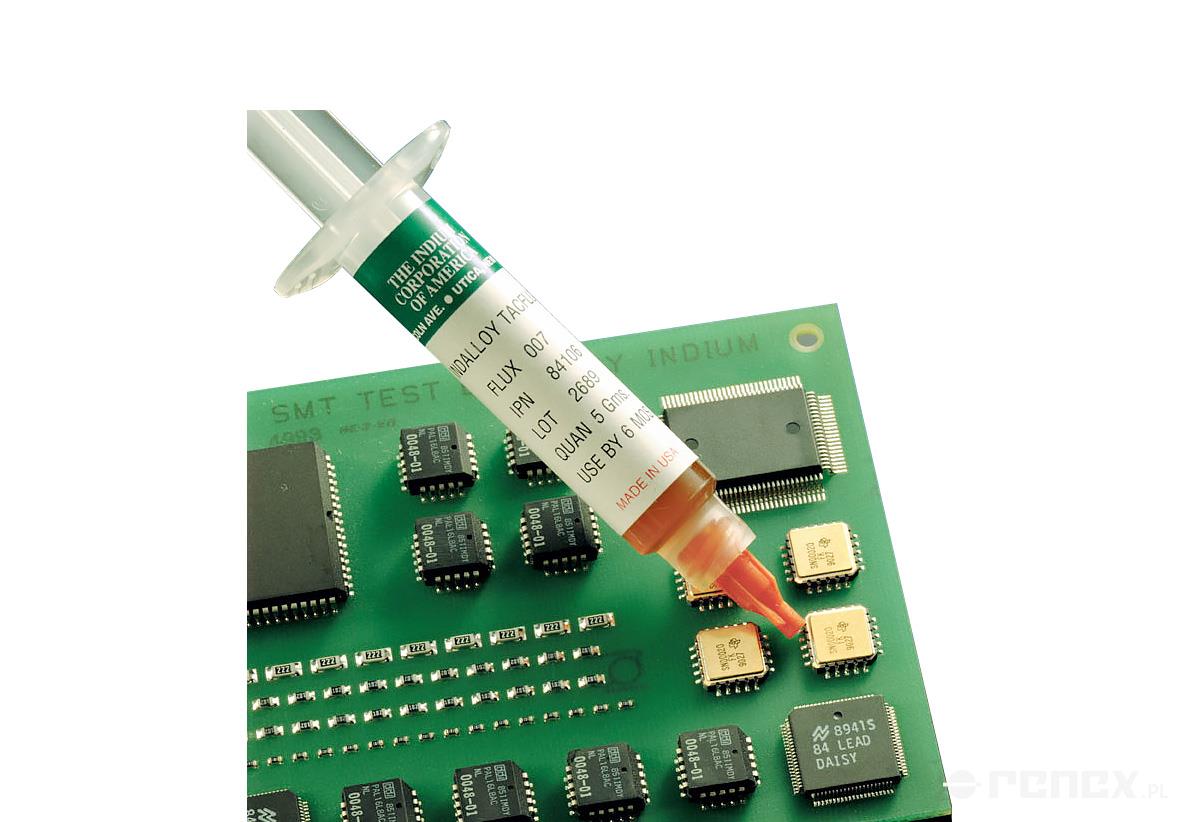
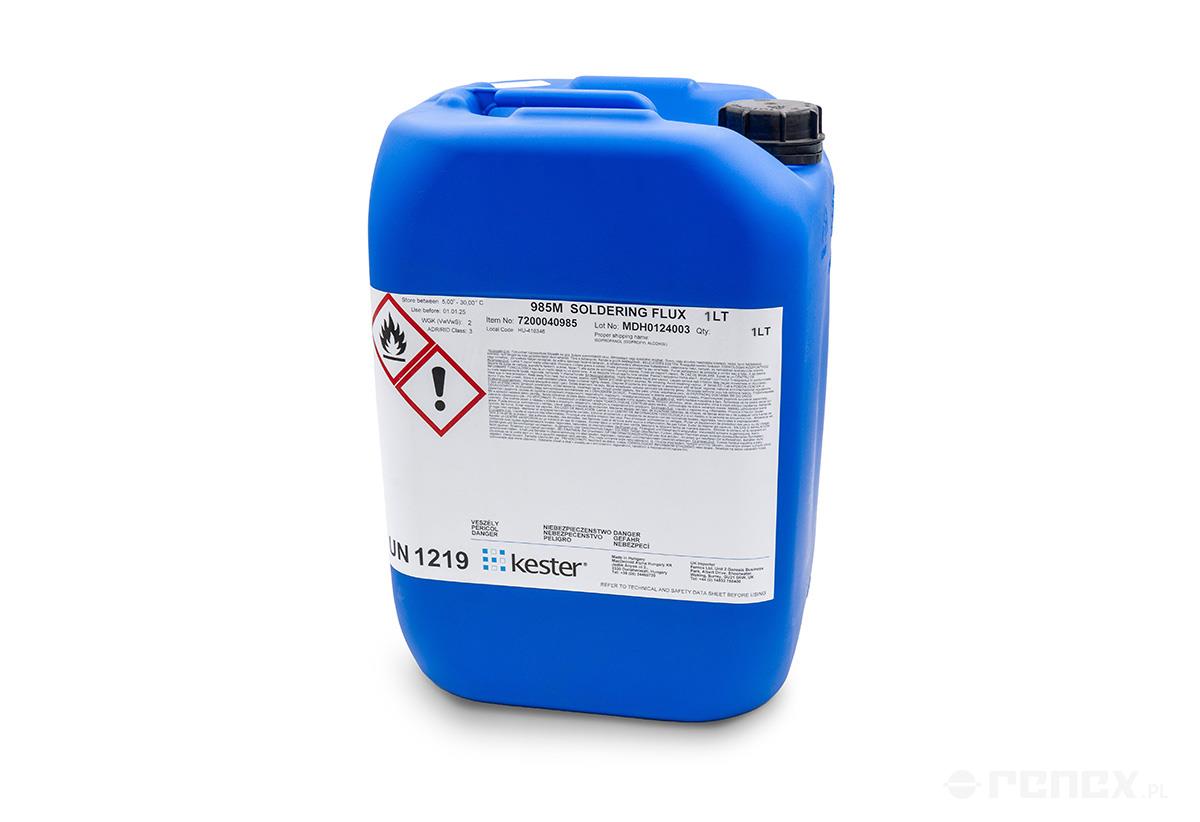
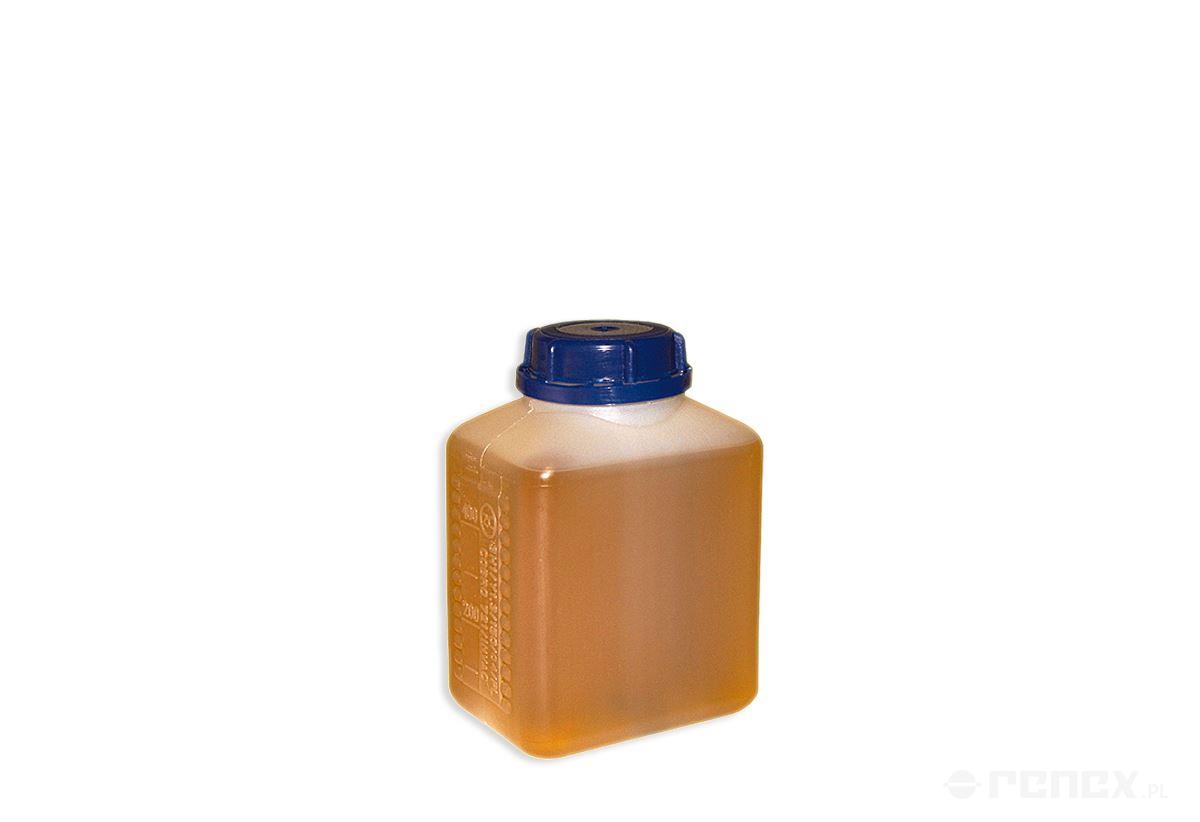
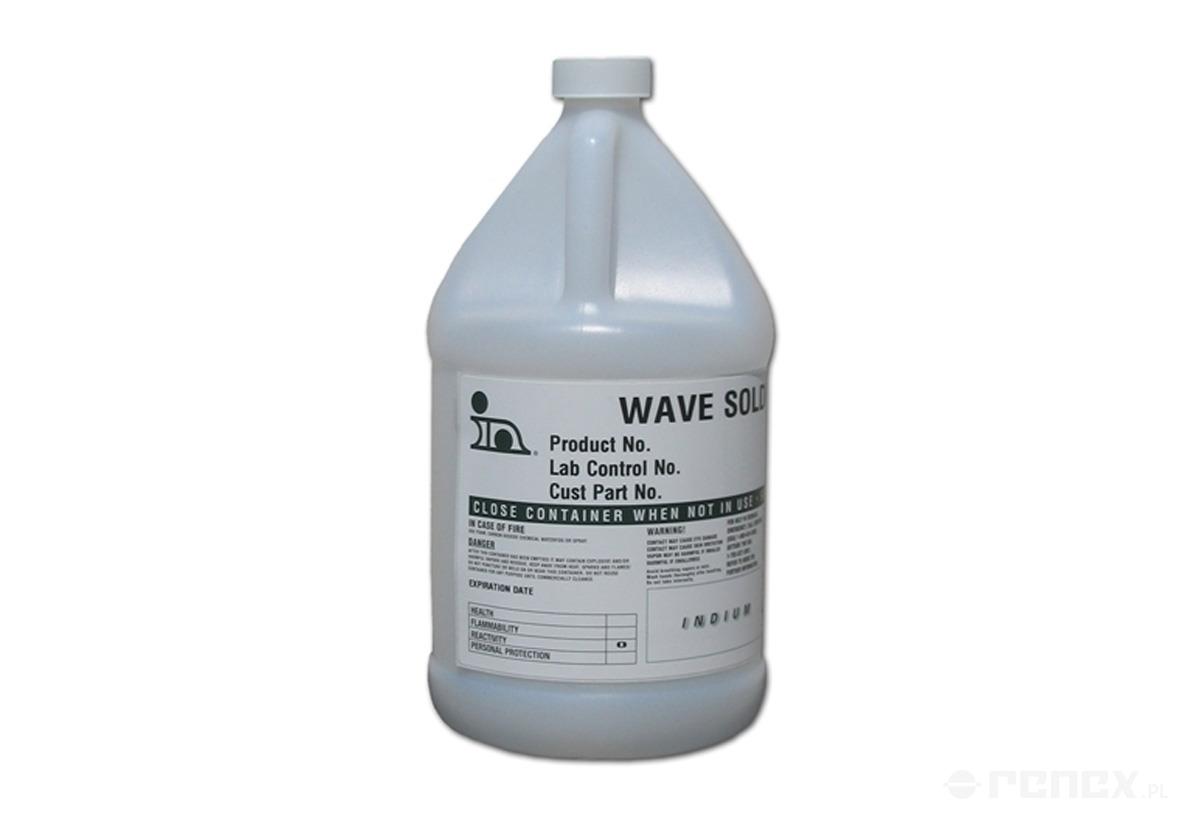
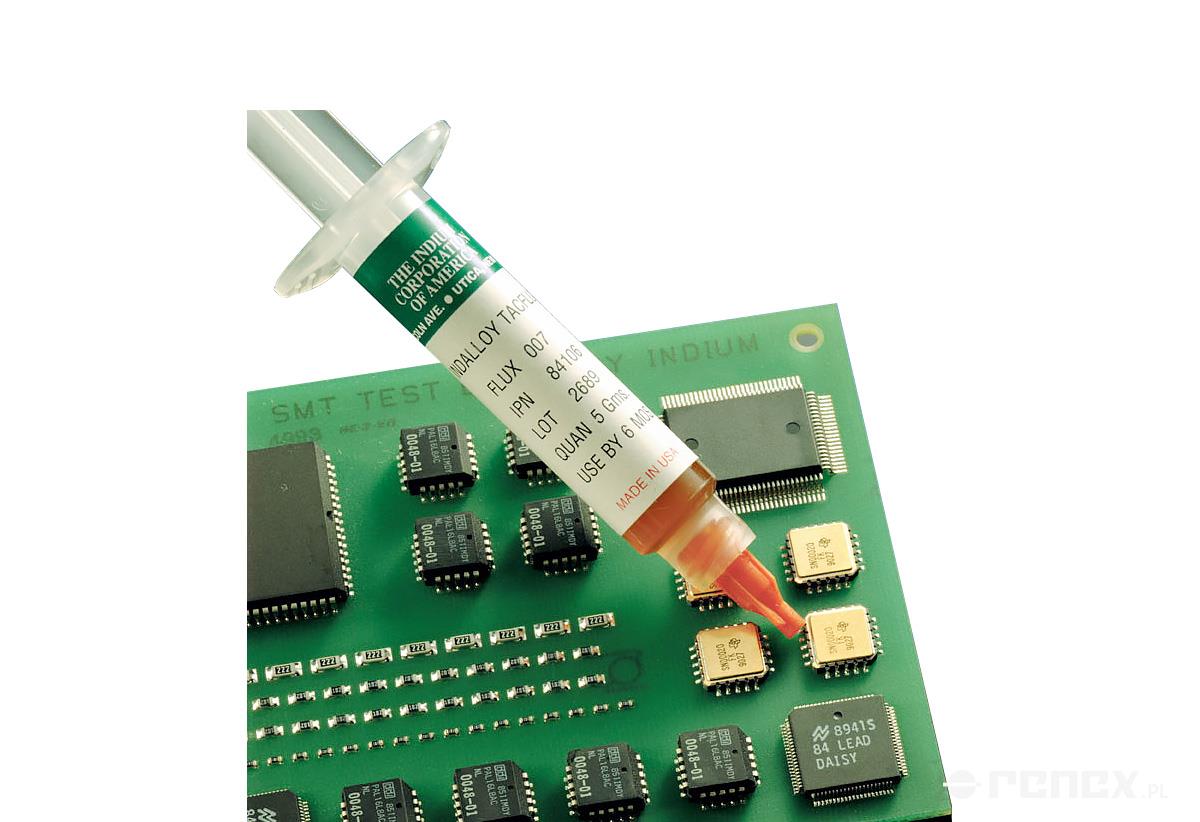

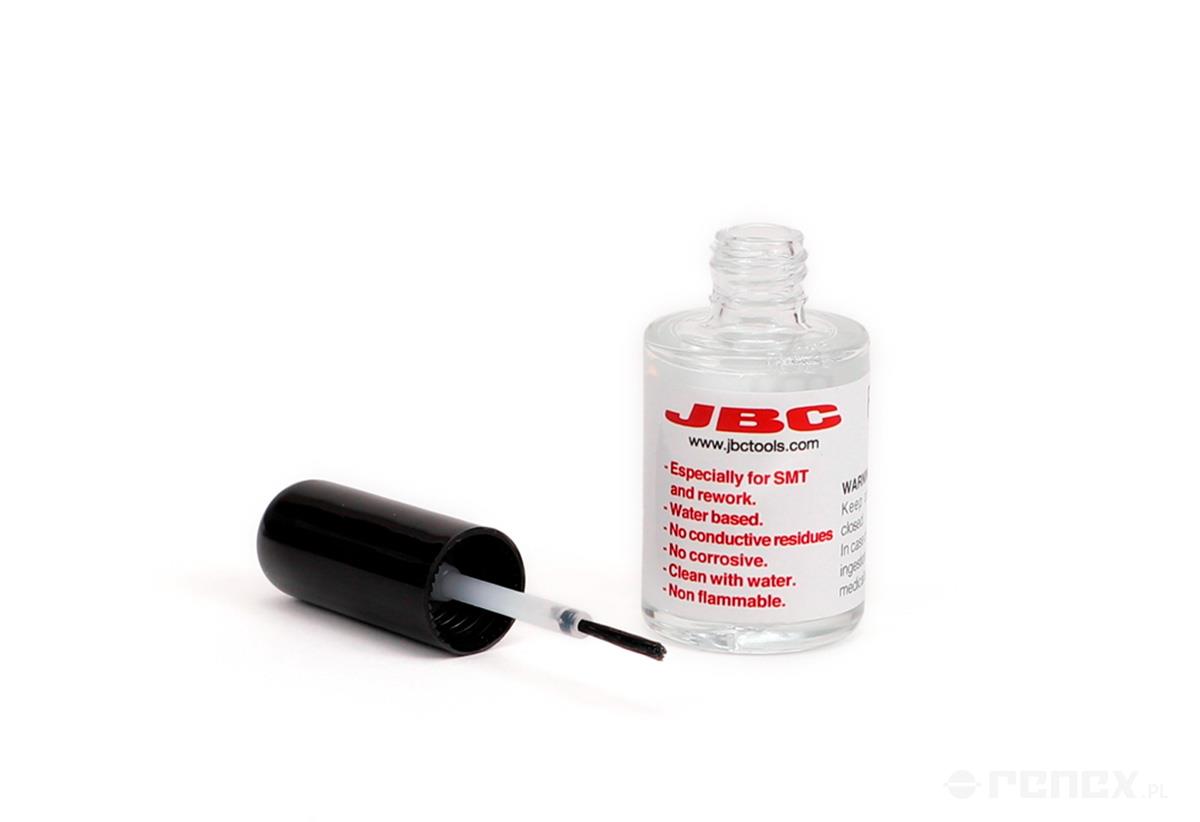
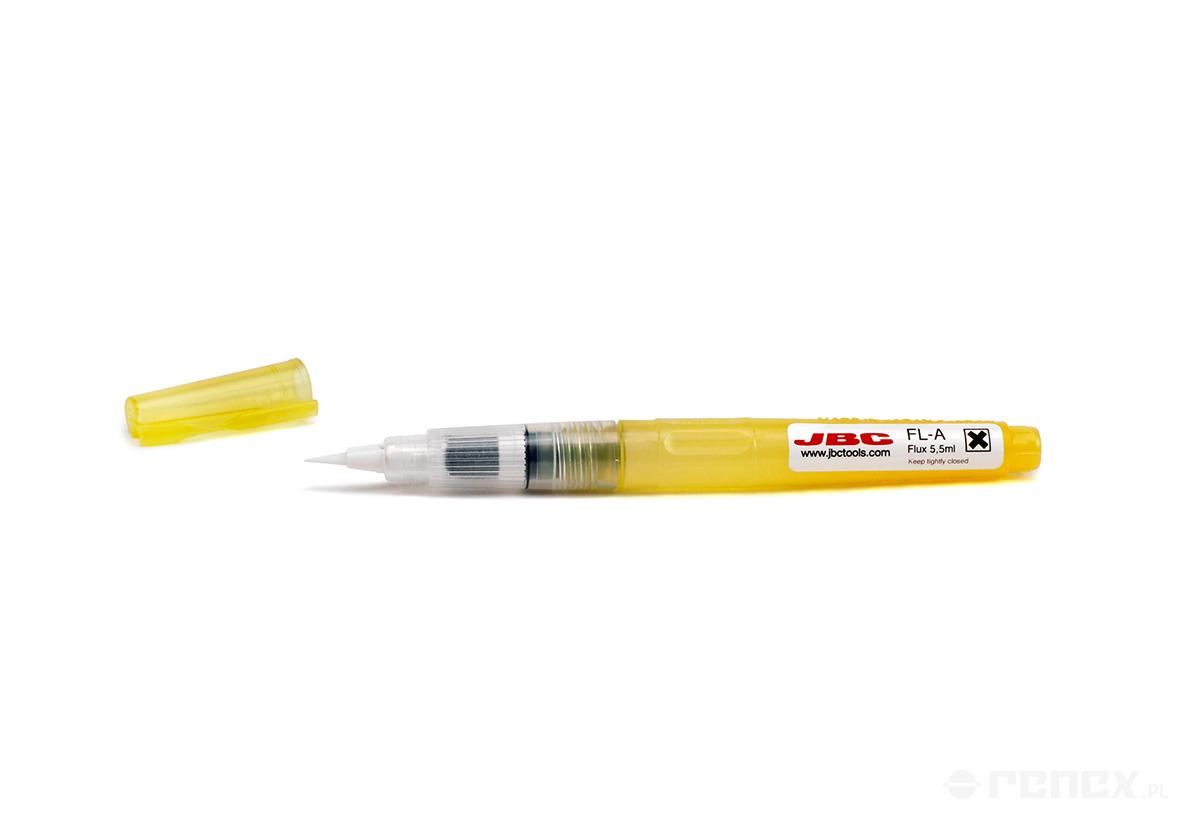
Our soldering fluxes differ in properties and application methods. We supply flux in pen form, liquid flux, and gel formulations. Our products are suitable for both manual soldering and automated soldering processes used in electronics manufacturing. High-quality soldering flux is essential for achieving reliable solder joints, which is why we focus on delivering products that meet demanding industrial standards. A key feature of our flux range is No-Clean technology, ensuring that residues are non-corrosive and safe for most electronic applications.
Kester distributor | Kester Poland
Soldering flux
Flux is a chemical cleaning agent used before and during the soldering process on printed circuit boards (PCBs). It is applied in manual soldering as well as in automated PCB assembly processes. The primary function of flux is to prepare metal surfaces for soldering by removing oxides and contaminants. Oxides form when metals are exposed to air and can prevent proper solder joint formation. Flux also protects metal surfaces from re-oxidation during heating and improves solder flow by reducing the surface tension of molten alloy.
Flux consists of a base material and an activator — a chemical compound that enhances wetting performance by removing oxide layers. It may also contain solvents and additives that support the soldering process and inhibit corrosion. Flux can be available in solid, paste, or liquid form depending on the application. In manual soldering, it is often applied using a flux pen or contained within the core of solder wire. In automated PCB manufacturing, several controlled application methods are used depending on the production process.
Which flux should you use?
There are three primary categories of flux used in electronics soldering according to IPC J-STD-004B: rosin-based and resin-based fluxes, water-soluble fluxes, and no-clean fluxes. Within these categories, various chemical compositions are available depending on the requirements of the components and PCB assemblies. Depending on the automated soldering method used in manufacturing, flux may be applied as follows:
Flux for wave soldering
Flux used in wave soldering typically contains a higher solvent content and is sprayed onto the PCB before passing through the solder wave. It removes oxide layers from components and pads to ensure proper solderability. If a less active formulation is used, pre-cleaning may be required before application.
Flux for reflow soldering
For reflow processes, solder paste is used — a mixture of viscous flux and fine metal solder particles. The paste holds components in place until the reflow oven melts the alloy particles. Flux in solder paste also contains additives that improve solder joint quality and reliability.
Flux for selective soldering
In selective soldering processes, flux is applied either by spray or by precision deposition systems. The application method must be carefully controlled to maintain process integrity. If the flux or solder paste contains excessive solvent content and is heated too quickly, voids may form in the solder joint, or molten solder may splash onto unintended areas of the PCB. For this reason, reflow profiles include controlled preheat, soak, and reflow stages to ensure stable and repeatable results.
Cleaning flux residues from electronics
Another important aspect of flux use is residue removal after soldering. Some flux types are corrosive, and their residues may continue to react with the PCB long after assembly. Each of the three main flux categories has different cleaning requirements:
Rosin-based flux: requires cleaning with dedicated chemical solvents, often fluorocarbon-based solutions.
Water-soluble flux: can be removed using deionised water or specialised cleaning detergents.
No-clean flux: requires little or no cleaning. In many cases, cleaning is performed mainly for cosmetic reasons rather than contamination risk. However, residues may reduce adhesion of conformal coatings, so light cleaning may still be recommended.
For more active or corrosive flux types, cleaning is essential. Certain PCB manufacturing processes, such as wave soldering on shielded areas, may trap residues that can cause long-term reliability issues if not removed. Even no-clean residues may interfere with PCB testing equipment, optical inspection systems, or sensitive electronic components. Whenever possible, residue removal is considered best practice in professional electronics manufacturing.
What is the difference between soldering flux and solder paste?
Although liquid flux and solder paste are related, they serve different functions. The primary differences lie in physical properties and composition. Liquid flux mainly consists of solvents combined with activators and resins. It is often sprayed onto assemblies and frequently falls into the no-clean category.
Solder paste is a gel-like substance combining flux with fine metal alloy powder, forming a grey paste used in stencil printing. Compared to liquid flux, solder paste typically requires more controlled cleaning depending on the formulation. Liquid flux usually contains up to 25% active ingredients, while solder paste formulations may contain 60–80% active materials within the flux component.
From a chemical perspective, solder paste can contain up to 90% metal by weight. However, because non-metal components have lower density, they represent approximately half of the product’s volume, ensuring workable viscosity and proper application during SMT processes.
What is No-Clean flux?
No-clean flux is formulated to minimise the need for post-soldering cleaning. Although some residues may remain, they are designed to be non-corrosive and electrically safe under standard operating conditions. However, these residues may sometimes be more difficult to remove if cleaning is required, as they are not intended to be easily washed off. No-clean formulations are often described as low-residue flux systems that leave stable, non-corrosive deposits on solder joints.
How to use flux in electronics soldering?
Flux acts both as a chemical cleaning agent and a corrosion inhibitor. While PCB manufacturers typically use automated application systems, flux for manual soldering can also be applied directly by hand. During soldering, flux prepares the PCB surface by removing contaminants and oxide layers that naturally form when metal is exposed to air. Without flux, proper wetting and reliable solder joint formation would be difficult to achieve.
It is essential to use only a controlled amount of flux. Excess paste can spread when heated, creating unwanted residue on the PCB. Liquid flux formulations are often preferred for clean applications, as they leave minimal residue. Some acid-based fluxes may leave corrosive deposits and therefore require mandatory cleaning after soldering. Proper residue management is critical for long-term PCB reliability.