
Gel fluxes
Which gel flux should you choose?
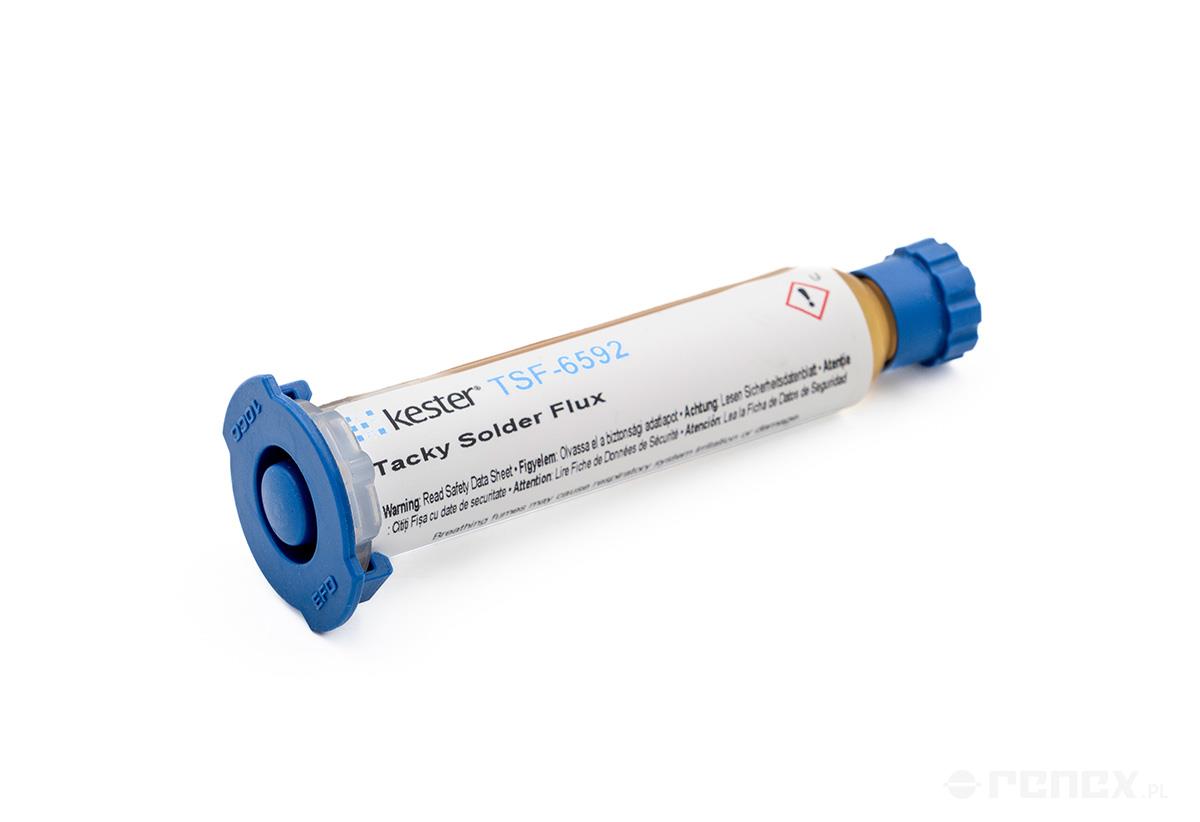
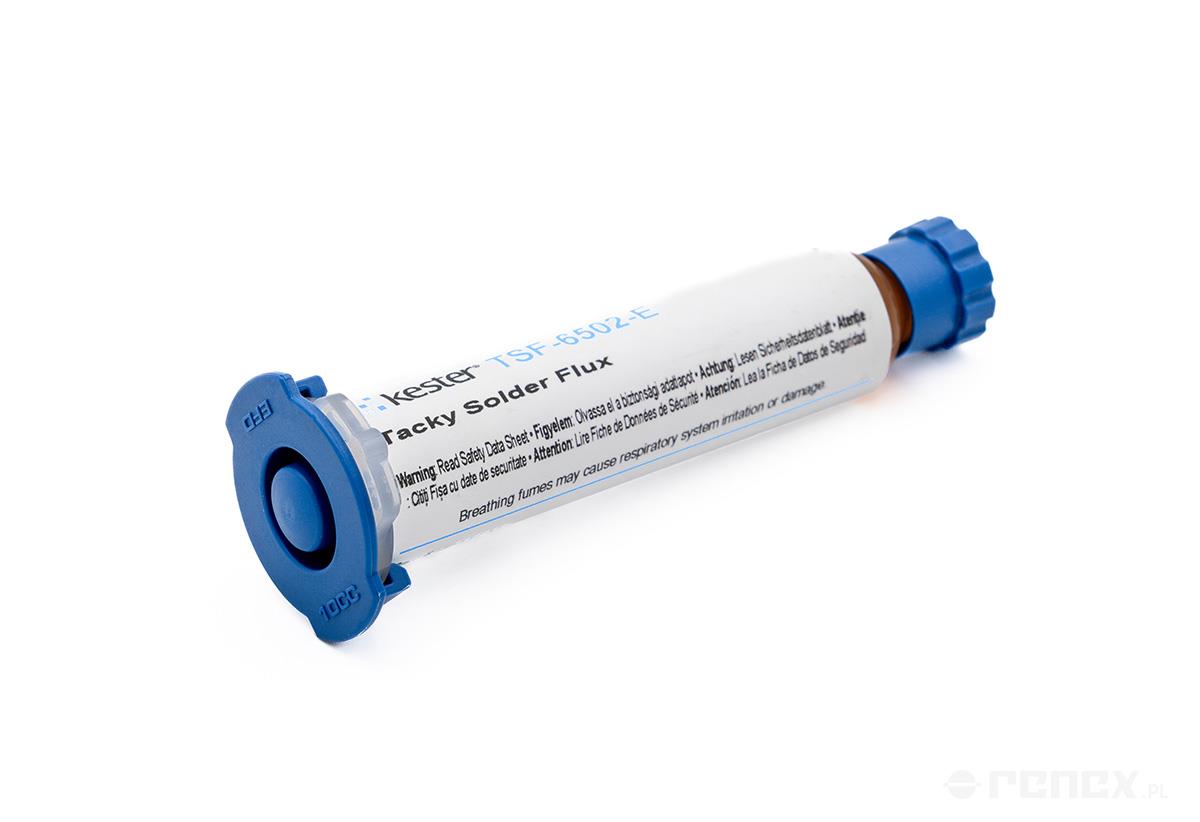
Gel flux is widely used in electronics soldering, PCB repair, and precision rework applications. The main advantage of gel soldering flux is controlled and accurate application combined with excellent adhesion to the working surface. Supplied in a syringe or applicator with a precision tip, gel flux allows easy handling and precise dosing, even in confined or hard-to-reach areas.
Gel flux is particularly suitable for SMD rework, fine-pitch components, and multilayer PCB assemblies. Its viscosity prevents uncontrolled spreading, making it ideal for targeted application without contaminating adjacent areas. In addition to soldering, gel flux can assist in removing old solder residues and preparing surfaces prior to rework. When selecting gel flux, consider the following factors:
- Application type: certain formulations are optimised for PCB assembly, while others are designed for general metal soldering.
- Activation temperature: the flux activation range must match the solder alloy and process temperature.
- Electrical safety: for electronic assemblies, low-residue and non-corrosive formulations are recommended.
- Viscosity and consistency: gel flux is preferred when precise, localised application is required.
- Manufacturer reputation: selecting products from recognised brands ensures stable and repeatable performance.
Choosing the right gel flux depends on the specific soldering process and component type. In our current range, gel fluxes are primarily divided by activation temperature: 130°C–185°C and 150°C–217°C, allowing selection according to process requirements and alloy specifications. If you require assistance in selecting the appropriate gel soldering flux for your electronics production or repair application, our specialists will be happy to provide professional guidance tailored to your needs.