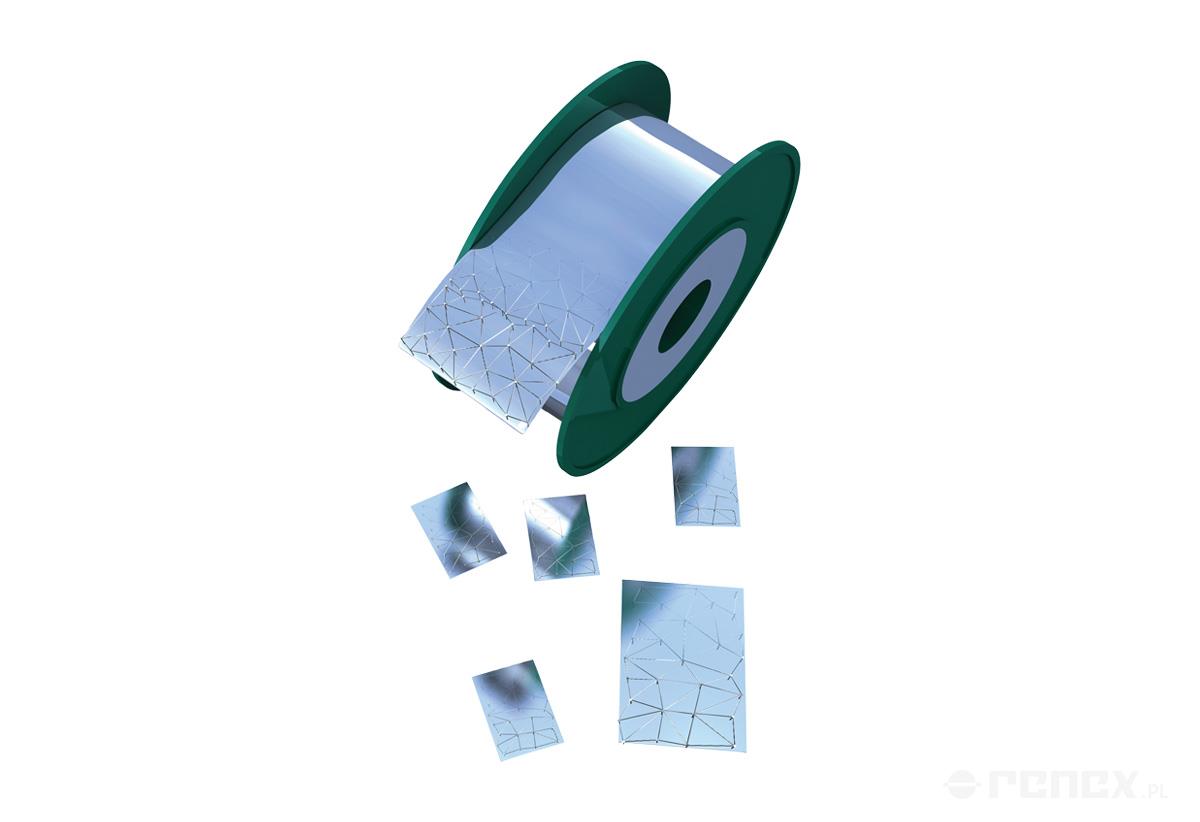
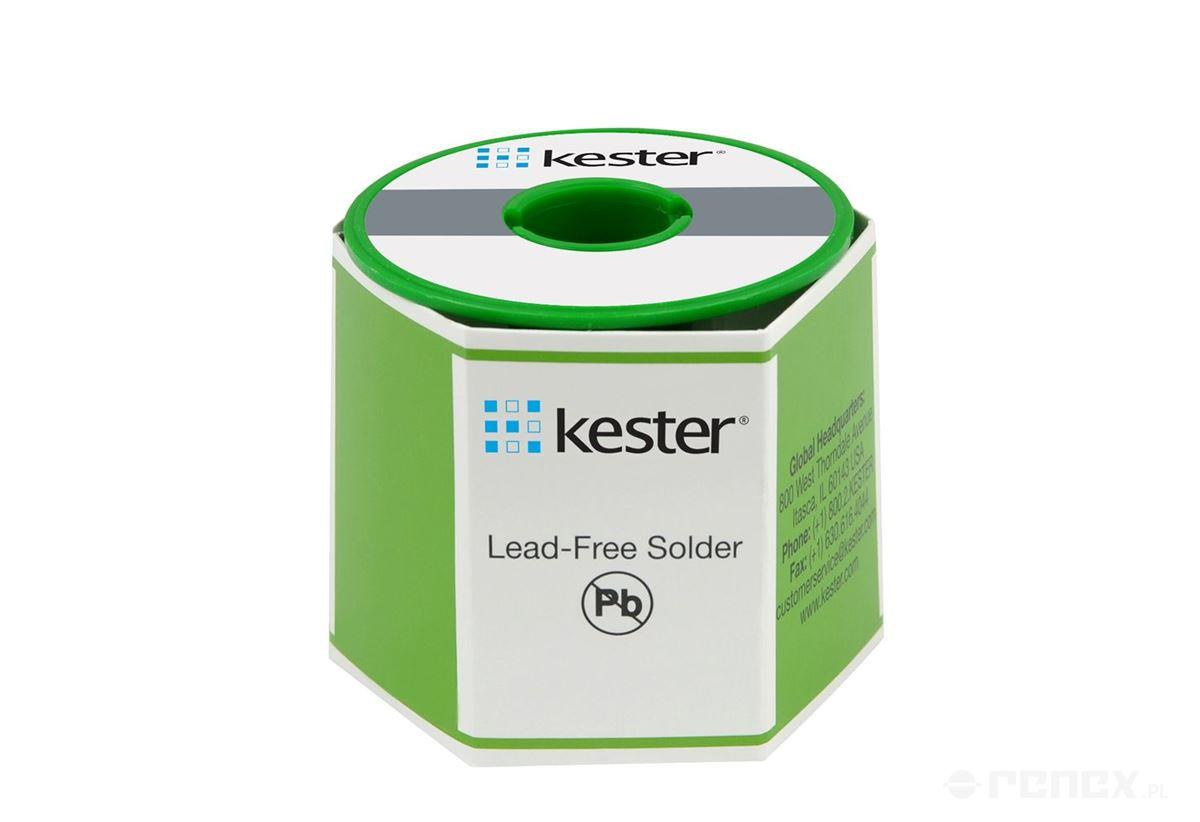
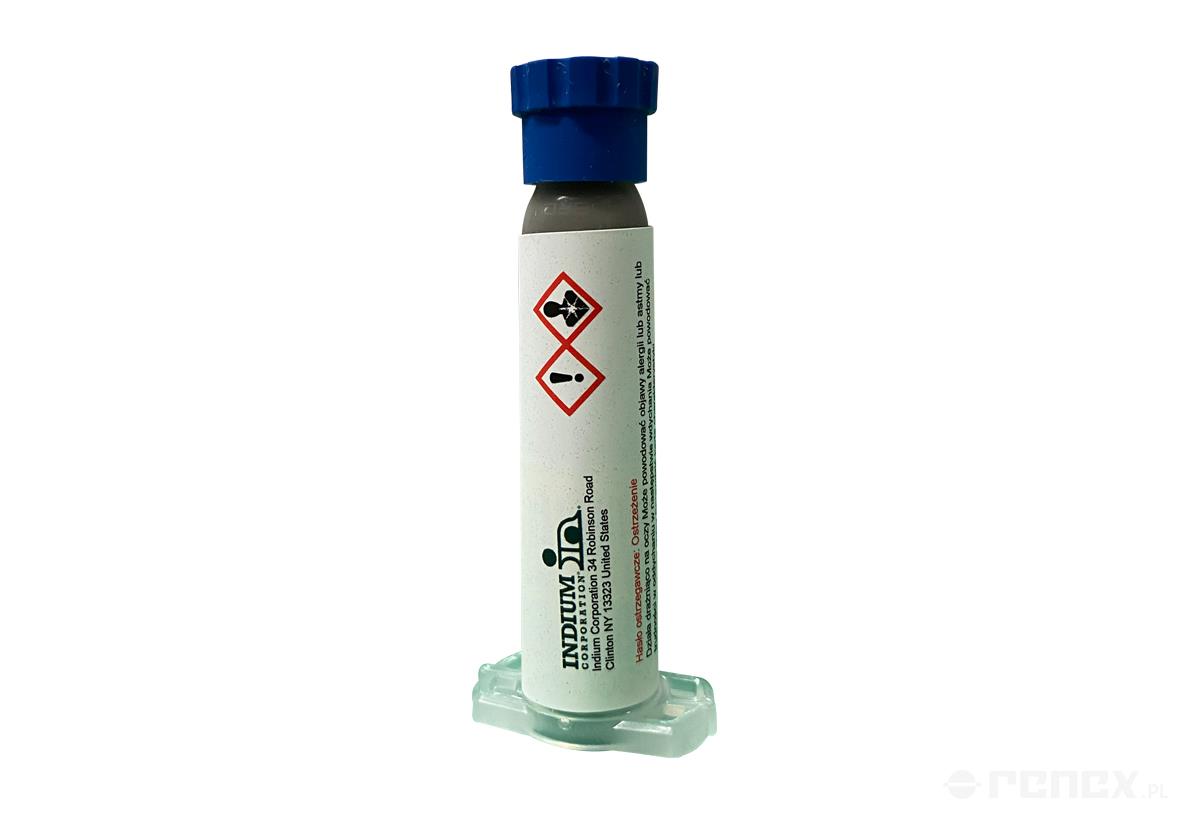
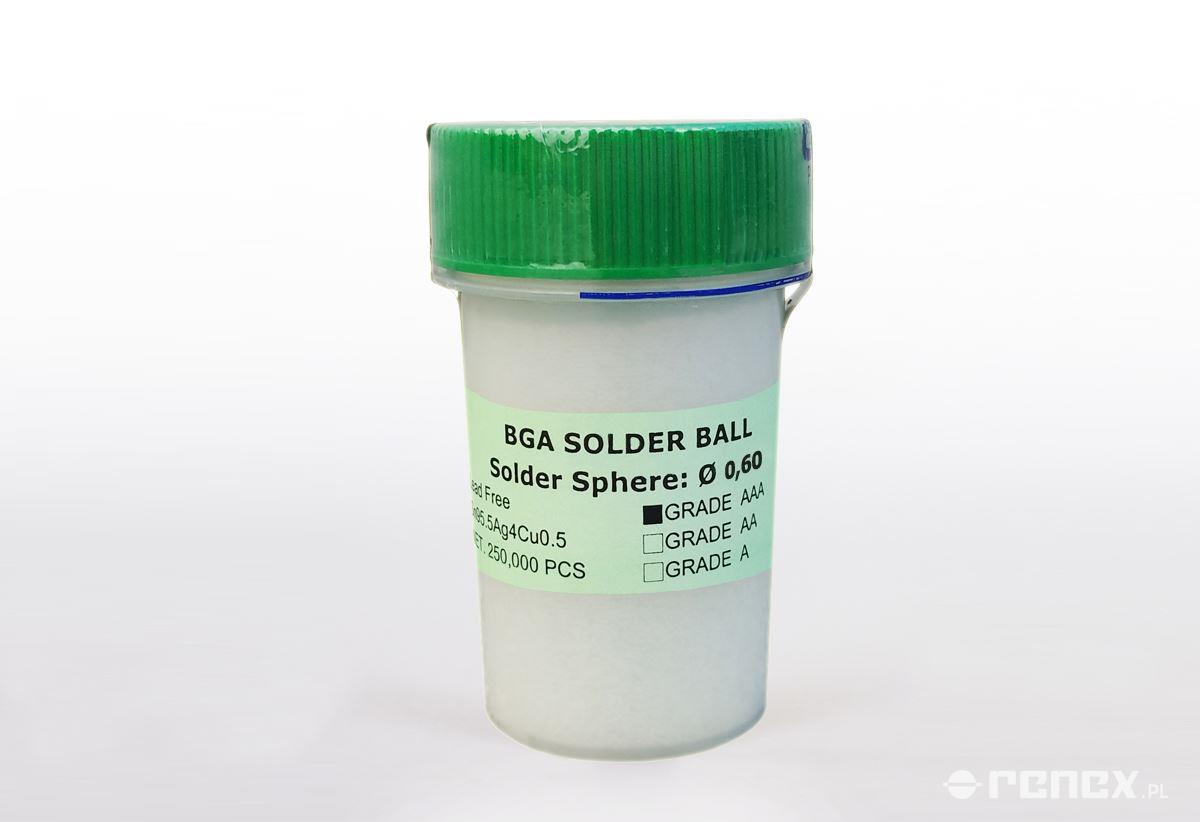
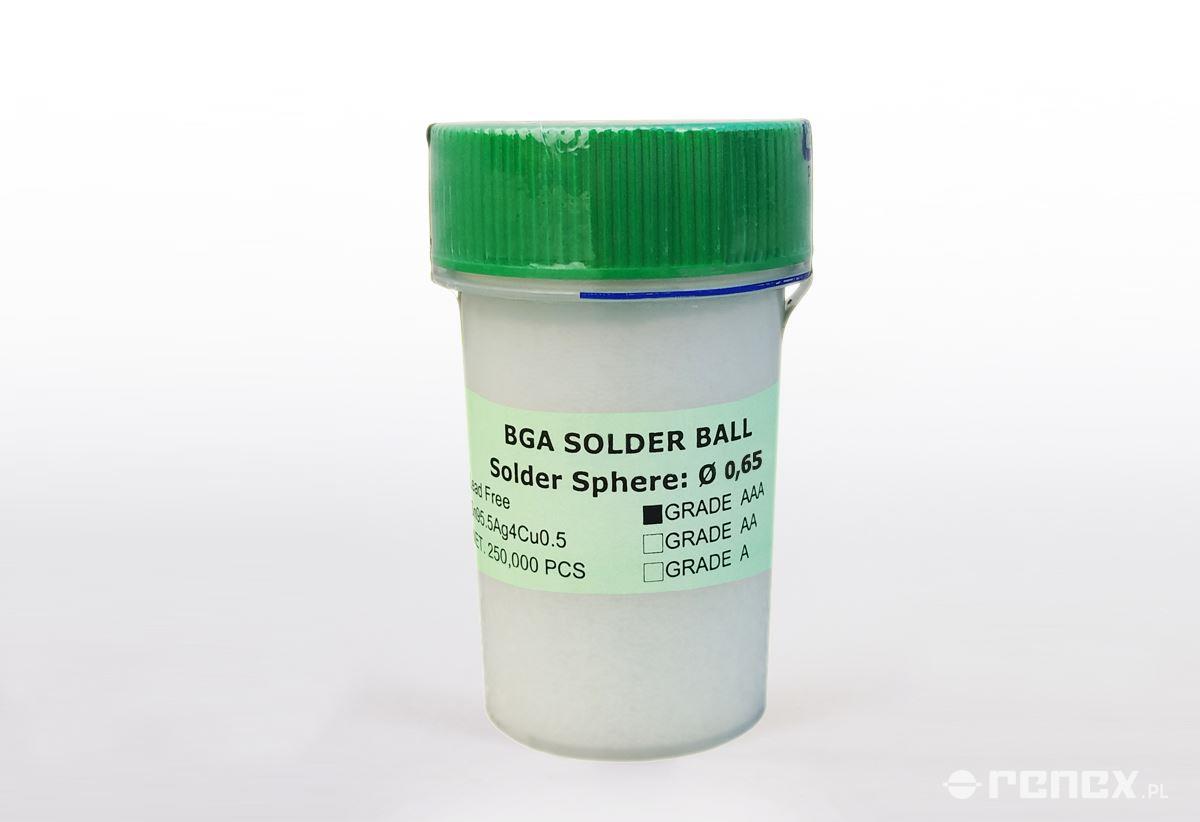
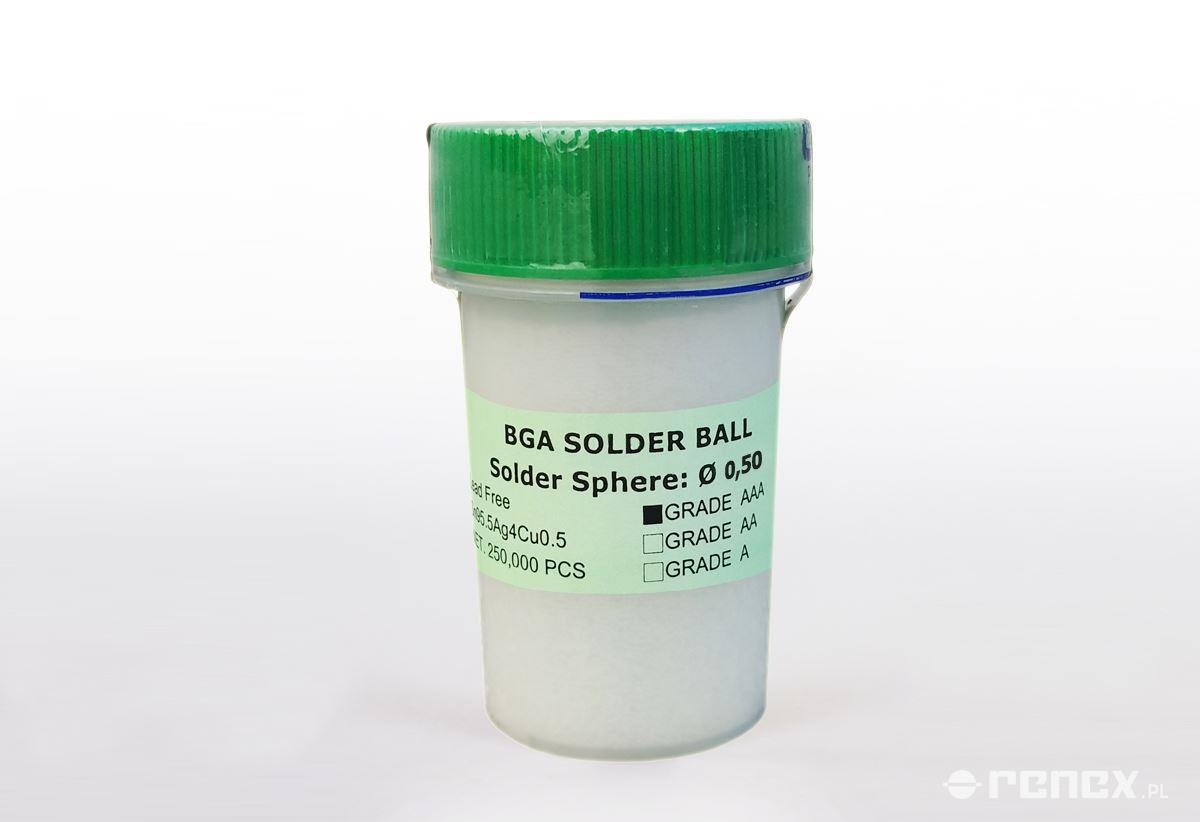
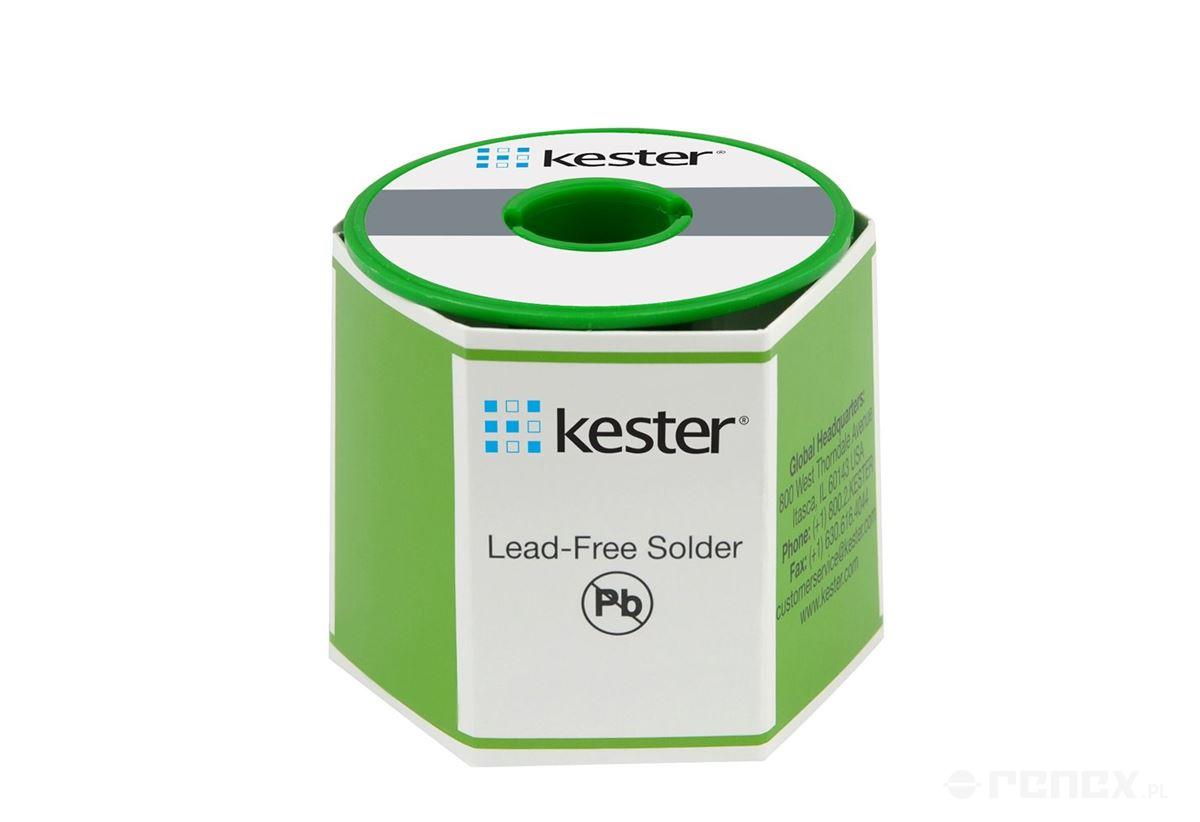
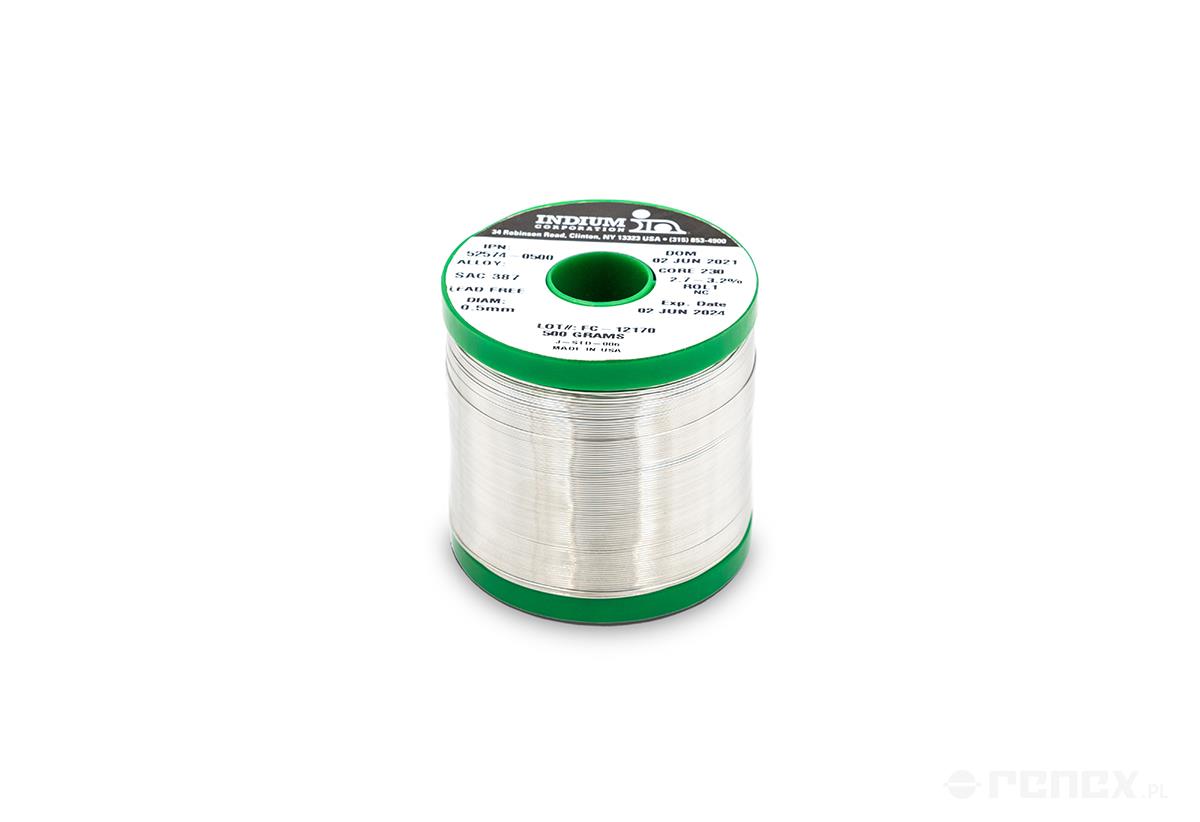
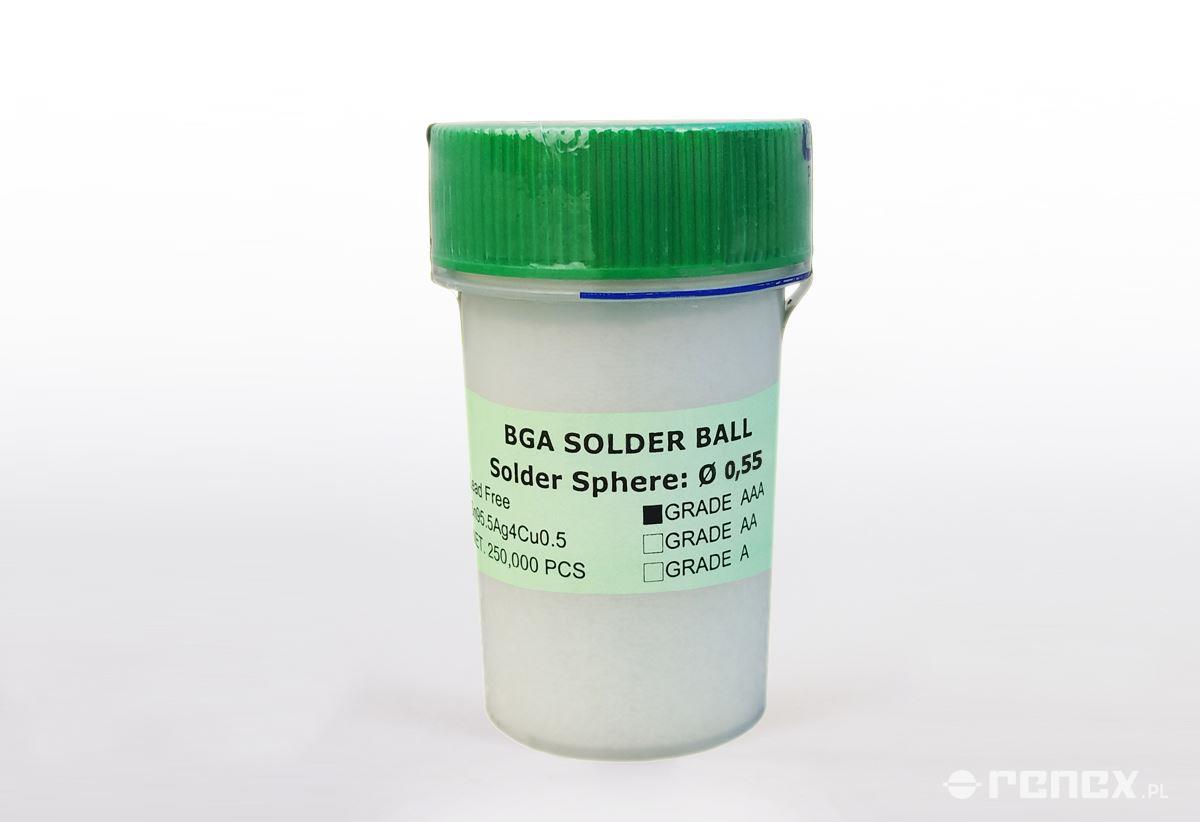
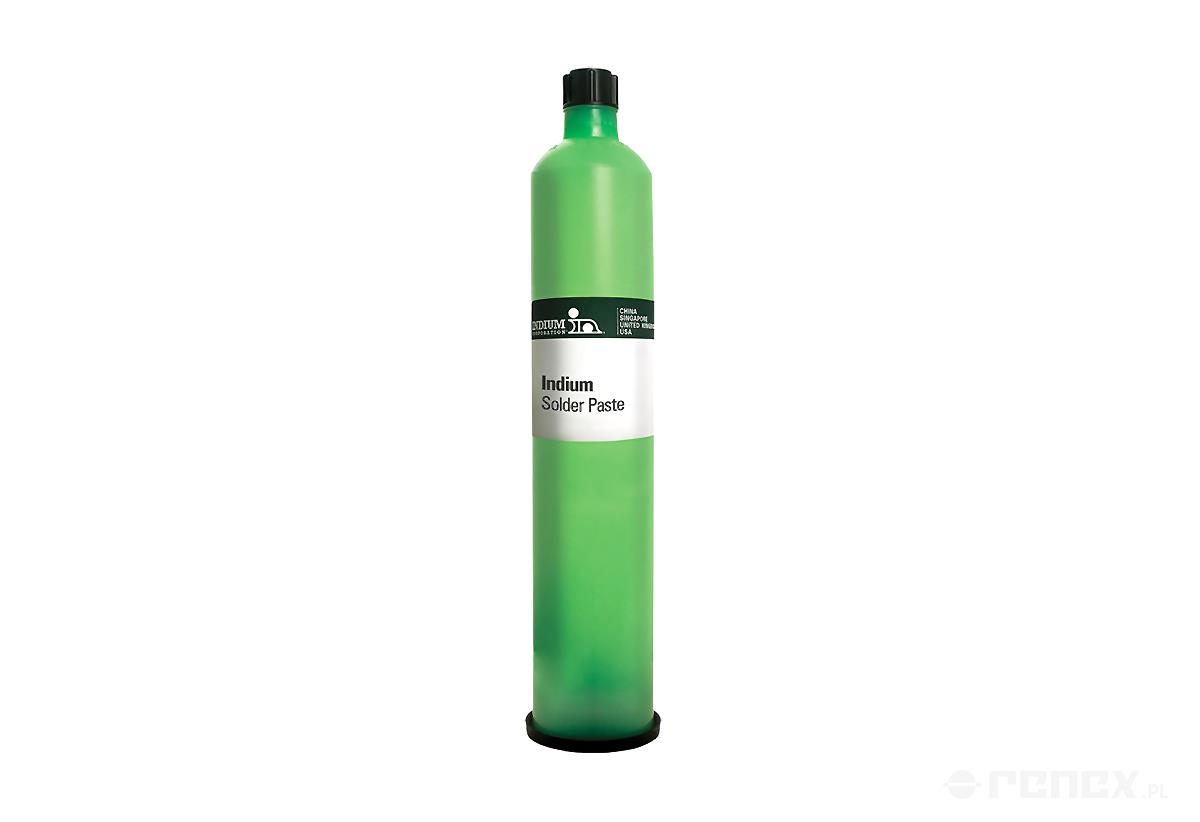
We offer high-quality solder alloys in various forms: solder wire, BGA solder balls, solder paste, masking paste and bar solder. Our wide range of solder materials ensures that every customer can find the right solution – regardless of application or production requirements. We supply both lead-free solder and traditional leaded solder alloys. Our solder wire and solder materials are delivered by recognised manufacturers such as Kester and Fonton. When using our BGA solder balls, you can be confident that you are working with high-quality materials designed for durability and process reliability.
Solder is a metal alloy used as a bonding material to create reliable electrical connections on PCB assemblies. Traditionally, solder consisted of 60% tin and 40% lead and was applied using a soldering iron. Today, lead-free solder alloys are widely used, typically combining tin with small amounts of copper or other metals. A common lead-free composition contains approximately 99.3% tin.
Each type of solder alloy has specific applications and can influence the soldering performance depending on the PCB design and process conditions. Proper soldering requires both the correct solder material and professional skills to ensure consistent and reliable joints.
Lead-free or leaded solder?
Benefits of lead-free solder
The main advantage of lead-free solder is improved operator safety and compliance with environmental regulations. Lead exposure may pose serious health risks, which is why many industries have transitioned to lead-free solutions, especially in mass production environments and regulated markets.
Limitations of lead-free solder
Leaded solder offers certain processing advantages, including lower melting temperature and improved flow characteristics. However, due to regulatory restrictions and health considerations, many commercial manufacturers have shifted towards lead-free alternatives.
In small-scale production or hobby applications, leaded solder may still be preferred because of its lower melting point and ease of use. In professional production environments, compliance requirements typically favour lead-free solder alloys.
Composition of leaded and lead-free solder alloys
Lead-free solder alloys typically consist of tin combined with small amounts of copper or other elements. A common composition is approximately 99.3% tin and 0.7% copper. Other alloying elements may include:
Silver
Antimony
Bismuth
Cobalt
Nickel
Different solder alloy compositions are designed for specific production requirements and performance expectations.
Advantages of lead-free solder alloys
The primary advantage of lead-free solder is improved workplace safety. Although it may require higher processing temperatures and greater operator control, it does not generate the hazardous fumes associated with leaded solder.
Performance differences between leaded and lead-free solder
There are several performance differences between leaded and lead-free solder alloys, including melting temperature and wetting behaviour. A weak solder joint can result in PCB malfunction, particularly in industrial or production environments.
Leaded solder generally provides smoother flow and easier handling. Lead-free solder can also deliver excellent results when used with proper process control and skilled operation.
How to choose the right solder alloy?
A solder alloy is a metal mixture used to fill and create durable solder joints. When heated, solder changes into a liquid state and flows into the joint, forming a strong mechanical and electrical connection. Our extensive range of solder materials ensures that every customer can find the right solution for their specific PCB assembly or rework requirements.
What types of solder do we offer?
We supply solder materials from recognised manufacturers such as Indium, CRM, Kester and Fonton. Our product range includes:
Solder wire
BGA solder balls
Solder paste and masking paste
Bar solder
All products meet high quality standards and are suitable for professional electronics manufacturing environments. If you require assistance selecting the appropriate solder alloy, our technical specialists will be happy to support you.