- New Product
- New Product
- New Product
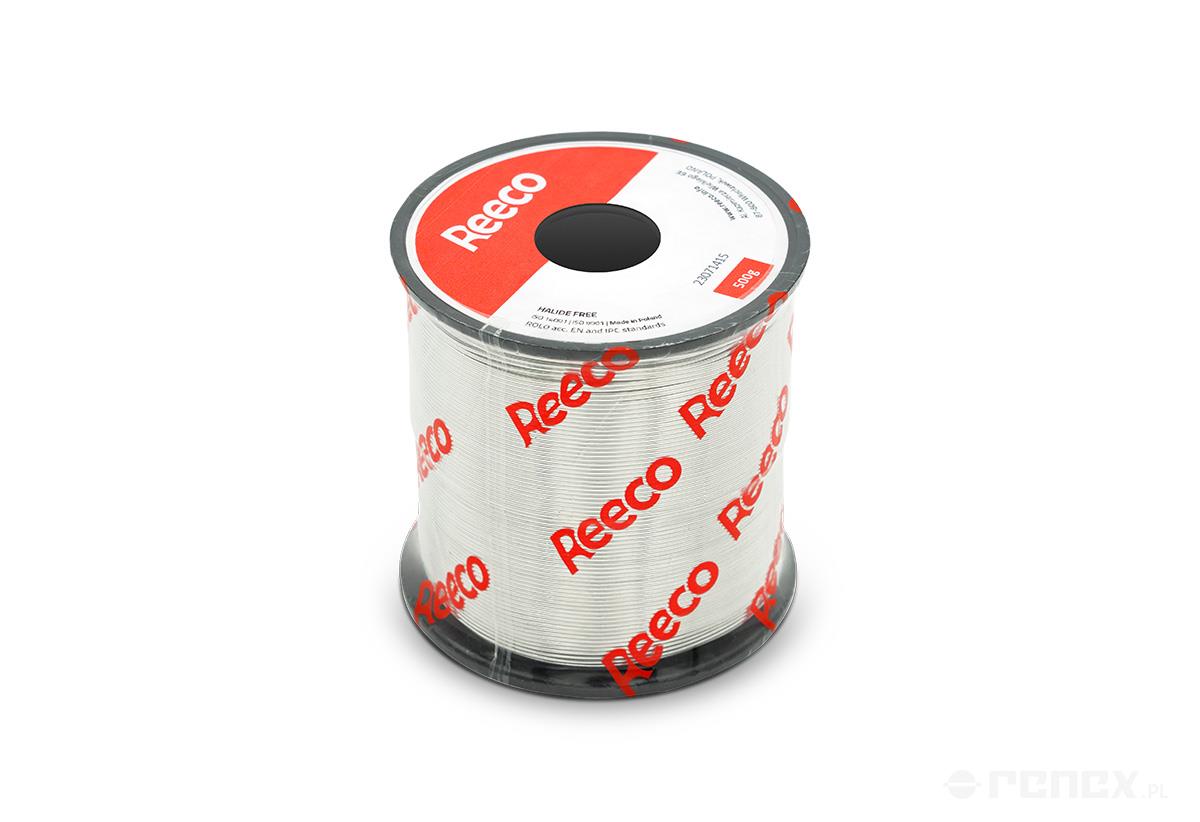
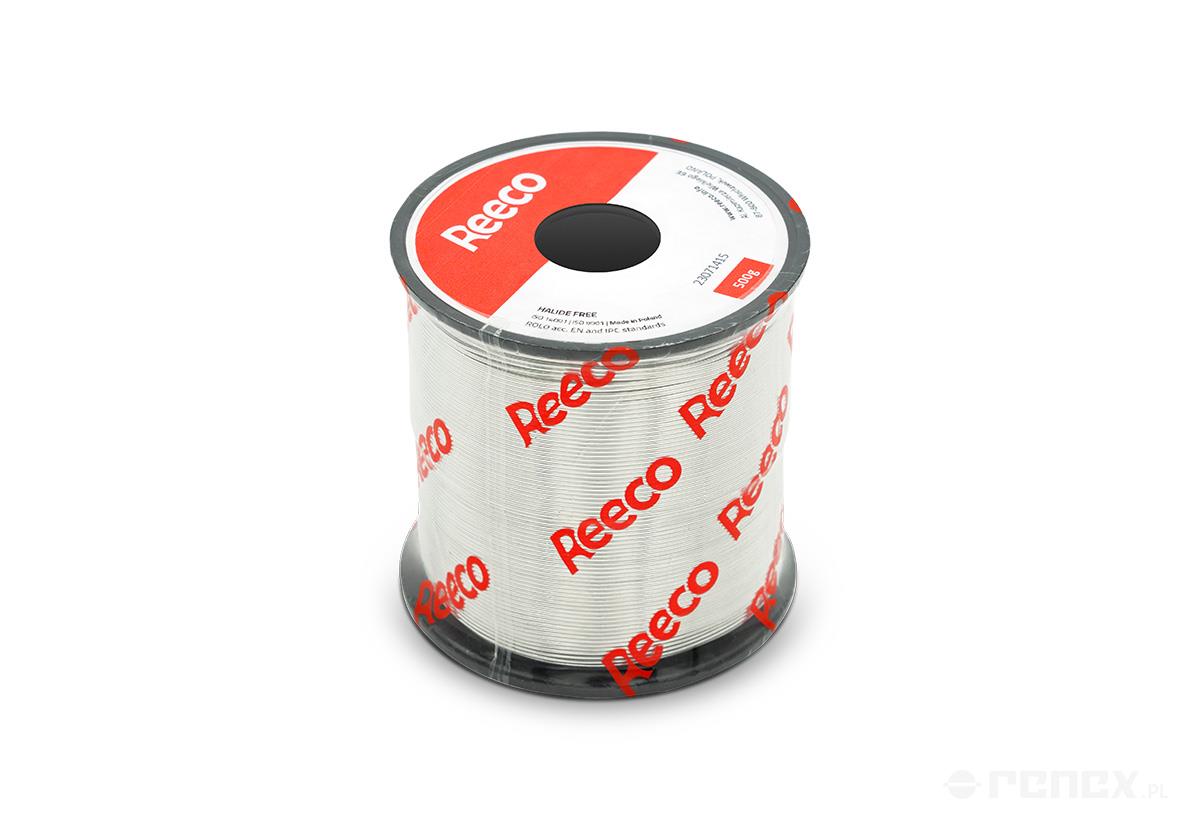
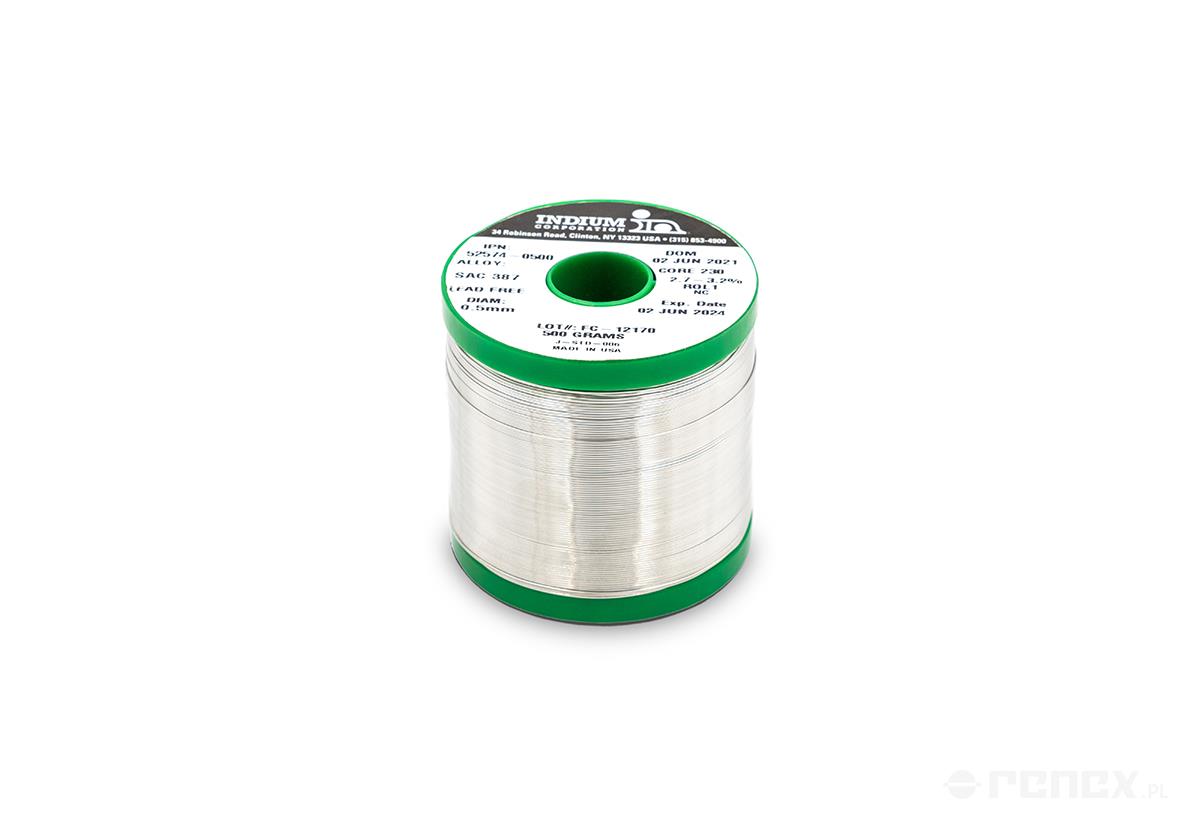
Solder wire
Solder wire is one of the most widely used forms of solder in both professional electronics manufacturing and service applications. It is used across multiple industries wherever precision soldering is required. Not all solder wires have the same properties – different alloy compositions are designed for specific temperatures, components and process requirements. The performance of a solder wire depends largely on its alloy composition and flux type. Thanks to its relatively low melting temperature, solder wire can be used with a wide range of soldering stations and hand soldering tools.
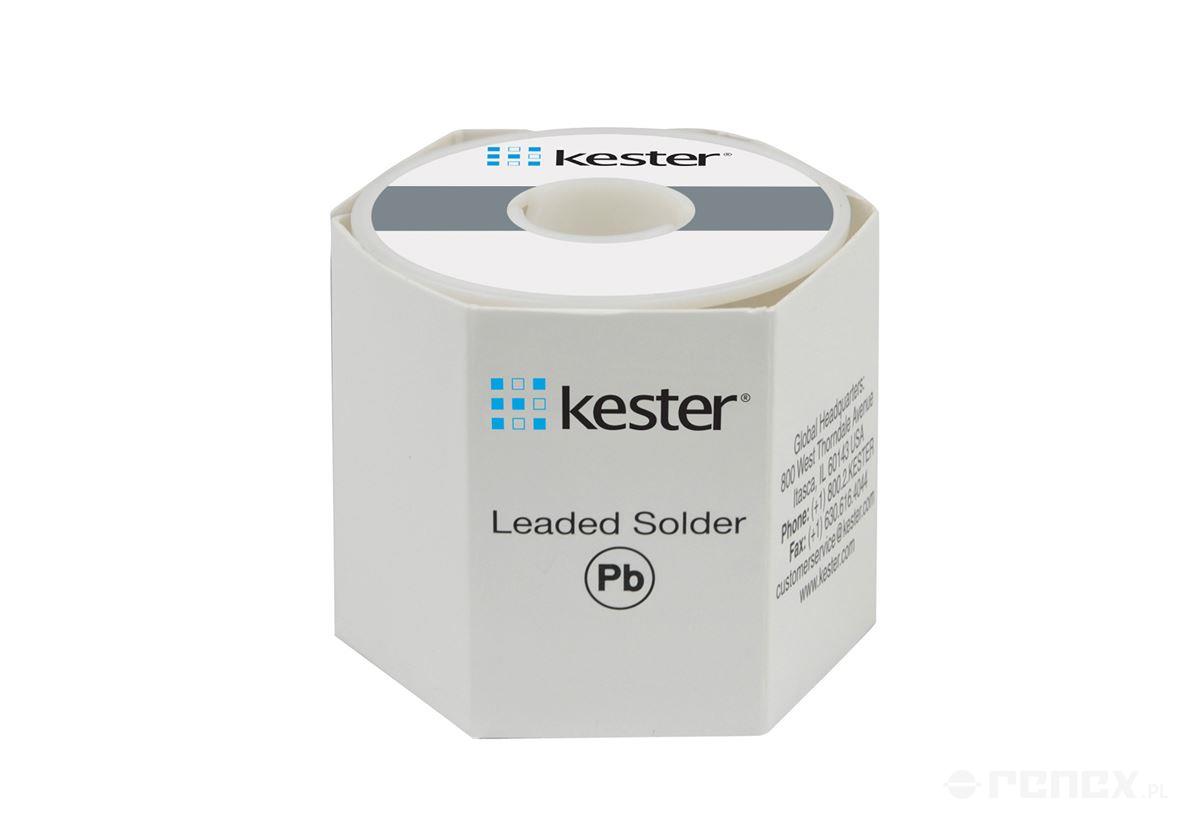
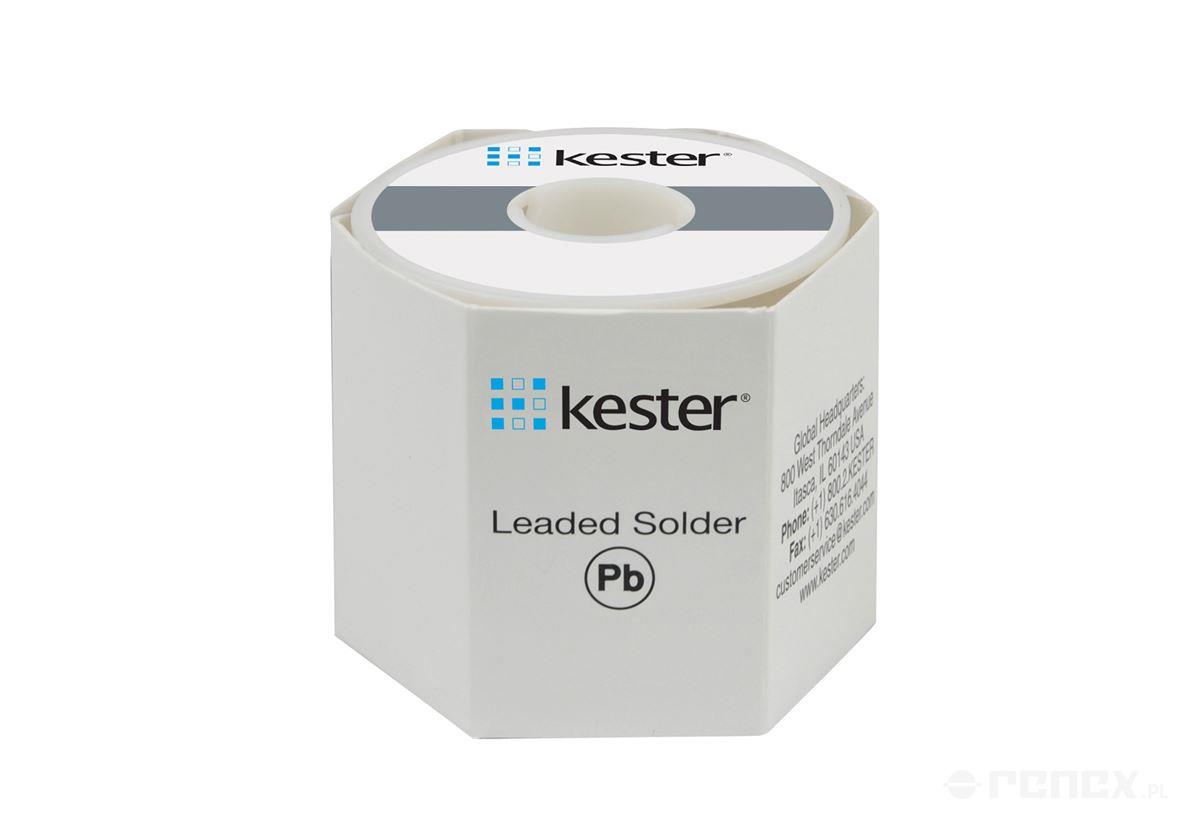
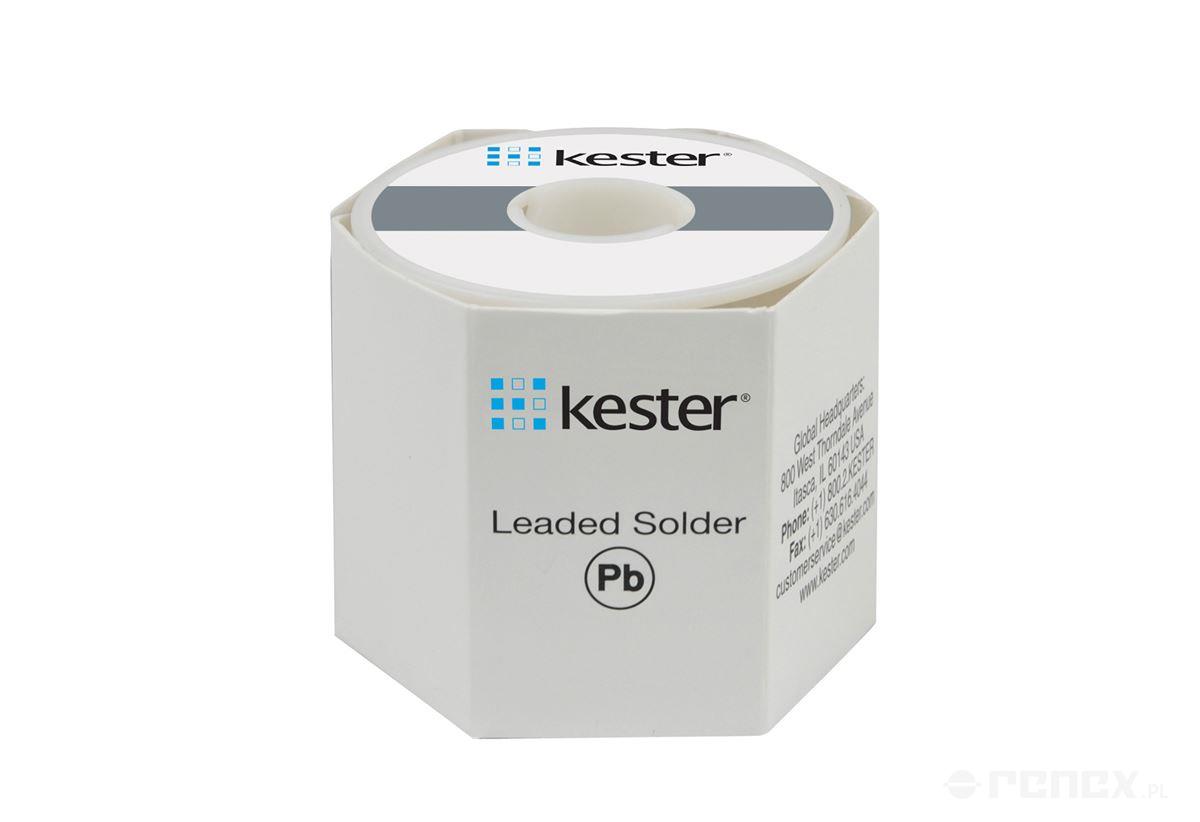
Solder wires are typically available in two main categories – leaded solder wire and lead-free solder wire. There are also flux core solder wires containing rosin or no-clean flux inside the core. Traditional leaded solder wire is usually made from tin-lead alloys such as 63/37 or 60/40. The 63/37 alloy is eutectic, meaning it transitions sharply from liquid to solid state, which helps reduce cold solder joints caused by movement during cooling. While lead-based solder was once the industry standard, health and regulatory concerns have led to increased use of lead-free alternatives.
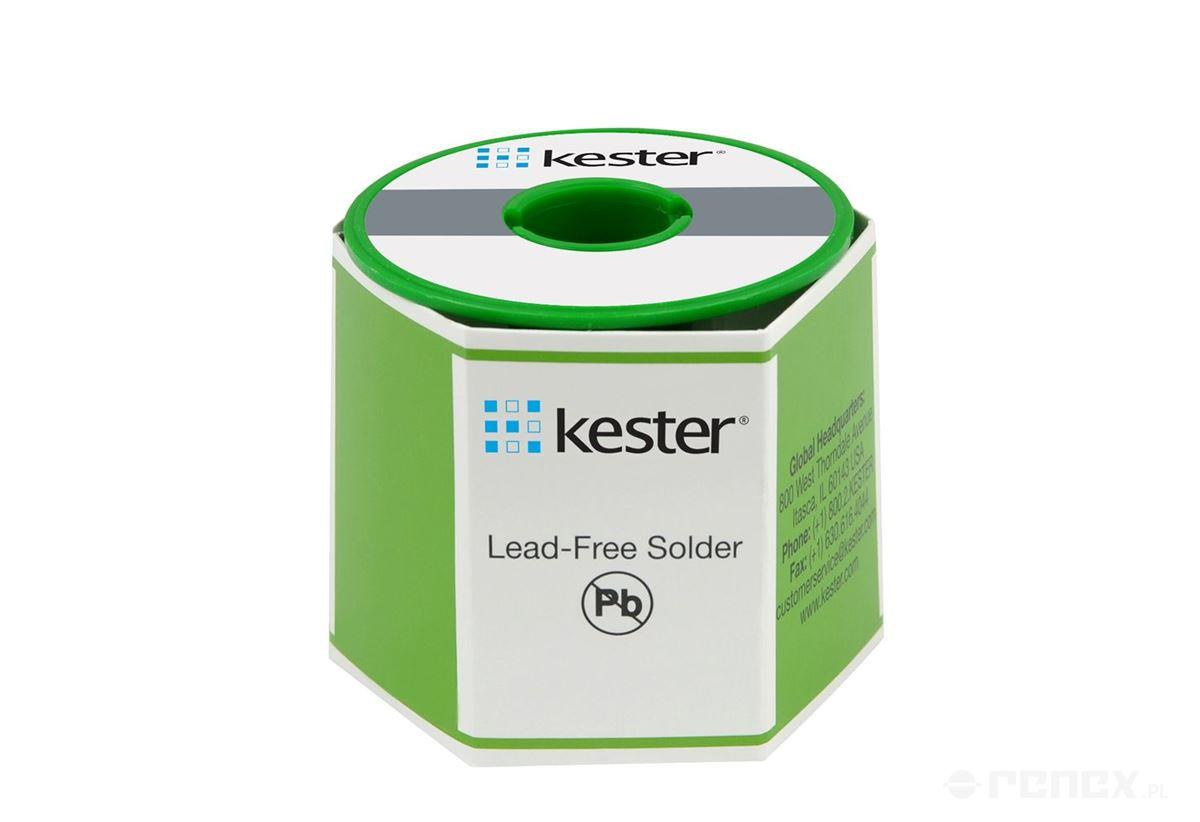
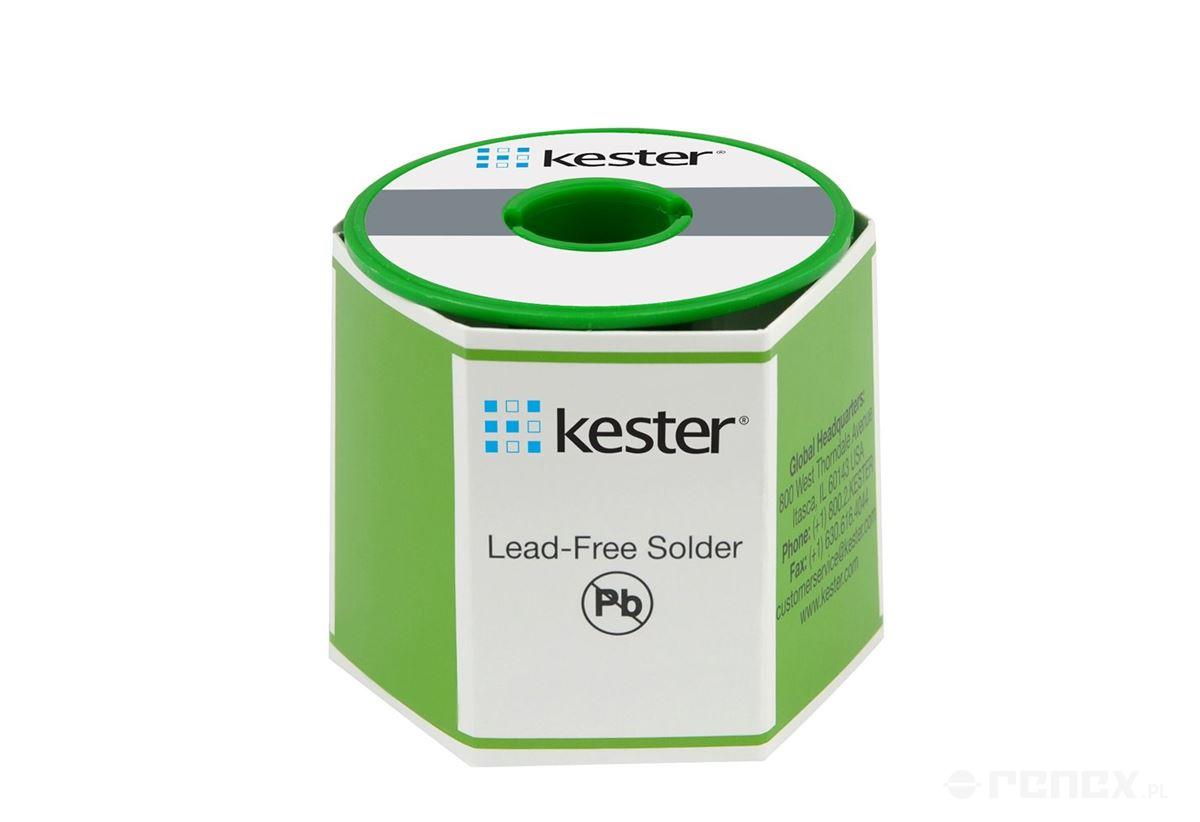
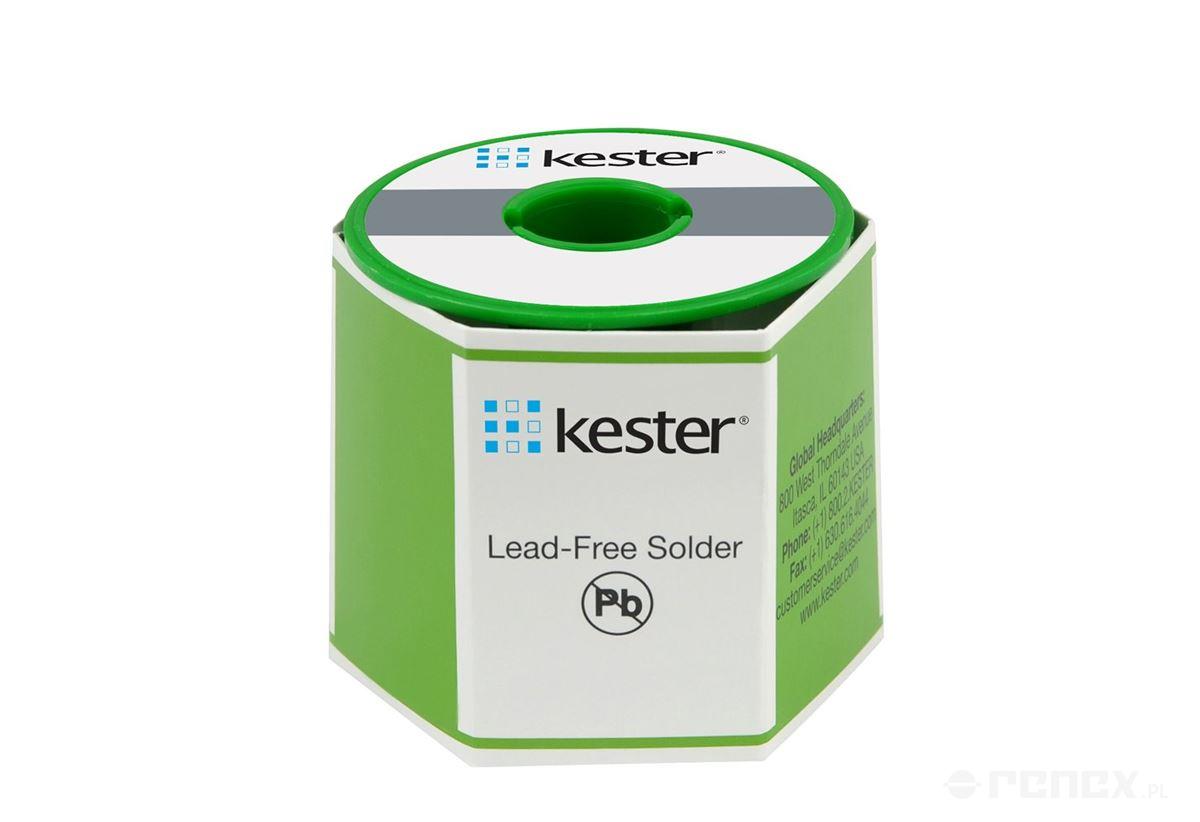
Lead-free solder wire
Lead-free solder wire typically contains tin combined with silver and copper (SAC alloys). Lead-free variants generally have a higher melting temperature than tin-lead solder and therefore require appropriate flux and temperature control. Although lead-free alloys can be slightly more brittle, they play a crucial role in modern electronics manufacturing and compliance with environmental regulations such as RoHS.
Different industries use specific solder alloy compositions depending on application requirements. For example, plumbing applications may use 95Sn/5Sb or 97Sn/3Cu, while electronics manufacturing commonly uses SAC alloys or traditional SnPb mixtures where permitted. Rosin-core solder wire remains widely used in electrical and electronic circuit assembly.
Types of solder wire
There are many types of solder wire available on the market, but they generally fall into two primary categories:
- Leaded solder wire, typically 60/40 (tin/lead) with a melting point around 180–190°C. Known as soft solder, this alloy offers excellent wetting properties and mechanical reliability. Higher tin content improves tensile and shear strength.
- Lead-free solder wire, developed in response to environmental regulations. These alloys have higher melting points and may require more precise thermal control. Modern alloy additives such as nickel can improve joint reliability and reduce tin whisker formation.
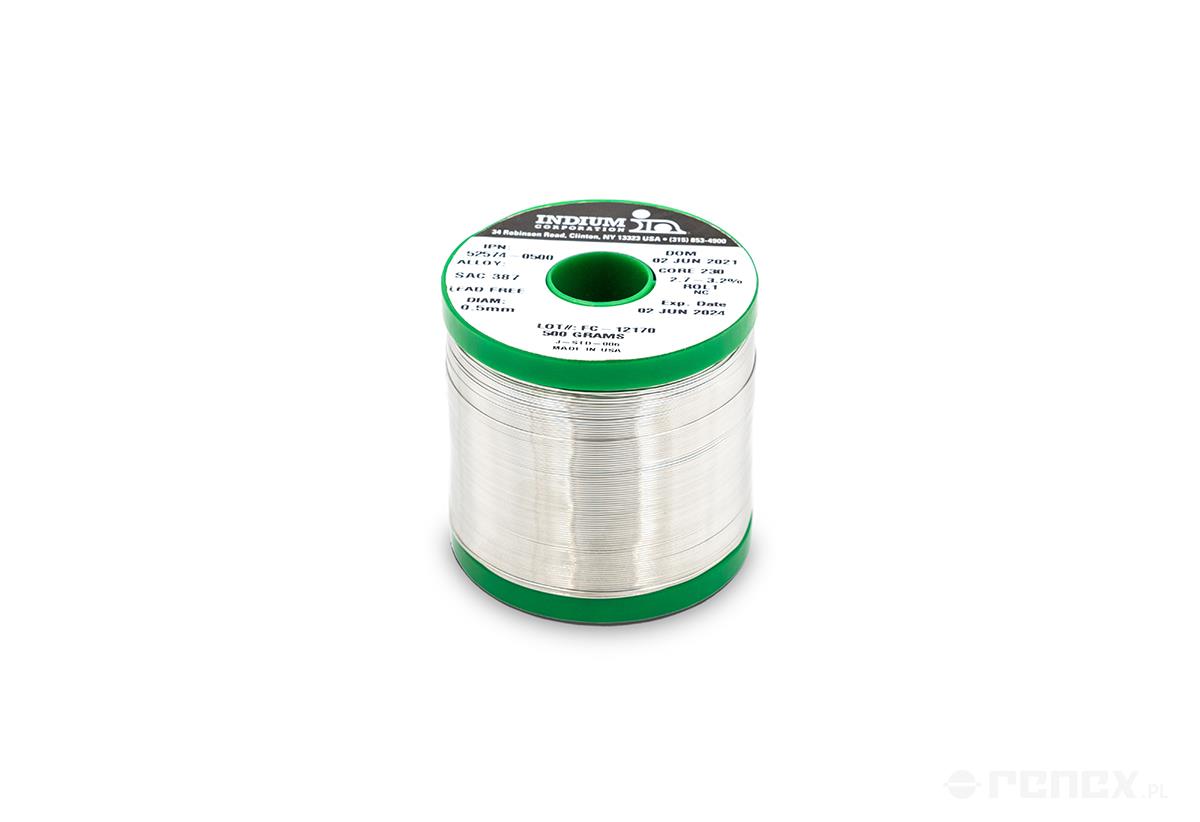
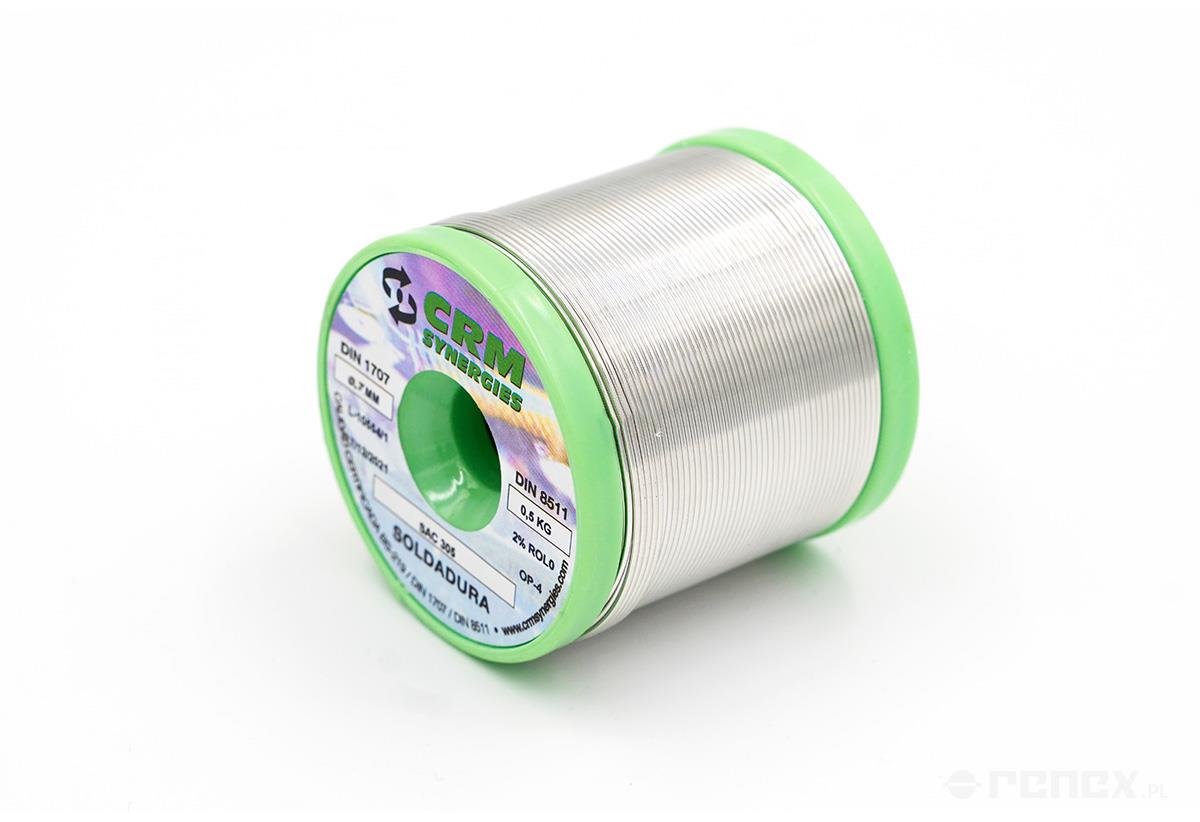
Most flux core solder wire is supplied on spools with a rosin-based or no-clean flux core. During soldering, the flux is released and removes oxidation from metal surfaces, ensuring improved wetting and a cleaner electrical connection. Acid-core solder should not be used in electronics, as it is intended for plumbing and metal repair applications.
Solder wire composition
The primary components of solder wire are tin, lead (in traditional alloys) and flux. Modern lead-free alloys may include additional elements to enhance performance. Common alloying elements include:
- Antimony – improves mechanical strength and reduces tin-related defects.
- Bismuth – lowers melting temperature and improves wetting performance.
- Copper – enhances joint strength and stabilises the alloy.
- Indium – improves ductility and is used in specialised applications such as cryogenic soldering.
- Nickel – protects UBM (under bump metallization) layers in advanced assemblies.
- Silver – increases mechanical strength and improves thermal fatigue resistance in lead-free joints.
Selecting the correct solder wire alloy requires consideration of mechanical strength, thermal cycling resistance and compatibility with component materials. Leaded solder wire remains well understood and highly reliable, especially in specialised industries such as aerospace or medical electronics where permitted. Lead-free solder wire is essential for compliance-driven production environments.
For hobby applications, standard Sn60Pb40 solder wire is often sufficient. In industrial manufacturing, optimised alloy compositions with improved wetting characteristics or eutectic melting points may deliver better process control and long-term reliability. Choosing the right solder wire means balancing technical requirements, compliance standards and cost efficiency.