Electrostatic discharge (ESD) occurs in everyday life when two or more objects with different electrical charges come into close proximity, often creating a visible spark. While many people think of “electric shocks” from car doors, light switches or other people, ESD is far more harmful when it occurs between a tool and an electronic device. ESD can cause serious, and in most cases irreversible, damage to electrostatic-sensitive components such as PCBs used in computers and other electronic equipment. If you work regularly with electronic components and devices, controlling electrostatic discharge in the workplace is essential – which is why dedicated products for ESD protection and control are available on the market.
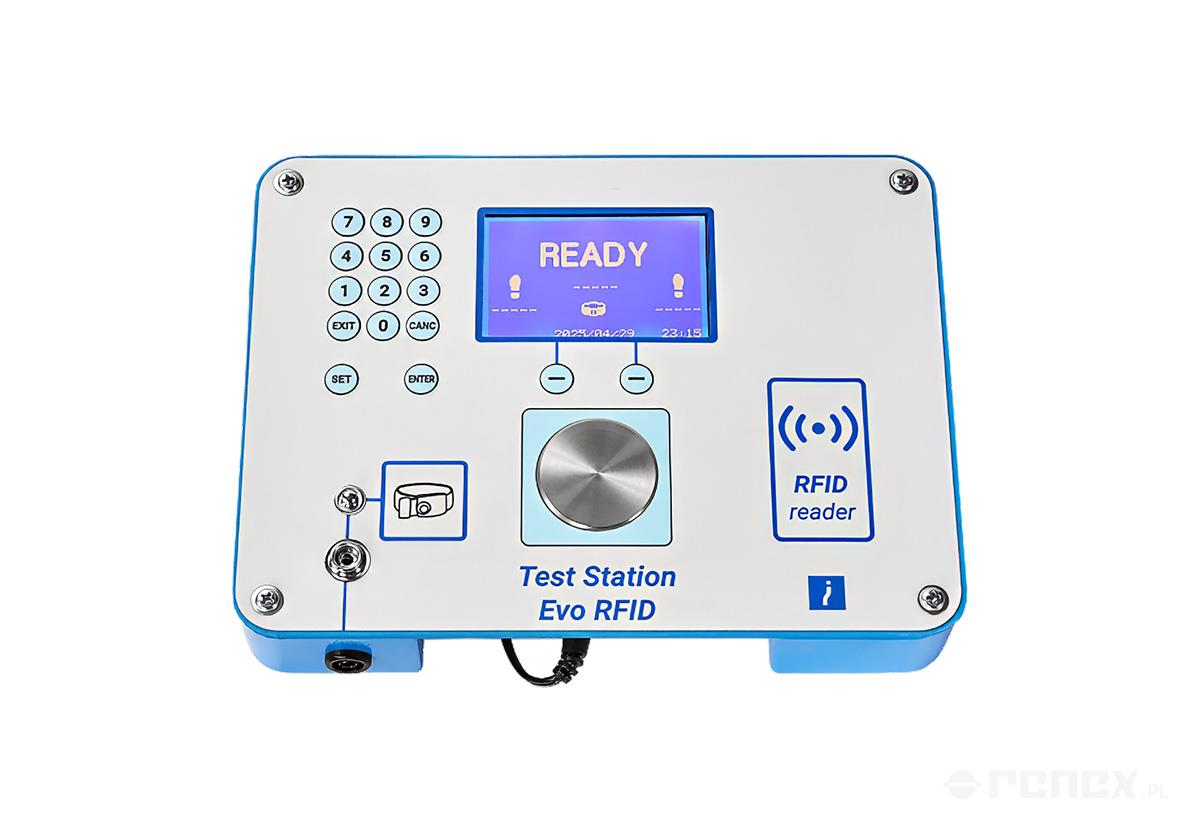
One of the basic devices used for this purpose is resistance meters – ESD testing instruments that verify the resistance of worn ESD wrist straps to ensure they are functioning correctly.
Resistance testers
If you are not using a continuous or permanent monitor, the wrist strap should be tested at least once a day with a wrist strap tester. This quick check makes it possible to confirm that the grounding path has not been interrupted. Wrist straps should be worn during testing. This provides the best way to verify all three elements:
The wrist strap
The grounding cord (including the resistor)
The operator’s skin contact
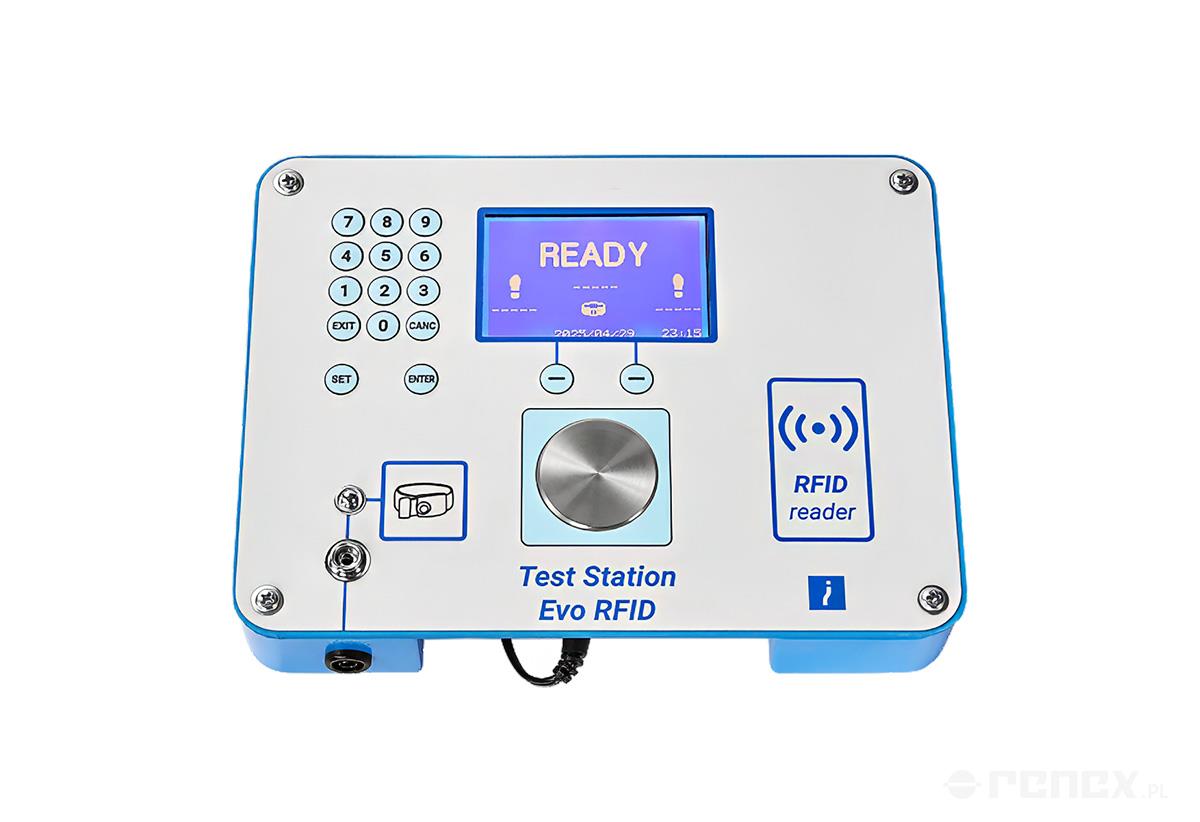
Because antistatic wrist straps are the most commonly used operator grounding device, many testers available on the market only verify the wrist strap itself. Professional resistance testers verify both wrist straps and antistatic footwear. RENEX offers a full range of resistance testers available in our store, many of which can be configured to suit individual requirements.
Resistance testers are available in two configurations:
Wrist strap tester
Wrist strap and footwear tester
Footwear resistance monitors
When a flooring / footwear system is used as an alternative grounding method for standing or mobile personnel, ESD footwear should be tested independently at least once a day while being worn. Proper testing of foot grounders includes verification of: