
TERA-OHMMETERS
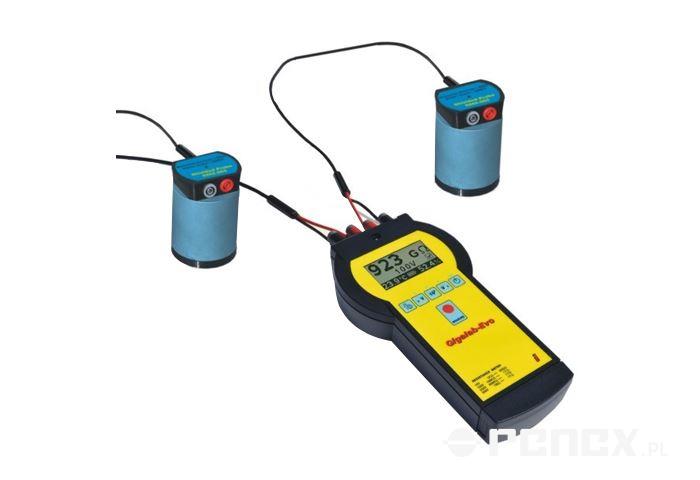
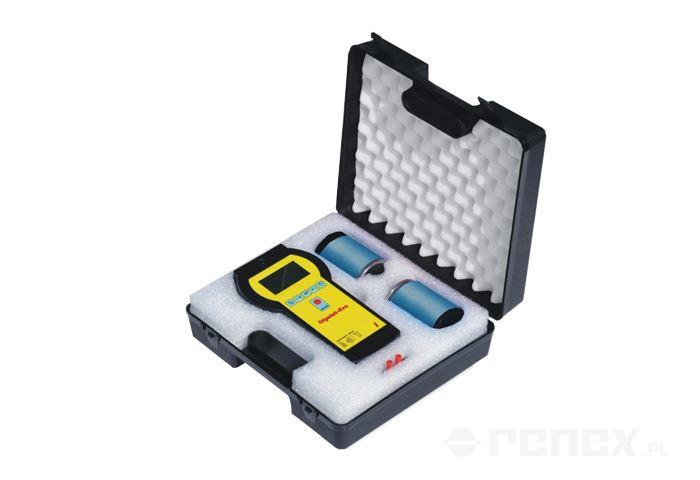
Teraohmmeters for electronics professionals
In electronics and electrical measurement, precision is paramount. Instruments must be robust and accurate enough to help scientists, engineers and technicians analyse the complex networks of circuits and components that power today’s technology. Among these specialist tools, teraohmmeters play a key role as essential instruments for precise measurement of very high resistance values.
Teraohmmeters are used in many fields, primarily wherever high insulation resistance must be measured. They are often applied in industries working with power transformers, cables, motors, generators and high-capacity communication lines. One of the best examples is the field of high-voltage direct current (HVDC) transmission. In this case, teraohmmeters are used to measure cable insulation resistance. By verifying the correct performance of the insulation, they help minimise power losses and improve energy transmission efficiency.
Another important application of teraohmmeters is in the aerospace and defence industries. In these sectors, where advanced electronics are exposed to extreme conditions, the ability to accurately measure very high resistance values is crucial. The reliability of electronic equipment used in these fields can often be a matter of safety and operational continuity.
How do teraohmmeters work?
The basic operating principle of a teraohmmeter is very similar to that of a traditional ohmmeter. It passes a known current through the material or component whose resistance is to be measured. By measuring the voltage drop across the object and applying Ohm’s law, the device calculates the resistance. However, to accurately measure very high resistances, teraohmmeters use additional components and techniques. Most teraohmmeters use a high-voltage source to ensure sufficient current flow through high-resistance materials. They also use extremely sensitive voltage measurement circuits to precisely detect the very small voltage drops that occur during high-resistance measurements.
Important considerations when using teraohmmeters
Teraohmmeters are invaluable tools in electrical engineering, but they also require careful handling. They operate at very high voltage levels, so appropriate safety precautions are essential to protect both the user and the equipment. Users must be properly trained in the correct operation of the instrument, and the device should always be used in accordance with the manufacturer’s instructions. In addition, environmental conditions such as temperature and humidity can affect resistance measurements, so these factors should also be taken into account when using teraohmmeters.
Although teraohmmeters are niche instruments in the broader category of electrical testing equipment, they are an integral part of several critical applications. Their ability to accurately measure extremely high resistance values has made them indispensable in fields as diverse as power transmission and aerospace. As technology continues to advance, the importance of teraohmmeters will continue to grow, further strengthening their place in the toolkit of electrical engineers around the world.