
EPA ZONE DELIMITATION SYSTEM
How to define an EPA zone?
To control electrostatic discharge (ESD) in the workplace, three basic ESD principles should be followed when defining an EPA zone, as listed below:
- Ground all conductors, workshop equipment and personnel (antistatic clothing, all protective equipment and grounding solutions).
- Remove unnecessary non-conductive items (also known as insulators).
- Place ESD-sensitive devices inside protective packaging when transporting them outside the protected area.
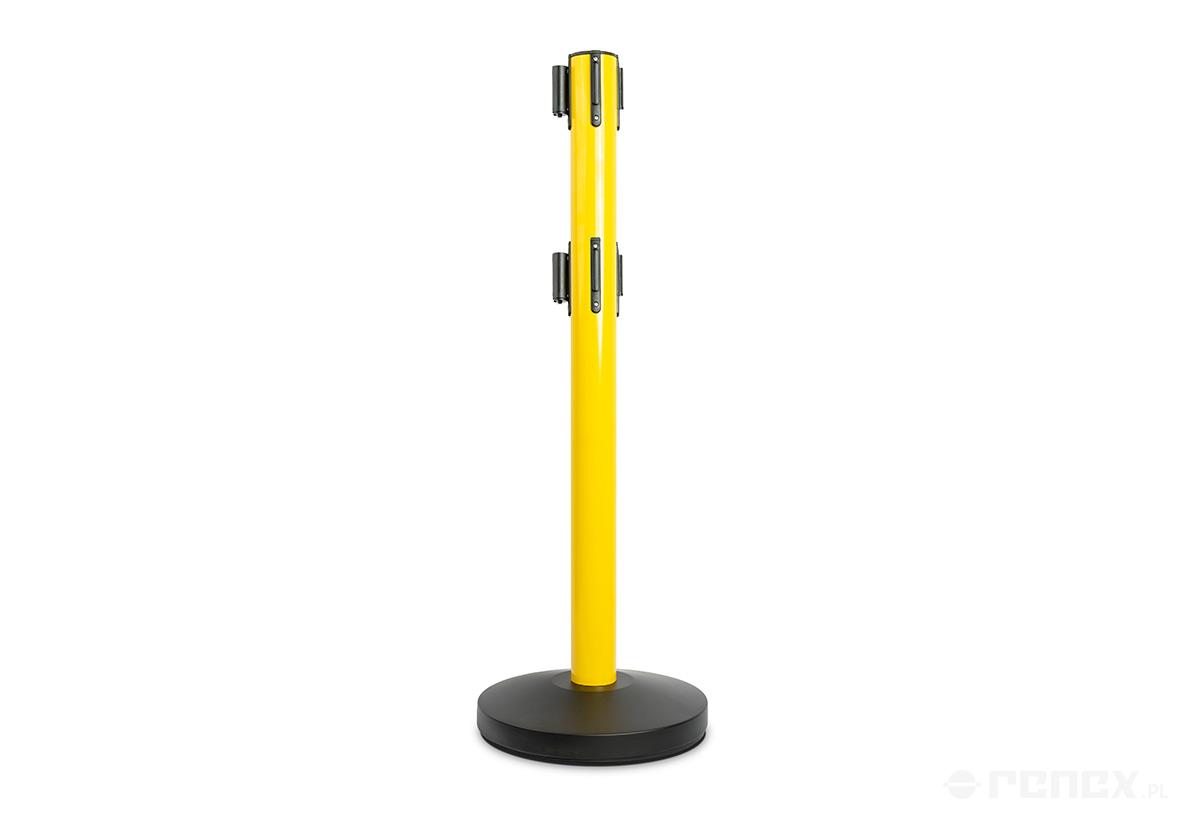
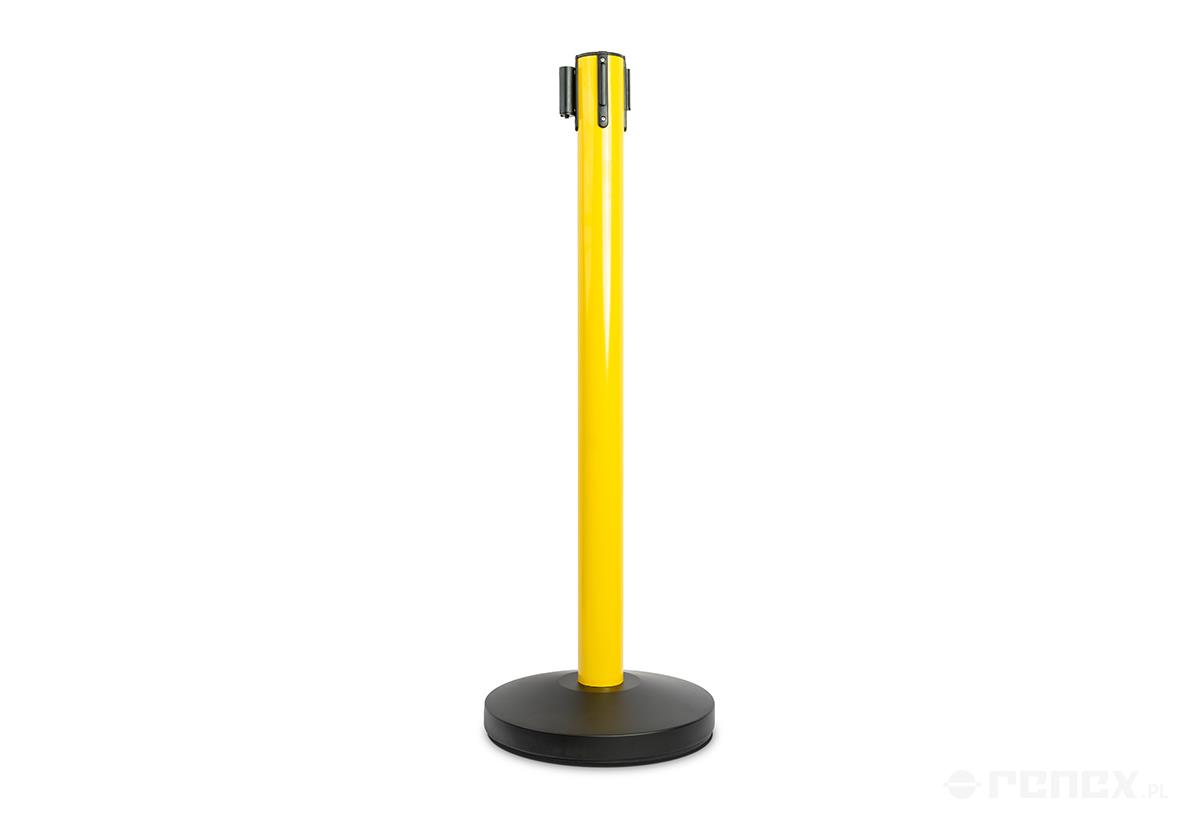
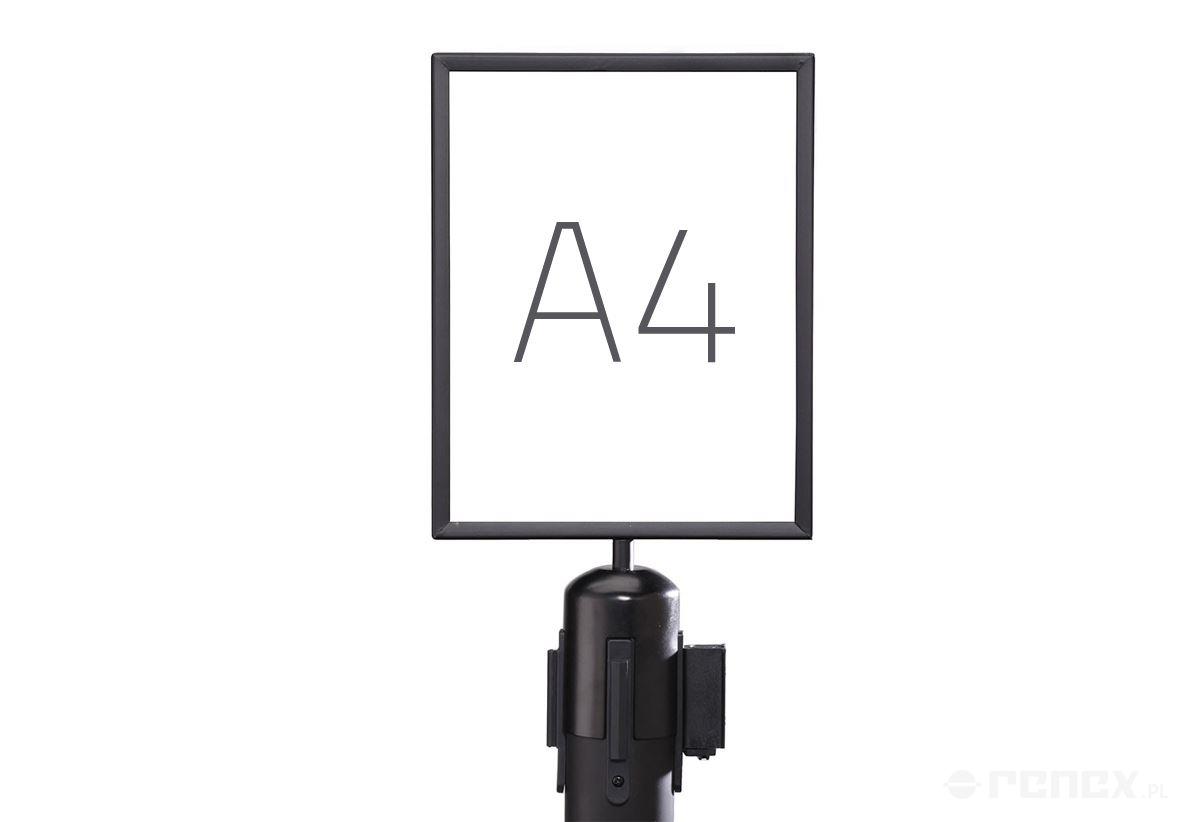
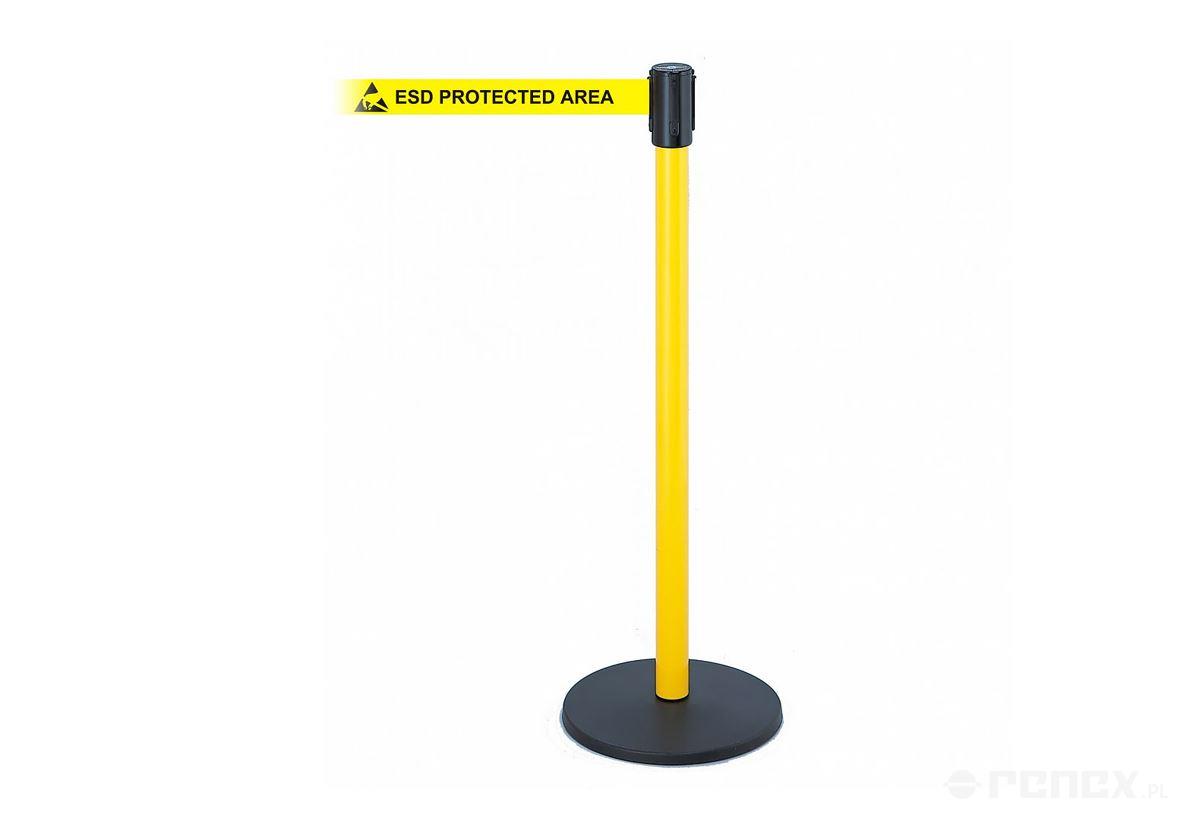
Above all, it should be remembered that every object, person and material is a potential source of electrostatic discharge in the workplace. Removing unnecessary non-conductive materials, replacing insulative materials with dissipative or conductive ones, and grounding all conductors are essential steps. One of the simplest ways to maintain a safe antistatic area is to clearly define the most sensitive locations. Clear marking is the foundation for effective compliance with ESD procedures, and defining an EPA zone is most conveniently done using EPA posts, barriers and information signs for posts.
What is an EPA zone?
EPA (ESD Protected Area) is defined as a space in which there are no objects or activities that could cause damage to ESD-sensitive devices. The maximum permissible electrostatic field is 100 V/cm. An EPA zone is a designated area that is specially controlled and protected against hazardous electrostatic discharge.
An electrostatic protected area (EPA) must be identified as such in accordance with applicable procedures. Therefore, the use of appropriate awareness materials is essential for the safety of electrostatic-sensitive components. Products with graphic elements, such as tapes, signs and labels, are recommended for use within the EPA, on packaging and at all entry points to help increase ESD awareness and define EPA boundaries. In this article, we discuss three categories of ESD awareness products used to correctly identify and mark EPA boundaries.
Marking an EPA zone
The first product category we will discuss is ESD signs, the basic solution for EPA identification. According to the relevant guidelines for ESD / EPA boundaries (61340-5-1), personnel must be able to see signs marking the protected area in accordance with 61340-5-1 before entering or leaving the electrostatic protected area (EPA). Wherever possible, ESD-compliant signs should also be visible to all employees within the EPA, especially where there are multiple workstations. It may also be beneficial to place an ESD sign above each operator workstation in order to maintain awareness at all times.
In areas where ESD-sensitive components are handled, ESD signs should be used so that everyone is reminded of the correct procedures within the EPA. Depending on the EPA processes and facility layout, additional dedicated signs may be required for safety reasons, for example in high-voltage areas.
In general, there is a wide range of ESD workstation signage available in many shapes, sizes and colours, from awareness signs to caution signs. For some companies, a custom ESD sign is also often required for specific applications.