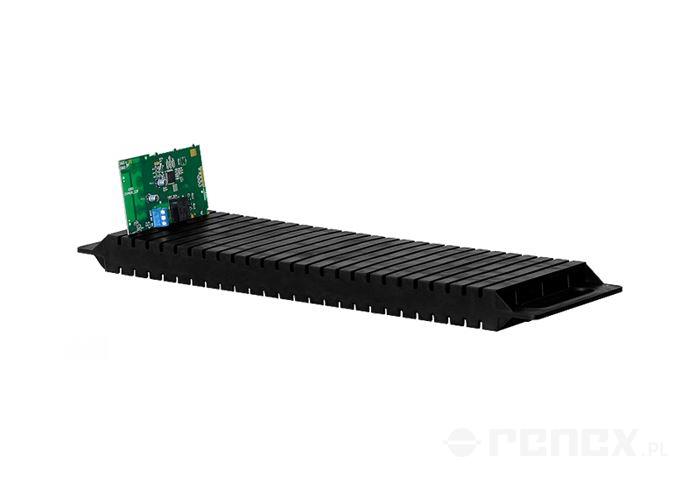
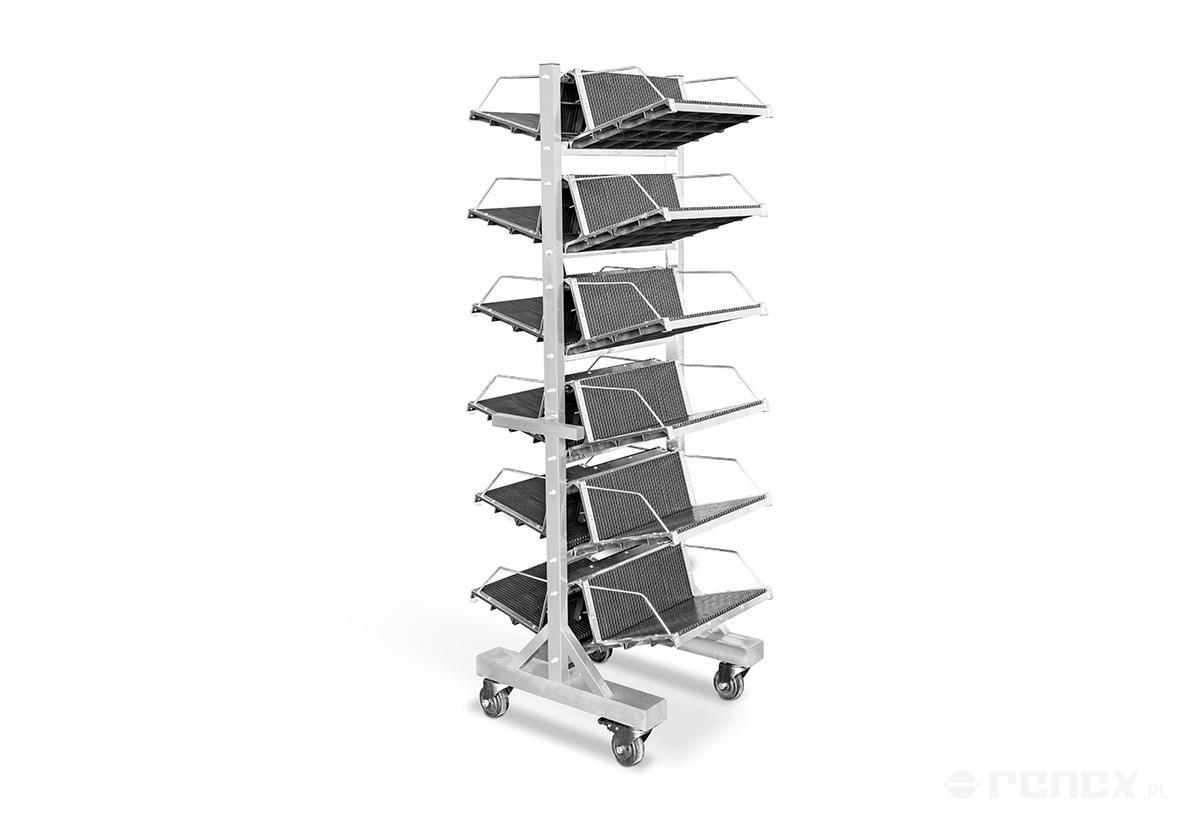
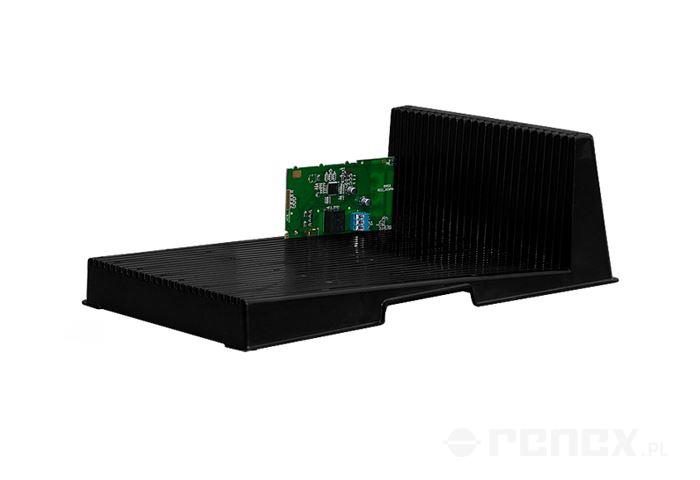
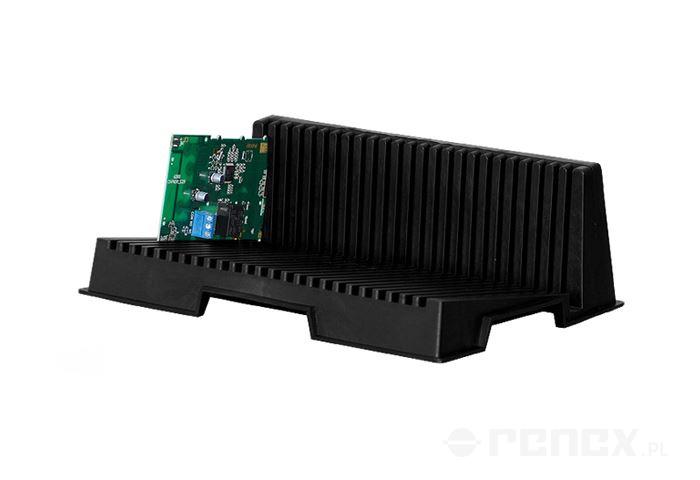
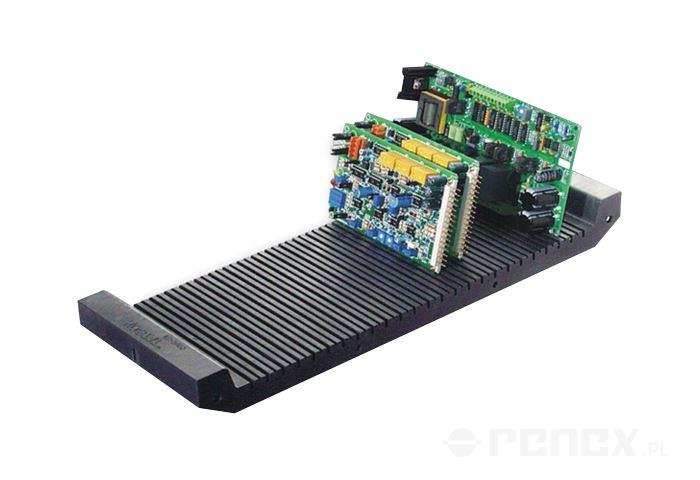
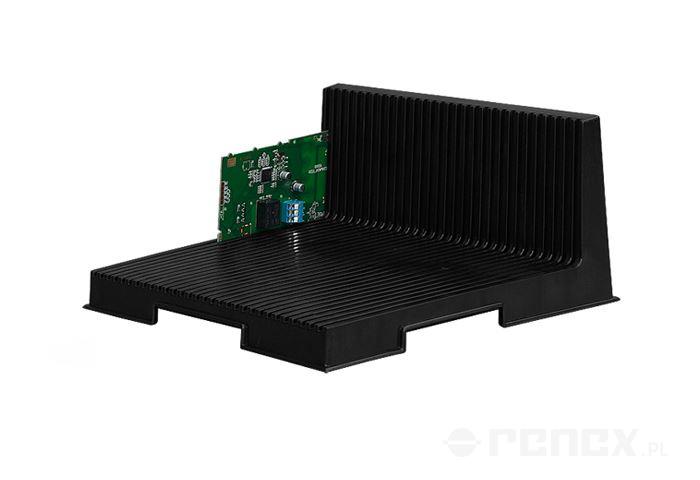
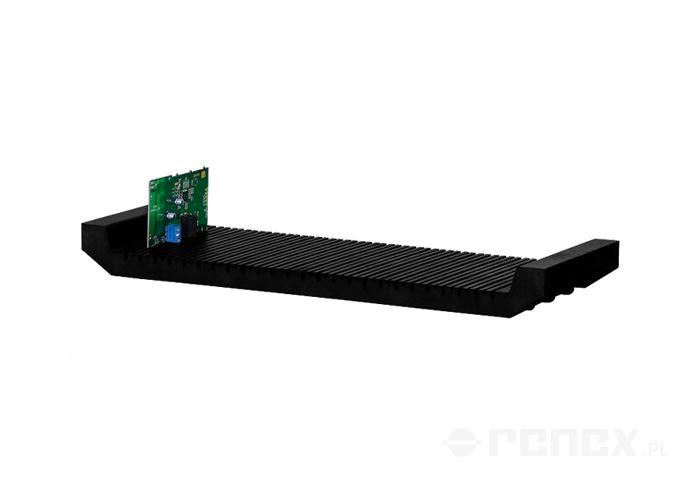
Conductive racks for printed circuit boards (PCBs) are used to handle and support PCBs during the manufacturing process. They can be used for draining or drying PCBs after preparation, as well as for storing and transporting partially or fully assembled boards. In principle, conductive PCB board racks are specially manufactured with carbon-loaded properties to provide full ESD protection for sensitive electronic components such as printed circuit boards. These conductive racks provide a conductive path to ground, which makes them suitable for use in statically controlled areas. In short, they are a highly convenient solution for storing and shipping printed circuit boards in assembly areas where static control is required.
To understand why it is worth using PCB racks, it is first necessary to understand what a printed circuit board (PCB) actually is. Simply put, a printed circuit board is used to mechanically support and electrically connect electronic components by means of conductive tracks or signal traces etched from copper sheets laminated onto a non-conductive substrate. Printed circuit boards (PCBs) are best stored in a conductive PCB rack to protect them against static charges.
Static charge poses a serious risk to ESD-sensitive components such as printed circuit boards. If a static charge were to dissipate and transfer to a static-sensitive component, it could cause catastrophic damage to the electronic component.
This, in turn, may lead to a latent defect. A latent defect is difficult to identify because the device with the damaged component may be partially degraded and still continue to perform its intended functions. However, the operational life of the device may be significantly shortened. The problem may only become visible when the device suddenly stops working. Ultimately, a latent defect may lead to failure. People who regularly work with electrostatic-sensitive devices or components should use antistatic products in an ESD-controlled environment.
Take a PCB rack as an example. People working with printed circuit boards should use a conductive PCB rack for their storage or transport. This will ensure protection against electrostatic discharge, provided that other ESD protection measures are also used, such as ESD-safe wrist straps and antistatic furniture. Using a PCB rack made of ordinary insulating materials such as plastic may potentially damage printed circuit boards and expose them to the risk of static damage.