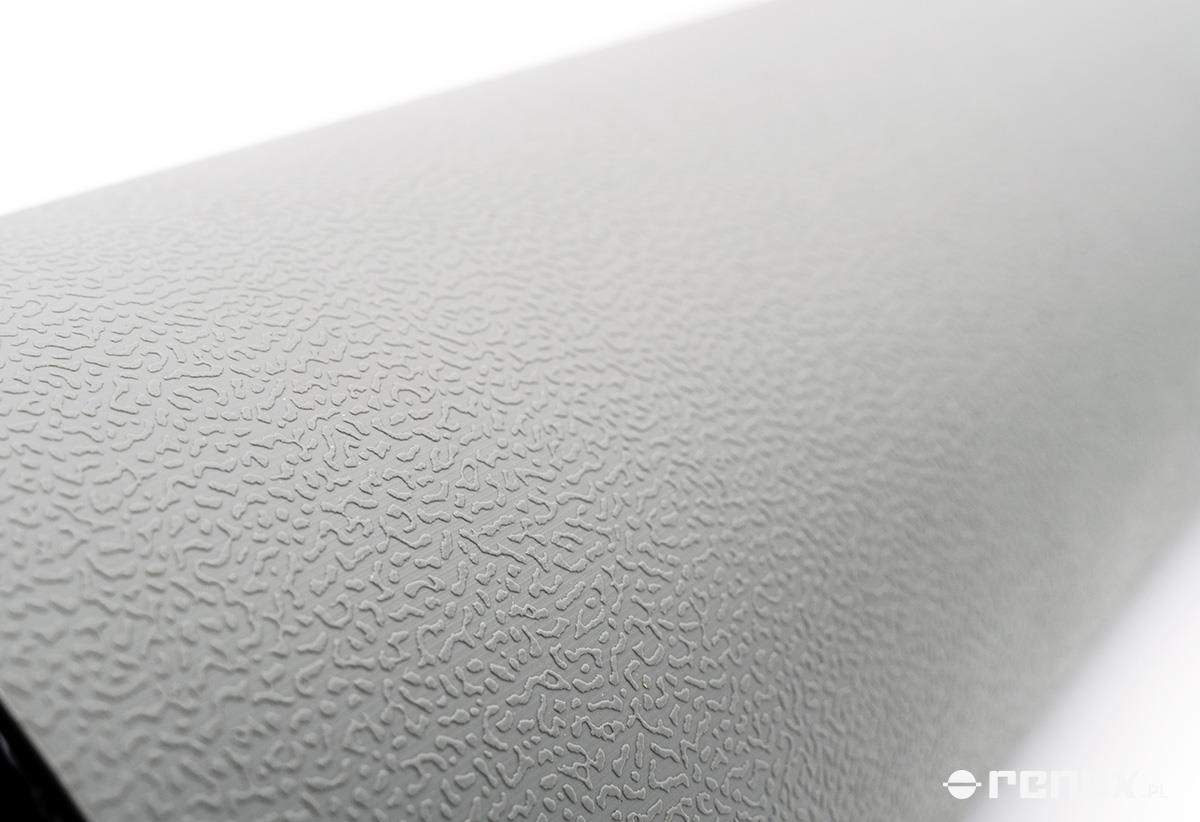
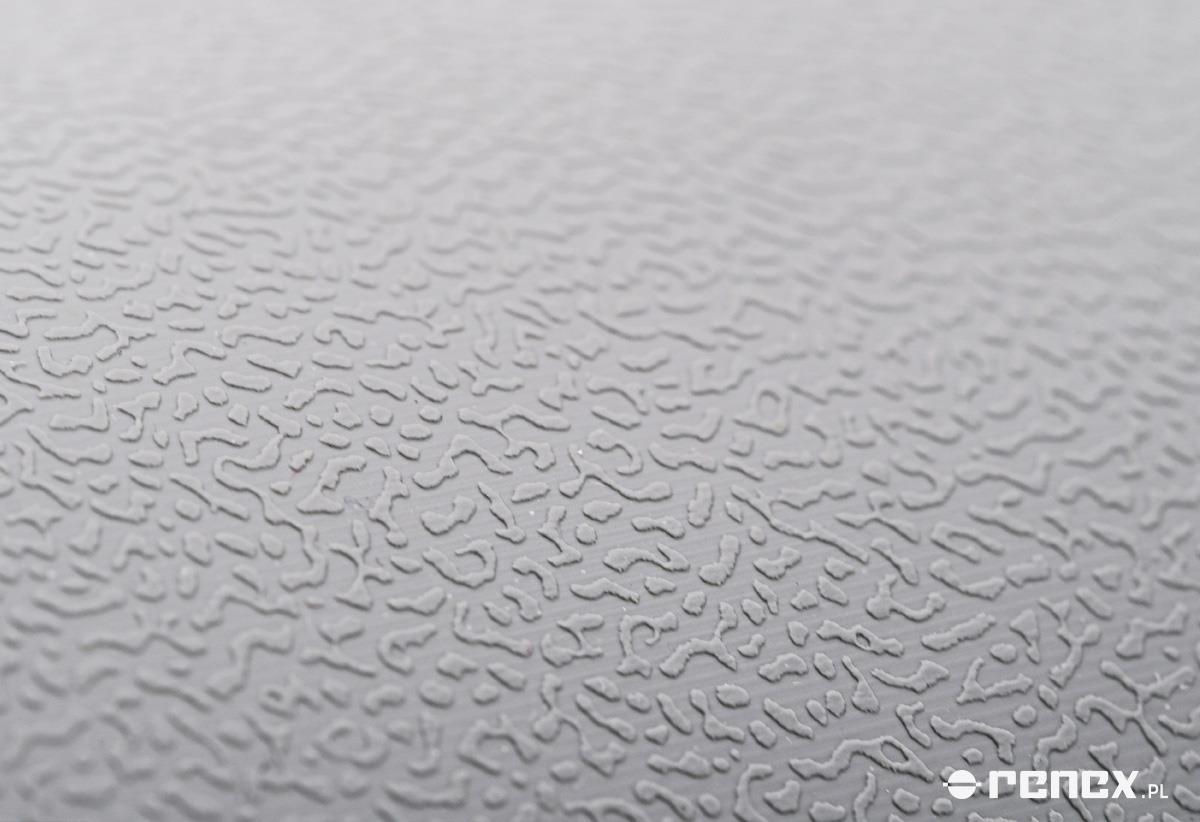
We offer durable ESD antistatic mats tailored to a wide range of applications. Our range includes ESD floor runners, anti-fatigue mats, ESD table mats and complete ESD table mat sets. These antistatic mats are highly resistant to temperature, mechanical damage, and various oils and liquids. We offer both versions supplied with accessories and standalone mat options.
Which ESD mat should you choose?
We are pleased to present the extensive range available in our store, which includes a wide selection of antistatic protection products such as antistatic mats.
Blue antistatic mats as complete sets (various size options)
Blue antistatic mats (various dimensions)
Grey antistatic mats (available as sets or by the running metre)
Green antistatic mats (various dimensions)
Two-layer ESD anti-fatigue mats
Antistatic floor runners
Single-layer or double-layer conductive runners (various dimensions)
Why is it worth using an antistatic mat?
An antistatic mat is a work surface designed to maintain the highest level of safety by enabling grounding and dissipating hazardous electrostatic charges. Antistatic mats provide effective protection against mechanical damage, spilled liquids and oils, while also helping protect against temperature-related damage. ESD table mats protect workstation surfaces and the sensitive devices placed on them. Above all, they support cleanliness and professional workstation organization.
How to choose a mat for electronics?
ESD mats are used to protect against hazardous electrostatic discharge (ESD), which must be controlled in order to avoid unnecessary costs related to damage to sensitive electrical components, reduced quality and, most importantly, customer dissatisfaction.
A mat for electronics should stand out primarily for its build quality and the effectiveness of its protection against hazardous electrostatic discharge. Electronics are highly sensitive to changes caused by this natural physical phenomenon, defined as the transfer of charge between objects with different electrical potentials. It can most often be observed when two materials rub against each other. Antistatic mats used on worktops are available in standard ready-made sizes or cut from rolls by the running metre.
Grounded ESD mat
A grounded ESD mat can be used both on the floor, where it supports personal grounding from heel straps and, for example, ESD chairs, and on the workbench, where it dissipates charges generated on the workstation surface. An antistatic mat may also offer anti-fatigue properties, which improves workplace ergonomics; such products are referred to as “ESD anti-fatigue mats”. These mats are connected to ground or to an EBP (Earth Bonding Point) via copper grounding cords. It is important to ensure that the workstation is properly grounded, as it has been shown that operators are responsible for as much as 70% of electrostatic charge generation at the workstation.
What is an antistatic mat?
An ESD mat protects against electrostatic discharge by neutralising electric charge accumulated on its surface. Static electricity is everywhere, especially in winter when the air becomes drier. In many facilities, people are one of the main generators of static electricity. The simple act of walking, or even sitting on certain types of stools, can generate several thousand volts on the human body.
The build-up of static charge usually goes unnoticed until it is discharged, which is referred to as electrostatic discharge (ESD). If the discharge can be felt, it is probably above 2,000 volts. If it can be heard, it may be between 3,000 and 5,000 volts. And if a blue spark appears, the discharge was most likely greater than 10,000 volts. If not properly controlled, the accumulation of electrostatic charge can cause invisible damage to the products or equipment handled by the operator.
There are many ESD products that help reduce or eliminate the accumulation of electrostatic charge on furniture, equipment, footwear and floors. Among this wide range of solutions, many EPA coordinators consider an antistatic mat to be one of the most effective ways to prevent problems related to electrostatic discharge.