
ESD FOILS
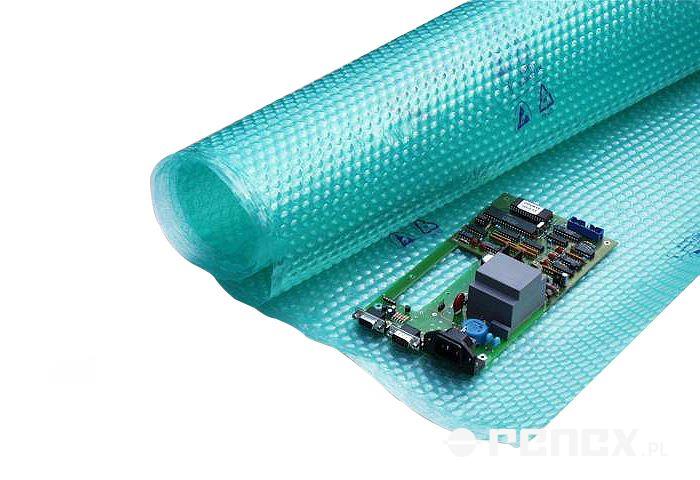
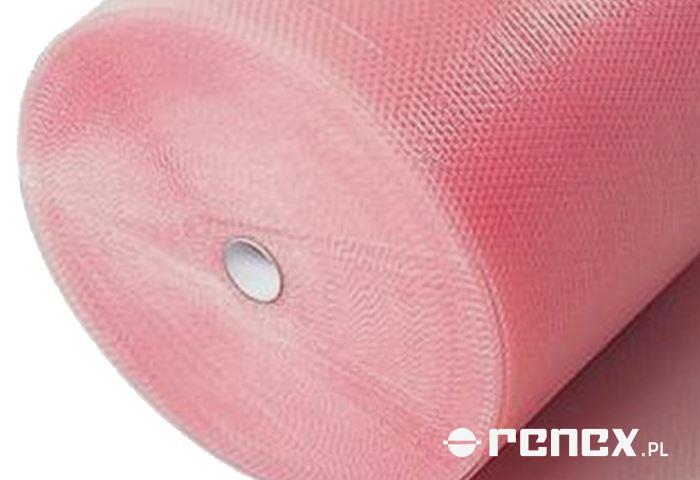
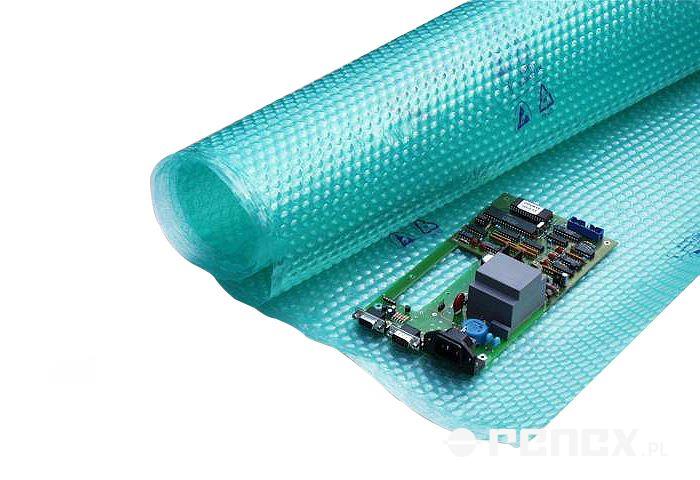
What is ESD foil?
Antistatic ESD foil refers to various types of foil with properties designed to protect against ESD (electrostatic discharge). What is ESD? It is a physical phenomenon that occurs naturally and is defined as the transfer of charges between objects with different electrical potentials. It is most commonly observed when two different materials rub against each other.
ESD foils in our range:
- antistatic bubble wrap on a roll (available sizes: 1 x 200 m and 0.5 x 200 m)
- two-layer dissipative bubble wrap (1.2 x 100 lm)
- ESD dissipative sheets (900 mm x 700 mm)
The typical surface resistance of our antistatic ESD foil is Rs = 10^9 - 10^11 Ohm, with a charge decay time from 1000 V to 100 V of 2 seconds. Our ESD foils are made from electrostatic dissipative polyethylene foil, and the amine-free material allows for recycling.
Which ESD bubble wrap is best?
ESD bubble wrap consists of layers of durable foil with bubbles, small air-filled spaces, between them. These bubbles are responsible for protecting items and act like small cushions, helping prevent damage caused by drops, impacts, or shocks. The best ESD bubble wrap is the one that meets the strict requirements of the most demanding users while remaining versatile in use. Every antistatic foil in our range is an excellent choice, as the right selection ultimately depends on the individual needs of each customer.
Why is it worth using ESD foil?
ESD foil provides excellent protection for the contents packed inside it and additionally helps reduce the effects of electrostatic discharge. Thanks to this added protection against electrical discharge, ESD foil is particularly worth using for safeguarding highly sensitive items, especially electronic equipment and electronic components. Antistatic ESD foil also offers a number of universal advantages, such as:
- as the name suggests, it protects against hazardous electrostatic discharge
- it protects against damage caused by drops and scratches
- safe packaging
- protection against unfavourable storage and transport conditions
- availability of many foil types and sizes
- cost-effective purchase price
- high manufacturing quality
- the ability to cut ESD foil to the required size